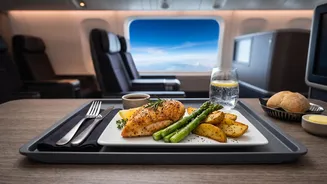







The rhythmic clatter of a train journey evokes romance and adventure. But for many, it also brings a familiar, unwelcome guest: motion sickness. This queasiness doesn't just spoil the view; it dramatically changes what we want to eat.
The Science of a Sick Stomach
Motion sickness,
or kinetosis, is essentially a case of sensory confusion. Your brain receives conflicting signals from your eyes, your inner ears (which manage balance), and your body's sense of position. On a train, your eyes might see the still interior of a carriage, while your inner ear feels the sway and judder of movement. This mismatch triggers an alert in the brain, which can lead to classic symptoms like dizziness, cold sweats, and nausea. One of the first casualties of this internal conflict is often your appetite. The feeling of wanting to vomit makes the thought of eating unpleasant, and this is a key reason why our food choices narrow so quickly.
How Vibrations Shake Up Digestion
The constant, low-frequency vibrations of a train also play a significant role. Studies on whole-body vibration have shown that it can directly affect the digestive system. Specifically, certain vibration frequencies can suppress the normal activity of stomach muscles, slowing down the rhythmic contractions that help process food. This gastric slowdown means your stomach empties more slowly, contributing to a feeling of fullness or discomfort. When your digestive system is already under this mechanical stress, it's less equipped to handle complex, heavy meals. Greasy, spicy, or very rich foods require more digestive effort, which can exacerbate feelings of nausea.
The Gut-Brain Distress Signal
The connection between our gut and brain is a powerful one, and it's central to understanding travel-related food choices. When motion sickness sets in, the brain doesn't just make you feel nauseous; it also releases stress hormones like cortisol. This stress response can further disrupt digestion. Your body, sensing that something is 'wrong,' enters a protective mode. Its priority shifts away from digestion and toward managing the perceived threat—the sensory conflict. This is why a loss of appetite is one of the earliest signs of motion sickness, sometimes appearing even before the nausea becomes intense. Your body is essentially telling you to stop eating until the disruptive motion ceases.
The Comfort and Safety of Plain Foods
This is where plain foods become the preferred option. Your body instinctively seeks out items that are easy to digest and less likely to cause further irritation. Starchy, low_fat foods like crackers, toast, plain rice, and bananas are ideal. They don't have strong smells, which can be a major trigger for nausea, and they require minimal effort from a stressed digestive system. These foods provide necessary calories without overloading a gut that's already working inefficiently due to vibrations and sensory conflict. Think of it as a subconscious strategy: your body is choosing the 'safest' fuel available until it feels stable again. Culturally, this is a common practice, with many societies turning to simple foods like rice porridge or broth during times of illness.
Smarter Snacking for a Smoother Ride
For travelers prone to motion sickness, being strategic about food can make a significant difference. It's often better to avoid traveling on a completely empty stomach, as hunger can sometimes worsen feelings of lightheadedness. Instead, opt for small, frequent snacks of bland, low_fat protein and complex carbohydrates. A hard_boiled egg, plain crackers, pretzels, or a banana are excellent choices. Staying hydrated by sipping water is also crucial, but it's wise to avoid alcohol, caffeine, and very sugary or acidic drinks, which can irritate the stomach. Some people also find relief with ginger, which has been shown to calm nausea.