



The Challenge of the 'Beige' Stereotype
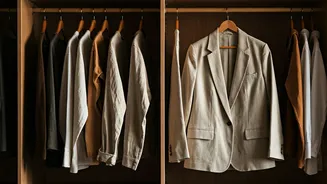
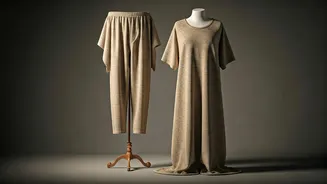
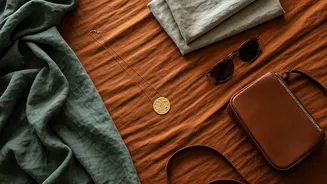
For years, sustainable fashion was unfairly typecast. The image was one of muted, earthy tones, shapeless silhouettes, and fabrics that prioritised ethics over aesthetics. This stereotype wasn't entirely unfounded. Early eco-friendly options often relied
on undyed materials or natural dyes with a limited palette, resulting in a sea of beige, cream, and brown. The movement's primary focus was, rightly, on reducing the massive water consumption, pollution, and chemical usage associated with conventional dyeing. The aesthetic appeal was a secondary concern, leaving many consumers feeling that choosing sustainability meant sacrificing personal style and the joy of a colourful wardrobe. This created a significant barrier, as shoppers often prioritise factors like colour, fit, and style when making purchasing decisions.
A Revolution in Sustainable Colour
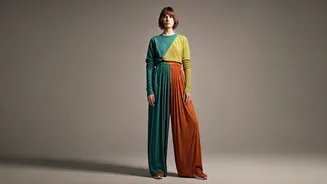
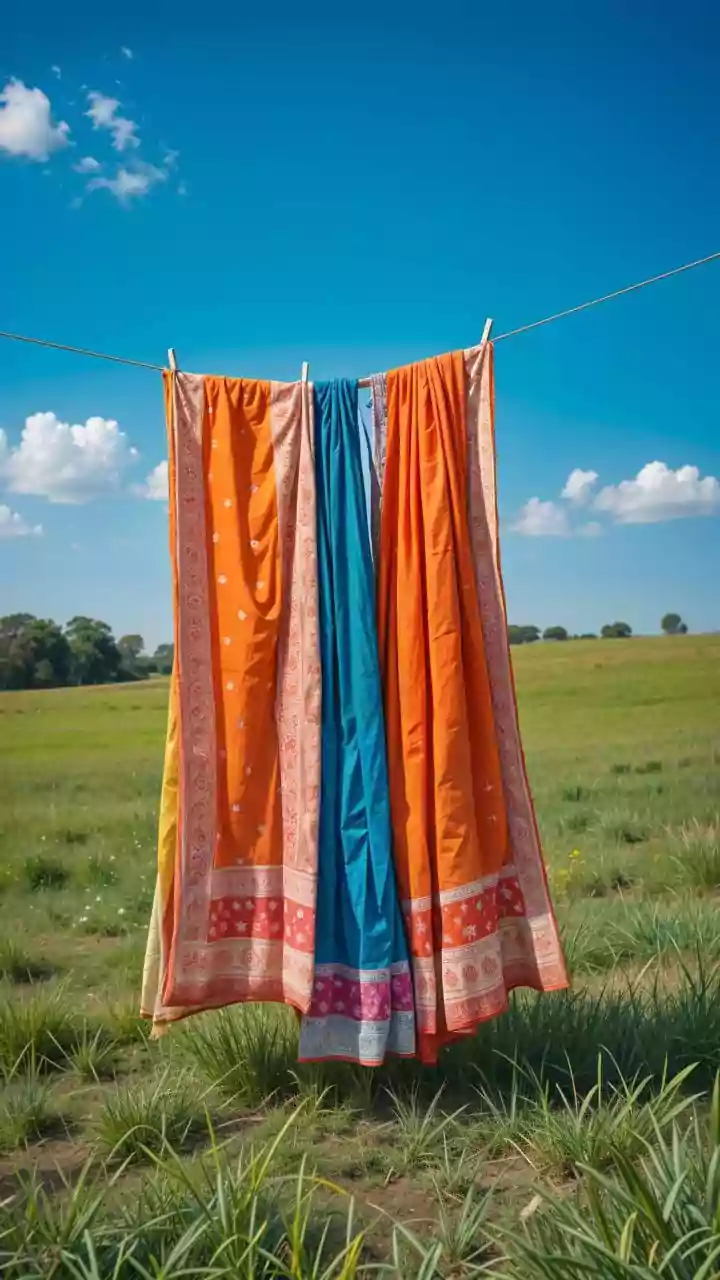
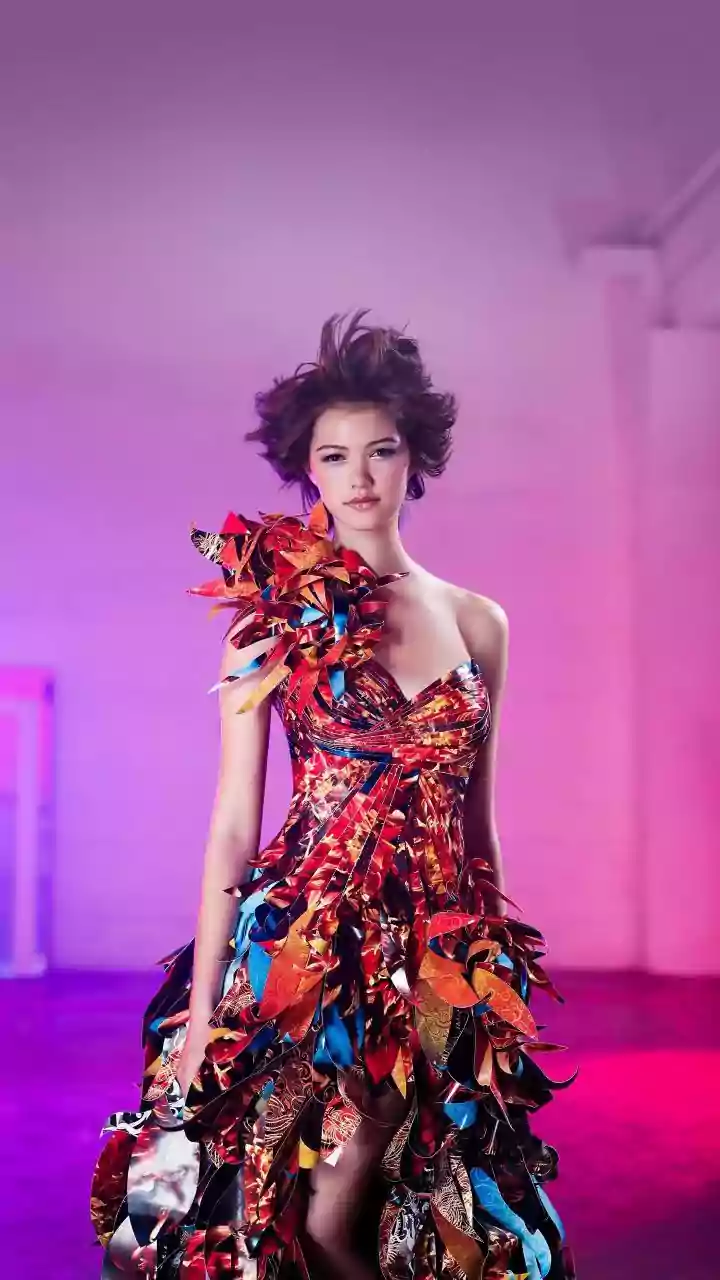
Fortunately, the world of eco-friendly textiles is becoming much more vibrant. A wave of innovation is transforming how sustainable fabrics are coloured, challenging the notion that eco-friendly means dull. Scientists and textile houses are developing groundbreaking techniques, from bio-based dyes created by microorganisms to advanced digital printing that uses minimal water. Some companies are even creating pigments from recycled clothing scraps, creating a truly circular colour system. Waterless dyeing technologies that use pressurised carbon dioxide or foam are also gaining traction, drastically cutting the massive water and energy usage of conventional dye houses. These advances mean brands can now offer a full spectrum of bold, lasting colours without the heavy environmental price tag, finally allowing sustainability and vibrant style to coexist.
Why Fit Is the Foundation of Forever Fashion
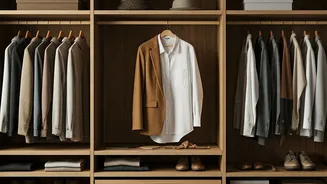
Colour may catch the eye, but fit is what makes a garment truly loved. A piece of clothing that drapes beautifully and flatters the body is one that will be worn time and again, which is the cornerstone of sustainable consumption. Poor fit is a major driver of fashion waste, with studies indicating it's a primary reason for the staggering number of e-commerce returns. Many of these returned items end up in landfills. Recognizing this, designers are now focusing on thoughtful construction and inclusive sizing as key pillars of sustainability. By creating versatile, well-crafted pieces designed to fit real bodies, brands encourage a "buy less, buy better" mentality. The goal is to create a stronger connection between the wearer and their clothes, moving away from the disposable nature of fast fashion and toward a wardrobe of cherished, long-lasting items.
Dressing for a Better World—And Feeling Great In It
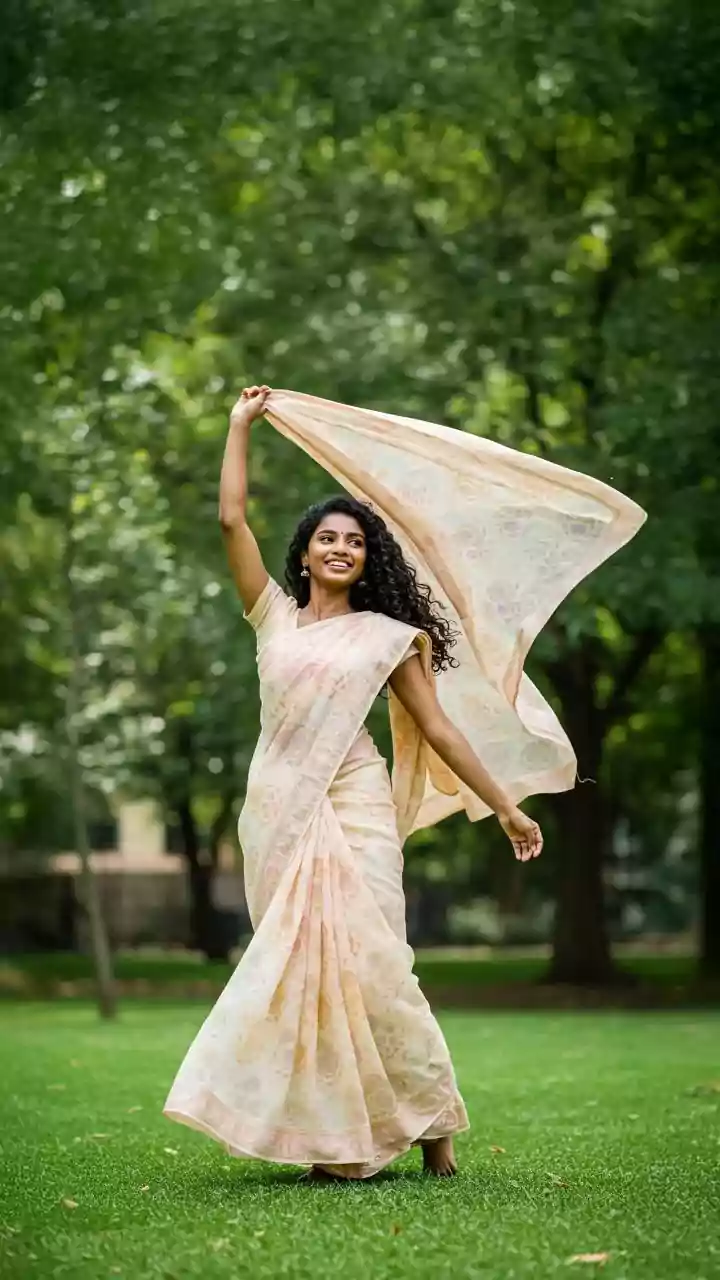
The final, and perhaps most crucial, element is confidence. Clothing is deeply personal; it's a form of self-expression that should make us feel good. When a garment features beautiful colour and an impeccable fit, it empowers the wearer. This emotional connection is what has been missing from much of the sustainable fashion conversation. For eco-conscious brands to truly succeed, they must tap into this desire. The most sustainable garment is one you love and wear for years, and that love affair starts with how it makes you feel. As consumers increasingly seek authenticity and a story behind their purchases, brands that deliver on both ethics and aesthetics are poised to lead the way. They prove that you don't have to choose between your values and your style.