



Why Quarantine Is Your First Line of Defence
Quarantining a new plant is the single most effective way to prevent pests like spider mites, mealybugs, and fungus gnats from invading your home. A plant that looks perfectly healthy at the nursery can harbour invisible eggs or a small, developing pest population.
Isolating the newcomer for a few weeks gives you time to spot and address any issues before they can spread to your established 'plant family'. It's a small investment of time that saves you from the major headache of a full-blown infestation later.
Set Up a Welcoming Isolation Zone
Your new plant's temporary home should be in a separate room from your other plants, if possible. Pests like spider mites can travel short distances, and fungus gnats can fly, so simply placing it on the other side of the room isn't enough. A guest bathroom, a laundry room with a window, or even a sheltered corner of your balcony can work perfectly. The key is separation. Ensure the spot still provides the appropriate light for your new plant; the goal is to observe it, not stress it out in a dark closet. A quarantine period of two to four weeks is ideal, as this window covers the life cycle of most common houseplant pests.
The All-Important Leaf and Stem Inspection
During quarantine, make a habit of inspecting your new plant every few days. Look closely at the leaves—both the tops and the undersides. Pay special attention to the nooks where leaves meet the stem, as this is a favourite hiding spot for pests. You're looking for signs like fine, silky webbing (spider mites), tiny white cottony tufts (mealybugs), or small green or black insects (aphids). Also, check for sticky residue, known as honeydew, which is a tell-tale sign of pests like aphids and scale insects. Brown or tan bumps that look like part of the stem could be scale insects. A small magnifying glass can be a huge help in spotting these tiny invaders early.
Get to the Root of the Problem: Soil and Pot Checks
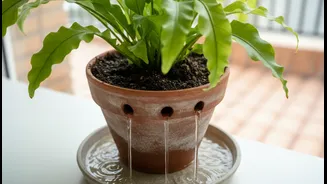
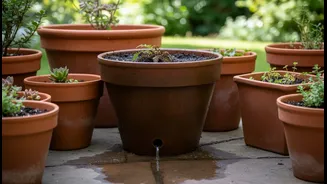
Pests don't just live on leaves; they can also hide in the soil. Look for tiny, mosquito-like flies buzzing around the soil surface, which are likely fungus gnats. Their larvae, which can damage roots, live in the top layer of moist soil. It’s also a good idea to gently slide the plant out of its nursery pot to inspect the roots. Healthy roots should be firm and whitish or light-coloured. If they are brown, soft, or mushy, the plant may have root rot, which is often caused by overwatering. While you're at it, check under the rim and in the drainage holes of the pot itself, as pests can hide there too.
A Proactive Clean and Treatment
Even if you don't see any pests, it's wise to give your new plant a gentle cleaning. You can rinse the leaves in your shower or with a gentle spray of water to knock off any unseen hitchhikers. Afterward, consider a preventative spray with a neem oil solution. Neem oil is a natural pesticide and fungicide native to the Indian subcontinent that works by disrupting pests' life cycles. Mix about one teaspoon of neem oil with a litre of water and a few drops of mild liquid soap, which helps the oil mix with the water. Spray all surfaces of the leaves and stems, and even the top of the soil. Always do a small patch test first and wait a day to ensure your plant tolerates it, and avoid spraying in direct sunlight, which can burn the leaves.