




Your Vehicle: The First Line of Defence
Before you even think about your playlist, give your car a thorough check-up. Your vehicle's condition is paramount for safety on wet roads. Start with the tyres; they are your only connection to the slippery tarmac. Ensure they have adequate tread depth
to provide good grip and prevent aquaplaning. Next, inspect your brakes, as braking distances increase significantly on wet surfaces. Your windscreen wipers are your best friend in a downpour, so replace them if they leave streaks. Finally, check all your lights—headlights, tail lights, and indicators. In heavy rain, visibility drops for everyone, and being seen is as important as seeing.
The Route: Charting a Safe Course
Spontaneity is fun, but not when it comes to monsoon routes. Hilly areas, while beautiful, are prone to landslides and roadblocks. Before you leave, check the weather forecast and local travel advisories from reliable sources. Pay attention to district-level alerts, not just broad state-wide predictions. Have a primary and a backup route planned. It is also wise to download offline maps, as mobile networks can be unreliable in remote areas. Let a family member or friend know your itinerary. On the road, resist the temptation to take unknown shortcuts, which might lead you to waterlogged or damaged roads. Sticking to national highways and well-travelled state roads is often the safest bet.
The Packing List: Monsoon Essentials
Packing for a monsoon trip requires a specific mindset. Prioritize quick-drying synthetic clothes over cotton and denim, which take forever to dry once damp. A sturdy, waterproof jacket or poncho is non-negotiable. Your choice of footwear can make or break your trip; opt for waterproof sandals with good grip or quick-dry sneakers instead of leather shoes or heavy boots. Protect your electronics and important documents like your license and vehicle papers by storing them in zip-lock or waterproof pouches. It’s also smart to pack a waterproof cover for your backpack.
The Emergency Kit: Hope for the Best, Prepare for the Worst
An emergency kit is crucial, especially when you might be stranded due to a road closure. Your kit should include a powerful torch with extra batteries, a fully charged power bank, and a basic first-aid kit with essentials like antiseptic, bandages, and common medicines for fever, pain, and indigestion. Pack some non-perishable, high-energy snacks like protein bars and nuts, along with sufficient drinking water. A tow rope and jumper cables are also good to have in your car's toolkit, just in case.
On-Road Smarts: Driving in the Rain
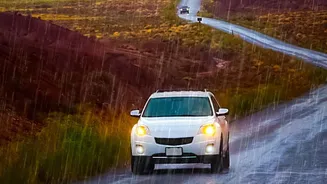
Once you're on your way, adjust your driving style to the conditions. Reduce your speed and maintain a greater distance from the vehicle in front of you. This gives you more time to react and compensates for longer braking distances on wet roads. Use your low-beam headlights even during the day to improve your visibility to other drivers. High beams can reflect off the rain and impair the vision of oncoming traffic. Be extremely cautious of waterlogged roads. It's impossible to know their depth or what hazards lie underneath. If you encounter a flooded street, it is always safer to find an alternative route.