






The Lifeline Under Strain
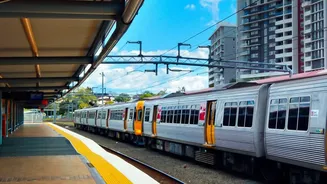
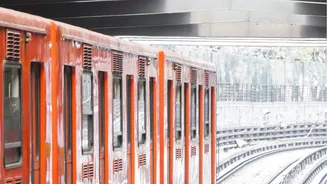
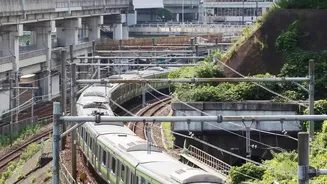
Mumbai's suburban railway is the undisputed lifeline of the metropolitan region, carrying over six million people every single day. It's a marvel of mass transit, but also a system under immense, constant pressure. For decades, passenger locals, long-distance
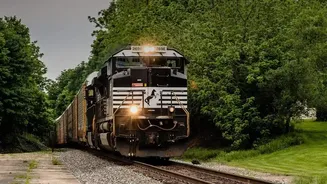
mail trains, and heavy freight services have all vied for space on the same limited tracks. This shared-track system is a primary cause of congestion, leading to frustrating delays for commuters and placing a hard ceiling on the number of local services that can be run, especially during peak hours. Freight trains, being slower and heavier, often hold up faster passenger services, creating a ripple effect of delays across the network.
A Game-Changer: The Dedicated Freight Corridor
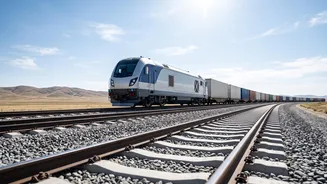
The solution is a multi-billion rupee infrastructure overhaul, chief among which is the Western Dedicated Freight Corridor (WDFC). This massive project, which became fully operational in September 2026, creates a separate, exclusive highway for goods trains. Stretching over 1,500 km from Dadri in Uttar Pradesh to the Jawaharlal Nehru Port (JNPT) in Navi Mumbai, the WDFC is an electrified, double-track route built to handle double-stack container trains running at higher speeds. Think of it as creating a new, parallel expressway exclusively for trucks, instantly freeing up the old highways for cars. The impact is revolutionary: freight trains that once crawled at 25 km/h on passenger lines can now hit speeds of up to 100 km/h on their own dedicated tracks.
How This Unlocks Suburban Capacity
By shifting freight traffic off the main lines, the WDFC liberates an immense amount of track capacity. With goods trains no longer in the way, railway authorities can finally address the core demand of commuters: more local trains. This segregation allows for a complete rescheduling and optimisation of the suburban timetable. The Indian Railways has already promised a significant increase in suburban services for Mumbai, with some estimates suggesting as many as 700 new services could be added over the next few years. This means more trains, reduced waiting times, and less crowding on platforms and inside coaches.
The Commuter's Payoff
For the average Mumbaikar, the benefits are tangible. The most immediate impact will be on punctuality. With fewer conflicts between freight and passenger services, local trains can maintain their schedules more reliably. Secondly, increased frequency means that the 'super dense crush load'—a term coined to describe 14-16 people crammed into a single square metre—could finally begin to ease. This capacity boost is being complemented by other upgrades under the Mumbai Urban Transport Project (MUTP), including the introduction of more 15-car rakes (which have a 25% higher capacity than 12-car ones) and hundreds of new air-conditioned local trains.
The Road Ahead
While the completion of the WDFC is a monumental milestone, it is part of a much larger, ongoing effort to modernize Mumbai's rail infrastructure. Projects under MUTP Phases 3 and 3A, with a combined investment of over ₹44,000 crore, include laying additional tracks on busy corridors like Virar-Dahanu and Kalyan-Badlapur, upgrading signalling systems, and building new station infrastructure. These efforts, executed by the Mumbai Railway Vikas Corporation (MRVC), are designed to future-proof the network for decades to come. Though challenges like land acquisition and environmental clearances persist for some projects, the strategic separation of freight and passenger traffic marks a pivotal turning point in the city's public transport narrative.