







A Monsoon Missing in Action
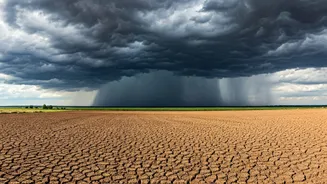
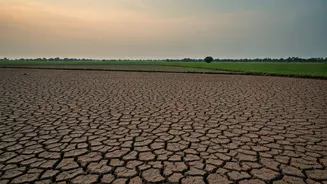
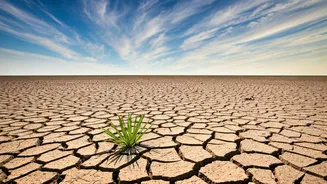
June 2026 has been one of the driest in over a century, with the country facing a significant rainfall deficit. According to the India Meteorological Department (IMD), cumulative rainfall by the end of June was about 40% below normal. This national average
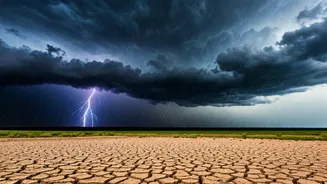
masks a more complex reality: stark regional disparities. Central India has been the worst hit, with a deficit of over 50%. States like Gujarat, Chhattisgarh, and Jharkhand have recorded alarming shortfalls, while even regions where the monsoon has arrived, like Kerala and Maharashtra, remain deficient. This erratic behaviour is being linked to a strengthening El Niño, a climatic pattern known for suppressing monsoon rainfall in India.
Sowing Season Under Stress
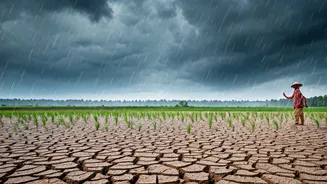
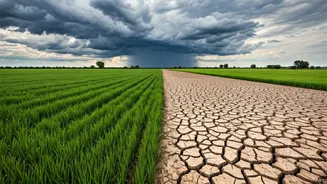
The timing and distribution of early monsoon rains are critical for India's farmers. June is the prime window for sowing kharif (monsoon) crops, which account for nearly half of the country's annual food grain production. Due to the delayed and deficient rains, sowing activity has been severely hampered. As of late June, data from the Ministry of Agriculture shows that overall kharif sowing is down by nearly 23% compared to the same period last year. This delay is a major concern because it can impact the entire agricultural cycle, from germination to harvest.
Which Staples Are Most at Risk?
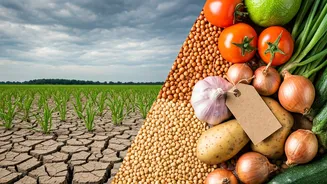
The impact of the weak monsoon is most visible in rain-fed crops. The sowing of pulses, a crucial source of protein for millions, has seen a significant decline, with acreage for crops like arhar (pigeon pea) falling sharply. Oilseeds, including soybean and groundnut, have also been badly affected, with their sown area plunging by over 50% in some reports. Rice, the main kharif cereal, has also seen a substantial drop in planting. Even cotton has experienced a major contraction in acreage. While reservoir levels are reportedly above the ten-year average, offering some cushion for irrigated areas, the vast rain-fed farmlands that produce many of these staples remain highly vulnerable.
The Ripple Effect on Your Wallet
A shortfall in agricultural production inevitably translates to pressure on food prices. Economists and market analysts are now closely watching for signs of rising food inflation. Reduced output tightens the supply of essential commodities, and this scarcity can lead to price hikes in the market. Vegetables, pulses, and edible oils are often the first to feel the impact. While India maintains buffer stocks of key grains like wheat and rice, the prices of many other daily staples are highly sensitive to the monsoon's performance. A sustained period of poor rainfall could strain household budgets that are already navigating post-pandemic economic realities.
Government and Farmers on High Alert
The situation has put both farmers and policymakers on high alert. The government has activated contingency plans for hundreds of districts identified as vulnerable to deficient rainfall. These plans include promoting the use of short-duration and drought-resistant crop varieties and encouraging water conservation measures. Farmers have been advised to delay sowing until sufficient cumulative rainfall is received to ensure proper seed germination and avoid the need for re-sowing. The coming weeks of July are absolutely critical. A significant revival of the monsoon across the country could still salvage the kharif season, but a continued deficit will intensify the challenges for the agricultural sector and the wider economy.