






The Trouble with the Cereal Box
Many Western breakfast cereals, despite their healthy marketing claims, are highly processed products. The grains are often refined, stripping them of essential fibre and nutrients like B-vitamins and magnesium. What's left is often loaded with added
sugar, which can be the second or third ingredient on the list. This high sugar content leads to a rapid spike in blood sugar, followed by a 'crash' a few hours later, leaving you feeling sluggish and craving more sugar. This cycle can contribute to long-term health issues. While manufacturers fortify cereals with vitamins and minerals, these additions often don't make up for the high levels of sugar and refined carbohydrates.
Sustained Energy from Complex Carbs
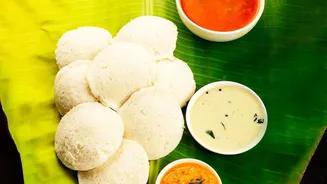
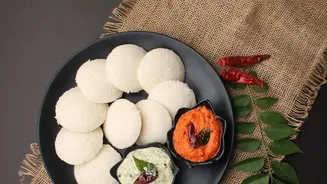
In contrast, traditional Indian breakfasts like poha, upma, and idli are built on a foundation of whole or minimally processed ingredients. Poha (flattened rice) and upma (roasted semolina) are rich in complex carbohydrates, which the body digests more slowly. This ensures a steady and sustained release of energy throughout the morning, preventing the energy slumps associated with sugary cereals. Poha is also light on the stomach, easy to digest, and naturally gluten-free. These meals provide the fuel your brain and body need to function optimally without the empty calories.
A Symphony of Balanced Nutrients
A key advantage of Indian breakfasts is their balanced nutritional profile. Dishes are rarely just a single ingredient. Poha is often cooked with peanuts, onions, and vegetables, adding protein, healthy fats, and vitamins. Idli and dosa are made from a fermented batter of rice and lentils, creating a complete protein through the combination of cereal and pulse. This fermentation process also enhances the bioavailability of nutrients and introduces probiotics, which are beneficial for gut health. This is a stark contrast to a bowl of cereal, which is often just carbohydrates and sugar with milk added.
The Wisdom of Spices and Fermentation
Ayurveda, the ancient Indian system of medicine, emphasizes warm, cooked, and lightly spiced food to gently awaken the digestive system (agni) in the morning. Traditional breakfasts align perfectly with this principle. The use of spices like turmeric, mustard seeds, and curry leaves in dishes like poha and upma not only adds flavour but also offers anti-inflammatory and antioxidant properties. As mentioned, the fermentation used for idli and dosa batter makes the food easier to digest and supports a healthy gut microbiome, which is increasingly linked to overall immunity and well-being.
Mindful Preparation Over Instant Fixes
Beyond the plate, there's a cultural difference. The act of preparing a fresh breakfast, even a quick one like poha, involves a level of mindfulness and connection to food that is absent when pouring it from a box. These recipes are products of centuries of culinary evolution, designed to be nourishing, affordable, and suited to the local climate and palate. They represent a holistic approach to nutrition that considers not just macronutrients, but also digestibility, seasonality, and the synergistic effect of whole foods. While not all Indian breakfasts are nutritionally perfect—deep-fried items can be heavy—the core philosophy offers a powerful alternative to the modern reliance on processed convenience.