






The Monsoon Craving Conundrum
As the skies open up and provide a much-needed respite from the summer heat, a familiar urge takes over: the craving for something hot, spicy, and savoury. For many, this translates to street-side favourites like bhajis, samosas, and chaat. These foods
are deeply woven into the cultural fabric of the Indian monsoon, offering comfort and nostalgia with every bite. The combination of cool, rainy weather and a piping hot snack is a simple pleasure that defines the season for millions. However, this indulgence comes with a hidden cost, as the very conditions that make the monsoon magical also create a perfect storm for foodborne illnesses.
Why Street Food Is a Gamble
During the monsoon, the risk associated with street food increases dramatically. The high humidity and moisture in the air create an ideal breeding ground for bacteria, viruses, and fungi. Street food, often prepared in open-air settings, is highly susceptible to contamination. Water used for cooking, washing ingredients, or preparing chutneys might be contaminated, a major source of diseases like typhoid, cholera, and hepatitis A. Pre-cut fruits and vegetables, and uncovered sauces are particularly hazardous. Flies and other pests, more prevalent in the damp conditions, can easily transfer pathogens to exposed food. Even deep-fried items are not entirely safe; the oil may be reused multiple times, and if the food is left sitting out, it can quickly become contaminated after cooking.
The Immunity Dip Factor
The monsoon season is also a time when the body's natural defences can be compromised. Fluctuating temperatures and high humidity can make us more vulnerable to infections like the common cold and flu. This is why consuming unhygienic food is especially dangerous; your body may be less equipped to fight off the ingested pathogens. This leads to a higher incidence of gastrointestinal issues, from food poisoning to more severe infections. Children, pregnant women, and the elderly are at an even greater risk due to their comparatively weaker immune systems.
Your Kitchen: A Safe Haven
The most effective way to stay healthy while still enjoying delicious food is to make your kitchen the heart of your monsoon culinary adventures. At home, you have complete control over hygiene and ingredients. You can ensure that all vegetables and fruits are washed thoroughly with clean water, a critical step advised by food safety authorities. You decide the quality of the oil and water used, and you can guarantee that food is cooked and served fresh. The Food Safety and Standards Authority of India (FSSAI) emphasizes eating freshly cooked food and promptly refrigerating leftovers to prevent microbial growth. This simple shift from street to home provides a powerful defence against a host of monsoon-related illnesses.
Recreate Cravings the Healthy Way
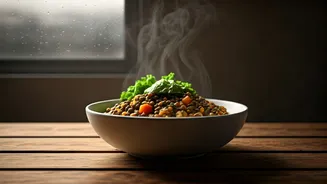
Giving up street food doesn't mean giving up on your favourite snacks. Most monsoon classics can be easily and healthily recreated at home. Instead of deep-frying pakoras, try baking them or using an air fryer to achieve a similar crunch with significantly less oil. You can pack these homemade pakoras with nutritious additions like spinach or mixed vegetables. Craving chaat? Make a cooked sprout chaat instead of using raw ingredients. For samosas, consider a filling of moong dal or raw banana and bake them instead of frying. Steamed snacks like dhokla are also an excellent, light, and safe option. These homemade versions not only reduce health risks but also allow for healthier customisation.
Embrace Immunity-Boosting Foods
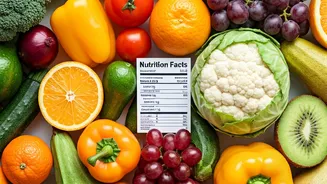
Strengthen your body from within by incorporating immunity-boosting foods into your diet. Spices like turmeric, ginger, garlic, and cumin, all staples in Indian kitchens, have well-known properties that help fight infections. Start your day with a ginger-tulsi tea or end it with a comforting cup of turmeric milk (haldi doodh). Focus on seasonal vegetables and fruits like bitter gourd, bottle gourd, jamun, and pears, ensuring they are washed well. A warm, nourishing soup made with seasonal vegetables is both comforting on a rainy day and excellent for your health. Probiotic-rich foods like homemade yogurt can also support gut health, which is a cornerstone of a strong immune system.