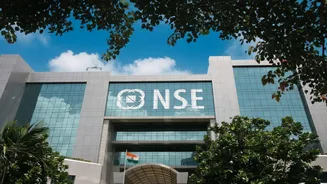










A Nearly Decade-Long Delay
The journey for India's largest stock exchange to go public has been a long and complicated one. The NSE first filed its Draft Red Herring Prospectus (DRHP) back in December 2016. However, the plan was quickly derailed by a major regulatory scandal known
as the co-location case. Investigators found that certain brokers were allegedly given preferential access to NSE's servers between 2010 and 2014, allowing them to get market data milliseconds ahead of others. In the world of high-frequency trading, this was a significant unfair advantage. The Securities and Exchange Board of India (SEBI) launched a probe, and the uncertainty and governance concerns were enough for the regulator to put the IPO on hold indefinitely. What followed was a multi-year grind through investigations, penalties, and legal battles that reached the Supreme Court, keeping the much-anticipated IPO in limbo.
What Has Changed Now?
The primary reason for the renewed optimism is significant progress on the regulatory front. In June 2026, the NSE filed a new DRHP, formally restarting the process. This was made possible by key developments, including receiving a no-objection certificate from SEBI earlier in the year and its board approving the IPO proposal in February. Most critically, the long-standing co-location issue appears to be heading towards a resolution. SEBI's chairman recently stated that the regulator has internally approved a proposed settlement from NSE, a clear signal that a major roadblock is being removed. While the settlement process is not yet formally complete, this nod from the regulator has cleared the path for the exchange to move forward with its listing plans.
Why This IPO is a Landmark Event
The NSE IPO is set to be one of the biggest in Indian corporate history. Reports suggest the exchange is targeting an issue size of around ₹30,000 crore, which could value the company at over ₹5 lakh crore. If successful, it would surpass the record set by Hyundai Motor India's public offering in 2024. The offering will be structured entirely as an Offer for Sale (OFS), meaning existing shareholders will sell their stakes and the company itself will not raise fresh capital. For investors, this is a unique opportunity to own a piece of the foundational infrastructure of India's capital markets. The NSE holds a dominant position, handling the vast majority of trading in cash equities and derivatives in the country.
The Road Ahead: Hurdles and Timelines
With the DRHP filed, the ball is now in SEBI's court to review the document and provide its observations, a process that can take a few months. The NSE is reportedly targeting a launch in September 2026 and is preparing to start domestic and international roadshows to market the issue to institutional investors. While the co-location settlement is a major step, some legal matters remain pending and are disclosed in the IPO documents. The exchange has also highlighted operational risks, such as its heavy reliance on income from derivatives trading, which could be impacted by regulatory changes. Despite these factors, the momentum is clearly building for a listing before the end of the year.
What it Means for Investors
The IPO presents a chance for retail and institutional investors to invest directly in India's financial growth story. The exchange plans to reserve 35% of the offer for retail investors. Unlike many IPOs from new-age tech companies, NSE is a legacy institution with a track record of profitability and an almost monopolistic market position. However, its incredible dominance also raises questions about future growth, as there is limited room to gain more market share. The investment thesis rests on the continued financialisation of the Indian economy, which would lead to more participants and higher trading volumes, directly benefiting the exchange. The IPO will be listed on its rival exchange, the BSE, as per regulatory guidelines that prevent self-listing.