



The Counter Space Crisis
The fundamental challenge of cooking in a compact kitchen is not a lack of ambition, but a lack of surface area. Most recipes implicitly assume you have ample room to chop vegetables, rest a hot pan, and assemble a dish simultaneously. When you try to make
three dishes that all need to be finished in the 30 minutes before serving, you create a logistical nightmare. Every square inch of countertop becomes contested territory, burners are overcrowded, and the sink fills with prep bowls before you've even started the main event. This pressure cooker environment leads to stress and makes cooking feel like a chore rather than a creative joy. The solution is to stop fighting for space and instead manage time.
Embrace a Staggered Schedule
Staggered cooking is a strategy where you intentionally choose dishes that are completed at vastly different times. Instead of a frantic final rush, your cooking process is spread across an afternoon or even a couple of days. This isn't about everything being served lukewarm; it's about planning a menu where different components are designed to be ready at different intervals. One dish might be a slow-cooked main that bubbles away for hours, needing little attention. Another could be a room-temperature salad or a dessert made the day before. By rotating dishes through your limited workspace, you give yourself room to breathe and focus on one task at a time.
Master the Art of Make-Ahead
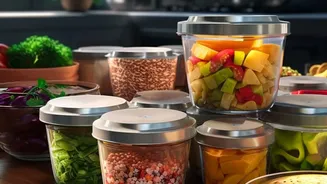
The easiest way to start staggering your cooking is by embracing dishes that are just as good—or even better—when made in advance. This category is your best friend in a small kitchen. Desserts like cheesecakes, trifles, or puddings almost always benefit from a night in the refrigerator to set. Dips, spreads, and many appetisers can be made a day or two ahead. Even components of a main meal, like sauces, dressings, and marinades, can be prepped well in advance. Chopping all your vegetables in the morning and storing them in containers can also transform your evening cooking experience from a flurry of prep work to a simple assembly job.
Use 'Hands-Off' Cooking Methods
Your stovetop and oven are prime real estate. To free them up, lean on appliances that do their work in the background. A slow cooker is the ultimate hero for small kitchens, allowing you to prepare a rich stew, pulled pork, or a hearty curry that can be kept warm until serving. This effectively removes one major dish from your active cooking roster. Similarly, a pressure cooker or a multi-cooker can handle grains, beans, or braised meats efficiently, freeing up a burner. Even using a microwave for steaming vegetables or a rice cooker can de-clutter your stove during those critical final minutes before dinner.
Putting It All Together: A Sample Menu
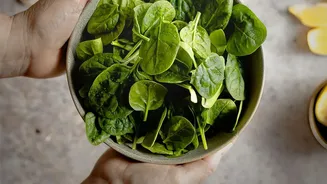
Imagine you want to serve a three-course meal. Instead of panicking, you could plan it like this: The dessert, a chocolate mousse, is made the day before. The main course, a beef stew, goes into the slow cooker around noon on the day of the dinner. An hour before guests arrive, you assemble a fresh green salad, for which the vinaigrette was already made. All your counter space is free. Just 15 minutes before you plan to eat, you cook a pot of rice or warm some crusty bread. When it's time to serve, the stew is ready, the salad is crisp, and the final carb element is perfectly hot. There's no juggling, no mess, and no stress—just a seamless, delicious meal.