








What is the 50/30/20 Rule?
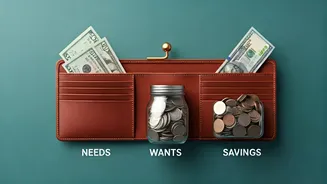
The 50/30/20 rule is a straightforward budgeting guideline that divides your after-tax income into three simple categories. The idea, popularized by US Senator Elizabeth Warren, is to allocate 50% of your money to your 'Needs,' 30% to your 'Wants,' and
the final 20% to your 'Savings' and future financial goals. Its simplicity is its greatest strength; you don't need complex spreadsheets or to track every single rupee. Instead of a strict diet for your wallet, think of it as a balanced lifestyle plan that helps you cover essentials, enjoy life, and build a secure future all at once.
The 50 Percent: Your Absolute Needs
Half of your take-home pay should go toward expenses you absolutely cannot avoid. This 'Needs' category covers the essentials required for living and working. Think of costs like your monthly rent or home loan EMI, utility bills (electricity, water, internet), groceries, insurance premiums, transportation to work, and minimum payments on any existing debts like credit cards or student loans. If you find that your needs are taking up more than 50% of your income, it might be a signal to look for ways to reduce these core costs, such as finding a more affordable housing situation or optimizing your utility usage.
The 30 Percent: Your Lifestyle Wants
This is the category for discretionary spending—all the things you spend money on that make life more enjoyable but aren't essential for survival. This 30% portion covers expenses like dining out, shopping for non-essential items, entertainment subscriptions (like Netflix), gym memberships, hobbies, and travel. The rule intentionally carves out a significant portion of your income for fun, helping to reduce the guilt that can come with spending on yourself. It's about creating a sustainable balance where you're not just surviving but also thriving and enjoying the fruits of your labour.
The 20 Percent: Your Financial Future
The final 20% of your income is dedicated to securing your future self. This is where you build wealth and create a financial safety net. This category includes contributing to an emergency fund, making investments in things like mutual funds or stocks, saving for long-term goals like a down payment on a home, and making any debt repayments that are above the minimum required amount. For many financial experts, this is the most crucial part of the budget. One of the best ways to ensure you stick to this is to 'pay yourself first' by automating transfers to your savings or investment accounts as soon as your salary arrives.
Why Is It Trending Now?
In a world of rising costs and economic uncertainty, the search for financial clarity is more intense than ever. The 50/30/20 rule is gaining renewed popularity precisely because it’s simple and not overly restrictive, making it an appealing alternative to more complex budgeting methods. It offers a sense of control without demanding perfection. For many young professionals and families in India, it provides a practical framework to manage urban expenses while still planning for the future. The rule’s flexibility is also a major draw; while 50/30/20 is the guideline, individuals can adjust the percentages to fit their unique circumstances, such as prioritising debt repayment by shifting funds from the 'Wants' category.
Putting Your Makeover into Action
Ready to start? First, calculate your monthly after-tax income. Then, track your spending for a month or two to see where your money is actually going. Categorise every expense into 'Needs,' 'Wants,' or 'Savings.' Compare your current spending percentages to the 50/30/20 ideal. Don't be discouraged if your numbers are off at first; most people find they need to make adjustments. The goal isn't to be perfect overnight but to become more mindful of your spending habits. Look for areas to trim from your 'Wants' if your 'Needs' are too high, or challenge yourself to increase your 'Savings' percentage over time. Using budgeting apps or setting up automatic bank transfers can make sticking to the plan much easier.