



The Problem with Direct Contact
The single most important rule when using aluminum foil for storage involves avoiding direct contact with certain types of food. Highly acidic or salty foods can react with the aluminum. This includes tomato-based sauces, citrus fruits and juices, vinegar-based
dressings, and marinades. When these ingredients touch foil, a chemical reaction can cause small amounts of aluminum to leach into your food. While the amount is generally low for healthy individuals, it can impart a metallic taste and discolour the food. For long-term storage of these items, it is always better to use glass or ceramic containers. If you must use foil to cover an acidic dish, create a buffer by placing a layer of parchment or wax paper between the food and the foil.
Why Contact Time Matters
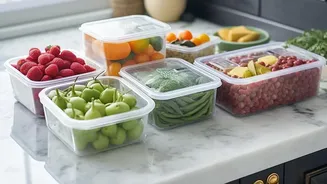
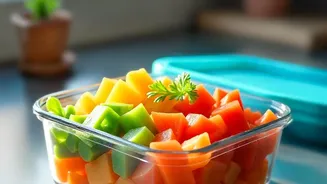
Aluminum foil is best suited for short-term storage. Experts recommend limiting its use to a few hours or, at most, a day or two for non-acidic foods in the refrigerator. The main issue is that foil does not create a truly airtight seal, no matter how tightly you wrap it. Air can still get in, which allows bacteria to grow. For leftovers you plan to keep for several days, airtight containers made of glass or plastic are a much safer option, as they prevent air exposure and cross-contamination from other items in your fridge. They are generally recommended for storing food for up to three or four days.
Handling Hot Leftovers Safely
Wrapping hot food tightly in foil and putting it straight into the fridge is a common mistake that creates a food safety risk. Foil is an insulator, meaning it traps heat. When you wrap a large portion of hot food, like a roast or a dense casserole, the foil slows down the cooling process. This can keep the food in the temperature "danger zone" (between 40°F and 140°F) for too long, allowing harmful bacteria like Bacillus cereus or Clostridium botulinum to multiply rapidly. The safer method is to divide large amounts of leftovers into smaller, shallower containers before refrigerating. This allows them to cool down quickly and move through the danger zone much faster.
The Two-Hour Rule for Room Temperature
Contact time also applies to food left on the counter. Food safety guidelines advise that perishable food should not be left at room temperature for more than two hours. If the ambient temperature is high, above 90°F, that window shrinks to just one hour. Simply covering a dish with foil does not make it safe to leave out overnight. Bacteria can still grow, and some produce toxins that are not destroyed by reheating. If you've left cooked food out for more than two hours, it's safest to discard it.
Debunking the Shiny vs. Dull Side Myth
For years, cooks have debated whether the shiny or dull side of the foil should touch the food. The truth is, for cooking and storage, it makes virtually no difference. The two-sided appearance is simply a byproduct of the manufacturing process. During the final rolling phase, two sheets of foil are pressed together. The sides that come into contact with the highly polished steel rollers become shiny, while the sides that touch each other remain matte, or dull. Both sides perform equally well in terms of heat conduction and protection. The only exception is non-stick foil, which has a special coating on one side that should be placed against the food.