





A Bridge to Identity
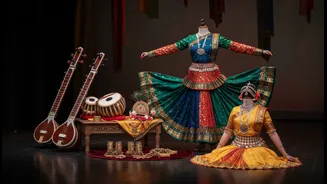
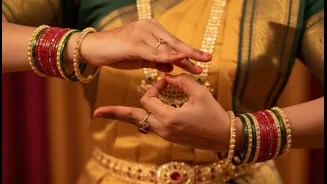
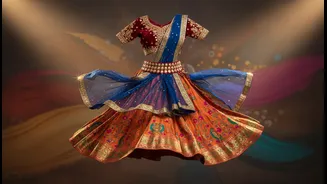
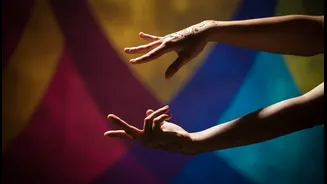
For many young people in the Indian diaspora, classical dance is more than a weekend hobby; it's a vital link to a heritage that can feel distant. In a multicultural world, learning Bharatanatyam, Kathak, or Odissi becomes a powerful act of self-discovery
and a way to connect with the stories, values, and spirituality of their ancestors. These dance classes, often held in community centres or suburban homes, transform into spaces where cultural identity is not just remembered but actively performed and reinforced. It's a way for second and third-generation immigrants to understand their roots on their own terms, translating ancient mythology into a language they can call their own.
The Digital Guru-Shishya Parampara
The traditional master-disciple relationship (guru-shishya parampara) has also evolved. While dedicated teachers remain the bedrock of classical training abroad, technology has reshaped the learning process. Today's students can access workshops with legendary gurus in India via video call, watch countless performances online for inspiration, and use social media to share their own work with a global audience. This digital connection has democratized access to high-quality instruction and fostered a sense of a global community among young dancers, even if they are geographically isolated. They are no longer just learning in a local bubble but are part of a worldwide conversation about the art form.
Innovation and Authenticity
Living between two cultures inspires a unique creativity. Young performers today are not just preserving the art form; they are pushing its boundaries. This has led to a rise in fusion performances, where classical Indian dance is blended with hip-hop, contemporary, or flamenco. While some purists may worry about dilution, many artists see it as a natural evolution. These dancers are asking important questions about what it means to be 'authentic'. They often navigate the challenge of honouring a tradition's sanctity while expressing their own hybrid identities and contemporary realities. This can involve choreographing pieces about modern issues or collaborating with artists from different backgrounds, making the dance form relevant to new audiences.
Soft Power and Cultural Diplomacy
Every 'arangetram' (debut solo performance) or community festival performance is an act of cultural diplomacy. These young performers act as unofficial cultural ambassadors, presenting a nuanced and vibrant image of India on the world stage. In an era where global understanding is paramount, dance becomes a universal language that transcends political and social divides. They challenge stereotypes and introduce the depth and sophistication of Indian traditions to a diverse, international audience that might not otherwise encounter it. This visibility not only fosters pride within the diaspora but also enriches the cultural landscape of their adopted homelands.
Overcoming Modern Challenges
The path is not without its difficulties. Dancers and teachers abroad often struggle with a lack of institutional funding, performance venues, and mainstream recognition compared to Western art forms. The audience may not have the deep cultural context to appreciate the nuances of the storytelling, requiring artists to find new ways to communicate ancient tales. Furthermore, the pressure to pursue more commercially viable careers can often relegate this intense artistic discipline to a mere hobby. Yet, the continued dedication of these young performers in the face of such obstacles makes their commitment all the more significant.