



The Siren Call of the Kadai
There’s an undeniable romance to deep-fried food during the monsoon. The sizzle of batter hitting hot oil feels like a warm, crunchy counterpoint to the grey, wet weather outside. Pakoras, samosas, kachoris — these aren't just snacks; they are cultural
touchstones, edible embodiments of comfort and nostalgia. Every household has its recipe, every street corner its speciality. This craving is primal. It’s a desire for something indulgent and satisfying when the skies turn dark. But this seasonal indulgence often comes with a post-snack slump, a feeling of heaviness and lethargy that has more to do with the season than we might think.
Monsoon and the Digestive Slowdown
Why does that extra samosa feel heavier during the rains? Both modern nutrition and ancient Indian wisdom offer an answer. According to Ayurveda, the monsoon season, or 'Varsha Ritu', is a time when our digestive fire, or 'agni', is naturally at its weakest. The high humidity and dampness in the atmosphere are believed to slow down our metabolism, making it harder for our bodies to process heavy, oily, and fried foods. This can lead to common monsoon complaints like bloating, indigestion, and acidity. From a modern perspective, the humid weather also creates a breeding ground for bacteria, making us more susceptible to water-borne diseases and stomach infections. A diet laden with excessive oil can further tax a digestive system that’s already working overtime to keep you healthy.
The Gentle Power of Steam
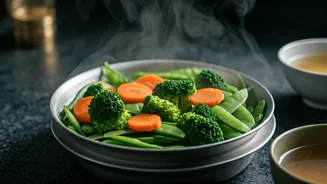
This isn't a call to abandon monsoon snacking, but to embrace a smarter, kinder way of doing it. Enter the magic of steaming. Steaming is a gentle cooking method that uses moist heat to cook food without any added oil. It not only keeps snacks light and easy to digest but also helps retain the food's nutrients, colour, and flavour. Steamed foods are hydrating and soft, perfectly aligning with what our bodies need during a damp, sluggish season. Instead of feeling heavy and bloated, you feel nourished and energised. It’s time we looked beyond the kadai and into the steamer for our rainy-day inspiration. India’s diverse culinary landscape is brimming with steamed delicacies that are perfect for the season.
The Fluffy Classic: Dhokla
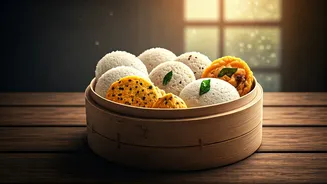
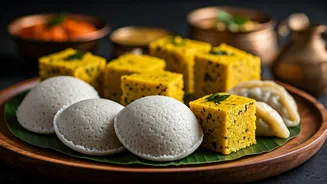
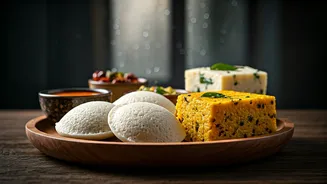
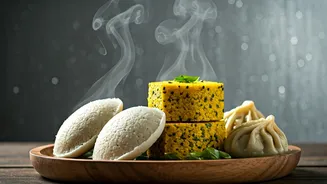
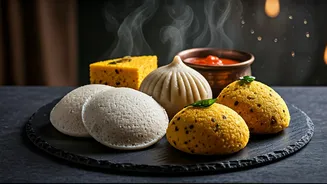
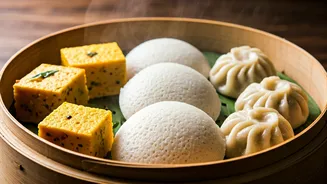
From Gujarat comes this eternally popular, cloud-like cake. Made from a fermented batter of gram flour (besan) or semolina (suji), dhokla is the epitome of a light yet satisfying snack. It's savoury, slightly tangy, and wonderfully spongy, perfect for soaking up a drizzle of chutney. The fermentation process makes it rich in probiotics, which is an added bonus for gut health, especially during the monsoon. A simple tempering of mustard seeds, curry leaves, and a pinch of asafoetida elevates it from simple to sublime.
The Southern Staple: Idli
Often relegated to the breakfast table, the humble idli is a monsoon superstar waiting for its moment. These soft, pillowy steamed rice cakes are completely oil-free, easy on the stomach, and incredibly versatile. Made from a fermented batter of rice and urad dal, they are a fantastic source of carbohydrates and protein. Pair them with a piping hot bowl of sambar, a dollop of coconut chutney, or even a fiery 'podi' mixed with sesame oil for a complete and comforting mini-meal that won’t weigh you down.
The Himalayan Hug: Momos
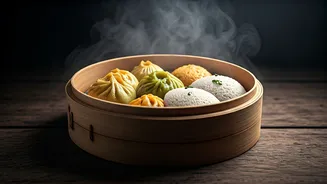
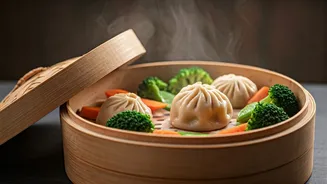
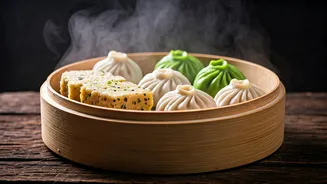
No list of steamed snacks is complete without the undisputed king: the momo. These delicate dumplings, originating from Tibet and beloved across India, are perfect for a rainy evening. Whether filled with minced vegetables, paneer, or chicken, a well-made momo is a parcel of pure joy. The wrapper is soft, the filling is flavourful, and the accompanying fiery red chutney provides the perfect kick of heat. It’s an interactive, communal-eating experience that feels both exotic and familiar.
The Leafy Wonder: Patra & Panki
Let’s not forget snacks that use leaves as both a wrapper and an ingredient. Gujarat’s Panki are savoury rice-flour pancakes steamed between banana leaves, infusing them with a subtle, earthy aroma. Similarly, Patra (or Patrode in the south) involves layering a spiced gram-flour paste on colocasia leaves, which are then rolled, steamed, and sliced. Both are unique, delicious, and showcase the ingenuity of steam-based cooking in regional Indian cuisine.