




Why a Damp Coat Is a Danger Zone
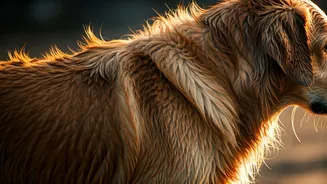
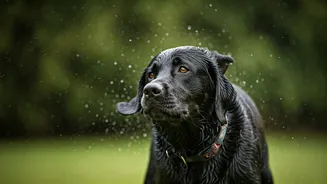
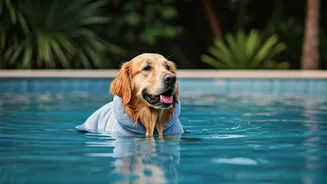
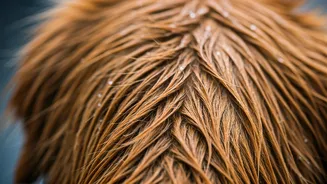
We often worry about our pets catching a cold if they get wet, but the more immediate threat lies on their skin. A dog's coat, especially a thick or double coat, is designed to insulate. When it gets soaked and isn't dried properly, it traps moisture
against the skin. Combined with India's high humidity during the monsoon, this creates a warm, damp environment—the perfect incubator for bacteria and fungi to thrive. What starts as a simple wet patch can quickly escalate into a painful infection, turning a minor inconvenience into a serious veterinary issue.
The Rise of Hot Spots
One of the most common and distressing wet-coat problems is acute moist dermatitis, better known as a “hot spot.” These are localised areas of skin inflammation and bacterial infection. A hot spot appears suddenly as a red, moist, irritated, and often painful lesion. It usually starts with an itch—perhaps from a flea bite or an allergy—that your dog licks, chews, or scratches obsessively. The moisture from the saliva and the damp undercoat creates a feedback loop, worsening the infection rapidly. Within hours, a small itchy spot can become a large, raw, and weeping wound that requires immediate veterinary attention, often involving clipping the fur, cleaning the wound, and a course of antibiotics.
Fungal and Yeast Infections
Beyond bacterial hot spots, trapped moisture encourages the overgrowth of naturally occurring yeast and fungi on your pet’s skin. A common culprit is Malassezia, a yeast that can cause intense itching, a greasy coat, flaky skin (dandruff), and a distinct musty odour. These infections often target areas with skin folds, like the armpits, groin, neck, and ears. If you notice your dog constantly scratching, developing a strange smell, or having discoloured, thickened skin, a fungal infection might be the cause. These conditions are persistent and won't resolve without specific anti-fungal treatments from your vet.
Don't Forget Paws and Ears
The coat isn't the only area at risk. Paws are constantly exposed to puddles and damp ground. Moisture trapped between the paw pads can lead to interdigital cysts, yeast infections, and bacterial pododermatitis. Symptoms include redness, swelling, obsessive licking of the paws, and sometimes a limp. Similarly, floppy-eared dogs are highly susceptible to ear infections during the monsoon. Moisture that gets into the ear canal creates a perfect environment for bacterial and yeast growth, leading to head shaking, scratching at the ears, discharge, and a foul odour. Both conditions cause significant discomfort and require a proper diagnosis and treatment plan.
Your Monsoon Prevention Toolkit
Prevention is far easier than treatment. The key is a rigorous drying routine. After every single walk in the rain, no matter how short, you must dry your pet thoroughly. Start with a highly absorbent microfibre towel to soak up the excess water. Pay special attention to the belly, armpits, tail base, and ears. For long-haired or double-coated breeds, a towel is not enough. You will need to use a pet-safe hair dryer on a low-heat, low-speed setting. Keep the dryer moving constantly to avoid burning the skin. Finally, a daily check of the skin, paws, and ears will help you catch any redness, irritation, or unusual smells before they become a major problem.
When to Call the Veterinarian
While good grooming helps, some issues require professional intervention. You should schedule a visit to the vet immediately if you notice any of the following signs: continuous or frantic scratching, chewing, or licking of a specific spot; patches of hair loss with red or oozing skin; a strong, unpleasant odour from the skin or ears; whining or signs of pain when a certain area is touched; or any changes in your pet’s behaviour, such as lethargy or loss of appetite. Early intervention can prevent a minor irritation from becoming a severe, painful, and expensive-to-treat infection.