





The Challenge in Our Taps
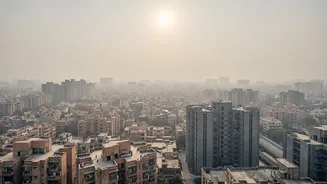
For many households, the water that flows from the tap is not always safe to drink. Contamination from industrial waste, agricultural runoff, and ageing infrastructure can introduce a host of harmful substances. These include heavy metals, bacteria, and even
residual pharmaceuticals like antibiotics. While conventional water purifiers are effective, their cost can be a significant barrier for a large portion of the population. Furthermore, many systems rely on filters that require regular, costly replacement, creating an ongoing financial burden and generating more waste. The search for affordable, accessible, and sustainable purification methods is more urgent than ever.
From Forest Waste to a Filter
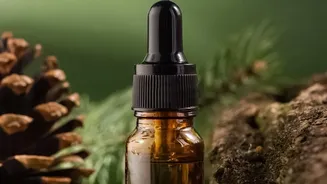
The solution may lie in something often seen as simple forest debris: pine cones. Researchers have developed a method to convert this abundant organic waste into a material called biochar. Biochar is a charcoal-like substance created by heating organic material, like pine cones, at high temperatures in a low-oxygen environment, a process known as pyrolysis. The resulting material is incredibly porous and has a large surface area, making it an excellent candidate for trapping contaminants. Instead of being left to decay or becoming a disposal problem, this waste is upcycled into a valuable resource for public health.
How Biochar Cleans Water
The magic of biochar lies in its structure. Its vast network of microscopic pores acts like a sponge, trapping and holding onto pollutants through a process called adsorption. Recent studies have shown that biochar derived from pine cones is highly effective at removing a range of contaminants. Scientists have found it can remove antibiotics, such as ciprofloxacin and azithromycin, from water with up to 91% efficiency. Other research demonstrates its ability to filter out fluoride and heavy metals like chromium. In some studies, the biochar's performance is enhanced through 'activation' with certain chemicals or modification with iron salts, which boosts its ability to bind to specific pollutants.
A Truly Low-Cost, Green Alternative
The primary advantage of pine cone biochar is its remarkably low cost. Pine cones are an abundant, free raw material in many parts of the country. The process of turning them into biochar can be done with relatively simple technology, avoiding the complex and expensive manufacturing required for conventional activated carbon filters. This makes it a highly promising technology for rural communities and low-income households. The environmental benefits are also significant. It provides a productive use for agricultural and forest waste, reduces the need for landfills, and creates a sustainable filtration material that can even be regenerated and reused multiple times, further extending its life and value.
What's Next for This Technology?
The research is incredibly promising, showing high effectiveness in laboratory settings. The next crucial step is to translate these findings from the lab to real-world, household applications. This involves developing user-friendly filter designs that can be easily manufactured, distributed, and maintained at a community level. Researchers are focused on optimising the production process to ensure consistent quality and exploring ways to scale up production. While some studies have pointed to the need for surface modifications to improve reusability for certain applications, the core potential is clear. This innovation represents a significant step towards decentralized, self-sufficient water purification systems that empower communities to manage their own water safety.