




The Two-Session Philosophy
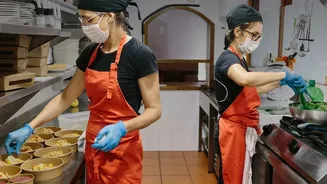
The idea of a single, marathon Sunday meal prep session can be daunting. The two-session approach is more sustainable. It splits the work, ensuring you still get a weekend while setting your future selves up for success. One longer session on the weekend handles
the heavy lifting, while a shorter, mid-week session keeps meals fresh and interesting. This method prevents 'flavour fatigue' from eating the same thing for five days straight and reduces the risk of food spoilage for meals planned later in the week. It’s a strategy that can turn a dreaded chore into a shared, productive activity.
Step 1: The United Front Plan
Success starts before you ever chop an onion. Sit down together and plan your meals for the week. A shared digital note or a kitchen whiteboard works perfectly. The key is to choose recipes with overlapping ingredients. For instance, if you're making chicken and rice bowls, plan for a chicken curry later in the week. This minimizes waste and simplifies your grocery list. This is also the time to decide who is tackling which recipes, or if you'll divide and conquer the tasks. Start small by aiming to cover lunches and dinners for 3-4 days to avoid feeling overwhelmed.
Session 1: The Weekend Foundation (2 Hours)
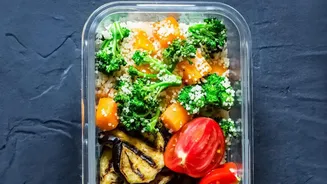
This is your main cooking block. Focus on 'component prep'—cooking individual ingredients that can be combined later. This session is for tasks that take the longest. Start by preheating your oven for roasting vegetables like sweet potatoes, broccoli, and peppers. While they cook, use the stovetop to prepare a large batch of a versatile grain like quinoa, brown rice, or barley. This is also the time to cook your primary proteins. Think about roasting a whole chicken, browning ground meat for chillis or tacos, or baking tofu. You can also hard-boil eggs for snacks and salads or prepare a large pot of soup or stew, which often tastes even better after a day or two.
Session 2: The Mid-Week Refresh (30-45 Minutes)
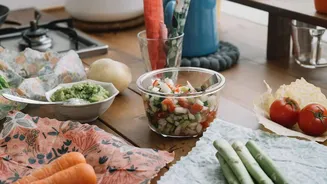
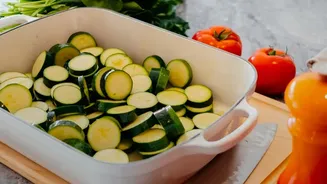
Around Wednesday, a quick 'refresh' session can revitalise your meal plan. This is for preparing delicate items that don’t hold up well for a full week. Wash and chop fresh salad greens, assemble wraps or sandwiches for the next day, or blend a fresh sauce or dressing to bring a new flavour to your pre-cooked components. This session is also perfect for cooking quick-cooking proteins like fish or shrimp for that evening's dinner, ensuring maximum freshness. This quick checkin prevents the endofweek scramble and makes your Thursday and Friday meals feel just as effortless as Monday's.
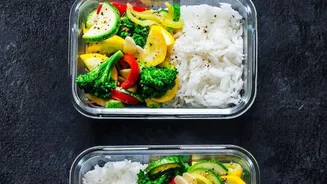
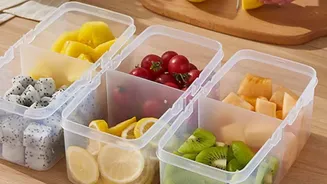
Proper storage is crucial for keeping your food safe and delicious. Use clear, airtight containers, preferably glass, and label them with the contents and date. For meals you plan to eat within 3–4 days, the refrigerator is fine. For anything beyond that, the freezer is your best friend. To prevent bacterial growth, cool foods rapidly by dividing large batches into smaller, shallow containers before refrigerating or freezing. When it's time to eat, simply assemble your prepped components. A scoop of quinoa, a portion of roasted chicken, a handful of fresh spinach, and a drizzle of vinaigrette becomes a healthy, satisfying meal in minutes, no cooking required.