


The Silent Creep of Mould and Mildew
One of the most immediate and insidious threats after water exposure is mould. Spores, which are always present in the air, can begin to grow on damp surfaces within just 24 to 48 hours. What starts as a minor issue can quickly become a major health hazard,
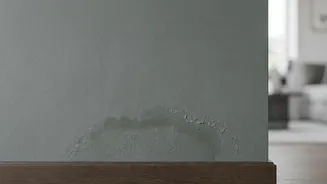
triggering respiratory problems and allergies. The first sign might not be visible spots, but a persistent musty or earthy smell. By the time you see discoloration on walls, the mould may have already established a colony behind the drywall or under the flooring, feeding on materials like wood, paper, and insulation.
Compromised Structural Integrity
Water is a powerful force of slow destruction against the materials that hold up your home. Prolonged dampness weakens wooden beams and floor joists, leading to rot that compromises their load-bearing capacity. Drywall, when saturated, can swell, warp, and crumble, losing its structural integrity. The initial damage might be subtle: a floor that feels spongy, a door that suddenly sticks, or a new crack appearing in a wall. Over time, this slow decay can lead to sagging floors, bulging walls, and even more significant structural failures that are costly and complex to repair.
An Unstable Foundation
Your home's entire stability rests on its foundation, and heavy rainfall poses a significant threat at this level. When the soil around your foundation becomes heavily saturated, it can exert immense pressure, known as hydrostatic pressure, against the foundation walls. This can cause walls to bow inward or crack. Conversely, as the water drains away and the soil dries, it can shrink, causing the foundation to settle unevenly. This cycle of soil expansion and contraction puts continuous stress on the structure. Signs of foundation trouble include new cracks in concrete, water seeping into the basement or crawl space, and windows or doors that no longer align properly.
Latent Electrical Dangers
Water and electricity are a notoriously dangerous combination, and the risks don't disappear once things are dry. When moisture seeps into walls, it can come into contact with wiring, outlets, and junction boxes. Even if it doesn’t cause an immediate short circuit, the lingering moisture can lead to corrosion on metal components like wires and terminals. This corrosion increases electrical resistance, which generates heat and creates a serious, hidden fire hazard that might not become apparent for weeks or even months after the rain. Flickering lights, a faint burning smell, or frequently tripping breakers are all warning signs that should never be ignored.