








What is Activity-First Travel?
Activity-first travel is a mindset shift that is reshaping how modern travelers plan their trips. Instead of picking a destination and then vaguely deciding what to do, travelers are now letting their desired experiences—be it hiking, learning a new skill,
or attending a specific event—dictate the destination itself. This approach has a direct and transformative impact on packing. The focus moves away from packing for a general 'vacation' and toward curating a specific set of gear and clothing for the exact activities you have planned. It’s a move from a speculative wardrobe to a purpose-driven one.
The End of Decorative Packing
For years, packing was often an exercise in aesthetics, driven by the desire to have the perfect outfit for any hypothetical scenario. This led to what can be called 'decorative packing'—lugging along items that look good but serve little practical purpose. The activity-first approach rejects this. It argues that the most important thing you can pack is utility. Every item in your bag should earn its place by serving a function tied to your itinerary. This often means choosing durable, quick-dry pants over bulky jeans, or a packable waterproof jacket instead of a stylish but less protective coat. The goal isn't to look like you're on vacation; it's to be perfectly equipped for the vacation you're actually having.
Step 1: Build Your Itinerary First
Effective activity-first packing begins long before you open your suitcase. It starts with a detailed plan. Instead of a vague notion of 'exploring the city,' list the specific things you will do: visit three museums, attend a formal dinner, and take a guided bike tour. Each of these requires different attire. A trip that includes both mountain trekking and relaxing in a coastal town demands a more thoughtful approach than just throwing in shorts and sweaters. By locking in your activities, you create a clear checklist of what you'll genuinely need, making it easier to leave unnecessary items behind.
Step 2: Create Modular Gear Lists
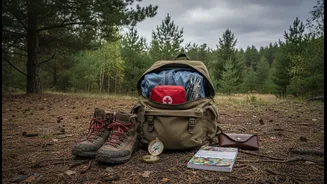
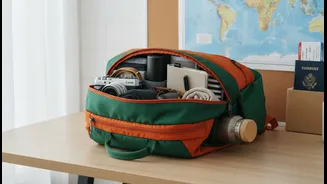
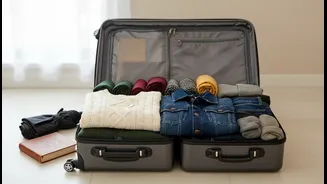
Once your itinerary is set, think of your packing list in modules based on activity. One packing cube might contain all your hiking gear: merino wool base layers, hiking socks, and a lightweight fleece. Another might hold your city exploration kit: comfortable walking shoes, versatile trousers, and a few smart tops. This modular approach not only keeps you organized but also prevents you from overpacking. For a multi-destination trip, it allows you to easily access what you need without unpacking everything. If you're only using certain gear for part of the trip, you can keep that module stashed away until it's time.
Step 3: Prioritize Versatile, High-Function Items
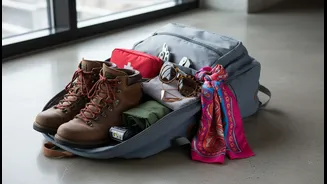
Being specific doesn't mean packing single-use items. The key is to select versatile pieces that can serve multiple planned functions. A high-quality merino wool t-shirt can work as a base layer for a cool-weather hike, a casual shirt for a walk, and even a sleep shirt. A pair of sleek, black, quick-drying pants might be suitable for a trail during the day and, when paired with a nice shirt, appropriate for a casual dinner at night. The focus is on high-performance fabrics and smart design that allow for layering. A windproof and waterproof shell jacket, for example, is far more useful across different climates than a bulky, non-weatherproof coat.
The Benefits of Packing with Purpose
Adopting an activity-first packing strategy does more than just lighten your luggage. It reduces decision fatigue on your trip, as your outfits are pre-planned around what you're doing each day. It saves you from the frustration of having a suitcase full of clothes but nothing appropriate to wear for a sudden downpour or an impromptu hike. It often means investing in fewer, but better, quality pieces that are durable and functional. Ultimately, it allows you to focus more on the experiences you traveled for and less on the things you brought with you.