




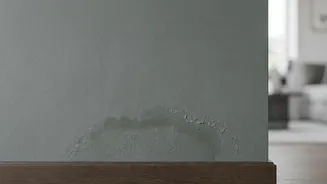

Beyond the Musty Smell: The Hidden Dangers
The most immediate consequence of a damp home is often the unpleasant, stale odour. But the real problems are far more serious. Persistent moisture creates a breeding ground for mould, mildew, bacteria, and dust mites. These microorganisms release spores
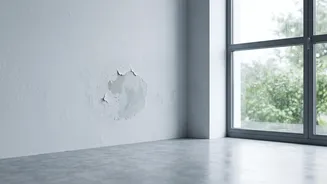
and toxins into the air that can trigger a range of health issues, including respiratory problems, allergies, asthma attacks, skin irritation, and even a weakened immune system. Beyond health concerns, dampness is a silent destroyer of property. It can cause wood to rot, corrode metal reinforcements within concrete, and degrade plaster and masonry. Over time, this can lead to significant structural damage, weakening walls, foundations, and wooden frames, which can result in expensive and complex repairs.
Playing Detective: Identifying the Source of Damp
Before you can fix the problem, you need to find its source. Dampness in homes typically falls into three main categories. The first is condensation, which occurs when warm, moist air comes into contact with a cold surface, like a wall or window. This is common in poorly ventilated areas such as kitchens and bathrooms. The second is penetrating damp, which is when water from the outside gets in. This could be due to a leaky roof, cracks in the external walls, or faulty seals around windows and doors, a common issue during India's monsoon season. The third type is rising damp, where groundwater travels up through the porous materials of the walls. This is often identifiable by a tide-mark stain on the lower part of the wall and may indicate issues with the building's damp-proof course (DPC).
A Practical Guide to Tackling Damp
Once you've identified the likely cause, you can take targeted action. For condensation, the solution is ventilation. Open windows and doors regularly to allow air to circulate, and use exhaust fans in kitchens and bathrooms to expel moist air. For penetrating damp, a thorough inspection is needed. Check your roof for missing or cracked tiles and ensure gutters and drains are clear of debris. Examine external walls for cracks and have them sealed with waterproof putty or sealants. Addressing rising damp can be more complex and may require professional help to assess and potentially install or repair a DPC. In all cases of existing damp, cleaning away mould is crucial. Use a specialised mould cleaner or a solution of vinegar and water, ensuring you wear protective gear.
Prevention is Key, Especially During Monsoon
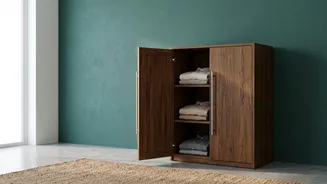
In India, the monsoon season makes homes particularly vulnerable to dampness. Proactive maintenance is your best defence. Before the rains begin, clear your terrace and drains of any leaves or blockages to prevent water from pooling. Inside the home, simple measures can make a big difference. Keep wooden furniture a few inches away from external walls to allow for air circulation and prevent mould growth on unseen surfaces. Use moisture absorbers like silica gel packs or charcoal bags in enclosed spaces like wardrobes and cabinets to combat the high humidity. Running ceiling fans, even on a low speed, helps keep the air moving and discourages mould from taking hold in stagnant, humid corners. Taking these steps not only protects your belongings but also helps maintain a healthier living environment throughout the wettest months.