


The Foundation: Prepping Your Planters
Before you can assign any jobs, you need a prepared workforce. Start with clean, empty coconut shell halves. The most critical step is ensuring proper drainage to prevent waterlogging and root rot. Using a drill or a sharp tool, create one or more small
holes in the bottom of each shell. This allows excess water to escape, which is vital for the health of most plants. If the outer surface is too rough for your liking, a light sanding can smooth it out, but many prefer the natural, textured look. Once drilled and cleaned, your coconut shell planters are ready to be put to work.
Job 1: The Succulent Specialist
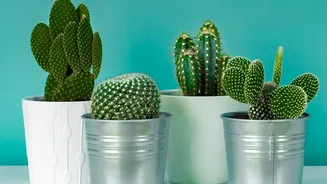
Coconut shells are perfectly suited for the role of a succulent and cacti holder. These plants generally have shallow root systems and thrive in conditions that don’t stay overly wet. The limited size of a coconut shell is not a drawback here; it’s an advantage, preventing the soil from retaining too much moisture around the roots. For this job, use a specialised cactus and succulent potting mix that promotes excellent drainage. Grouping several shells together, each with a different succulent variety, can create a stunning and low-maintenance display for a sunny windowsill or patio table.
Job 2: The Hanging Vine Manager
When floor or shelf space is limited, look up. A coconut shell easily transforms into a hanging planter, a job it performs with rustic flair. Drill three or four evenly spaced holes around the rim of the shell and thread a sturdy material like jute twine or rope through them to create a hanger. This role is ideal for trailing plants whose vines can cascade gracefully over the sides. Varieties like pothos, string of pearls, or spider plants are excellent candidates. Hanging planters bring greenery to eye level, making a small balcony or room feel lush and dynamic without cluttering surfaces.
Job 3: The Kitchen Herb Operative
Imagine having fresh herbs right where you need them. A coconut shell planter is the perfect size for a single herb plant, making it an ideal operative for a kitchen garden. Small herbs that don’t require deep soil, such as basil, mint, coriander, or parsley, can thrive in these shells. Place them on a sunny kitchen windowsill for easy access while cooking. Because they are in separate, small containers, you can give each herb the specific attention it needs. It’s a simple, sustainable way to ensure you always have fresh flavours on hand.
Job 4: The Seedling Nursery Supervisor
For gardeners looking to reduce their reliance on plastic, coconut shells are a fantastic, biodegradable alternative to traditional seed-starting trays. Assign your shells the job of a nursery supervisor by filling them with a light seed-starting mix and sowing your vegetable, herb, or flower seeds. The sturdy shell protects delicate seedlings as they grow. When they are strong enough to move to a larger pot or garden bed, the entire root ball can be gently lifted out with minimal disturbance. This makes transplanting less stressful for the young plants and sets them up for success.
Job 5: The Air Plant Display Artist
Not every planter needs soil. Some of the most beautiful arrangements involve plants that take their nutrients from the air. Coconut shells are naturals for the role of an air plant (Tillandsia) holder. Because these plants don’t need soil, you don’t have to worry about drainage. You can simply place the air plant inside the shell or use a bit of decorative moss to hold it in place. The combination of the smooth, architectural leaves of the air plant and the organic texture of the coconut shell creates a striking, minimalist display. You can hang them or place them on a shelf as living sculptures.