



The Rise of the Culinary Frankenstein
Let’s be clear: this isn’t an attack on all fusion. Culinary history is a story of beautiful, organic fusion. Goan Vindaloo without Portuguese chillies? Unthinkable. The Parsi larder without its Gujarati and Persian roots? Impossible. The problem isn't
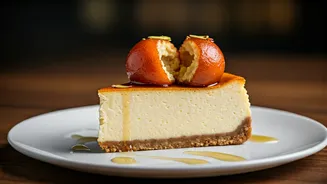
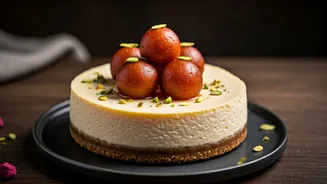
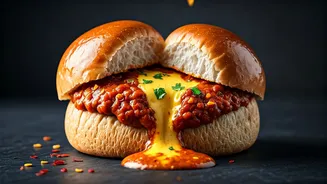
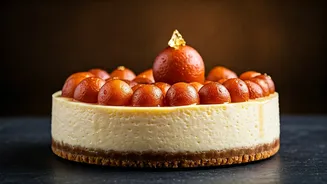
the mixing of cultures; it's the thoughtless mashing of keywords. Generic fusion is the Franken-food born of a marketing meeting, not a chef's passion. It’s the Paneer Tikka Pizza, the Butter Chicken Momos, the Gulab Jamun Cheesecake. These dishes sound intriguing for a second, but the experience is almost always disappointing. They are created by simply taking two popular, unrelated items and forcing them together. The result rarely honours either origin. It’s a dish built for an Instagram post, not a discerning palate. It’s a culinary shortcut that ultimately shortchanges the diner.
Why Is This Happening?
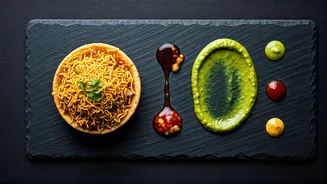
This trend has exploded for a few predictable reasons. First, it's a low-risk way for restaurants to appear modern and adventurous without taking any real risks. Slapping 'tandoori' in front of a Western dish or stuffing a samosa with noodles creates a sense of novelty that can attract curious diners, especially younger ones driven by social media trends. It's perceived as safe experimentation—familiar flavours in a slightly different package. Second, it caters to a certain kind of diner who wants to feel worldly without straying too far from their comfort zone. They get the thrill of the 'new' without the challenge of unfamiliar ingredients or textures. It's the culinary equivalent of a Bollywood remake of a Hollywood blockbuster: the plot is familiar, just with different faces. The result is a landscape of homogenous menus where every 'modern Indian' or 'global cuisine' restaurant offers a slightly different version of the same five tired ideas.
What True Innovation Looks Like
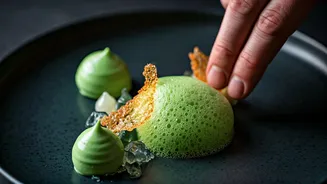
So, if generic fusion is the problem, what's the solution? It’s about demanding thoughtfulness. True culinary innovation isn’t about smashing two finished dishes together. It’s about understanding the foundational principles of different cuisines and finding a shared grammar. It’s about borrowing a technique, not just a name. Think of a chef using a French sous-vide technique to make the most tender galouti kebab imaginable. Or a chef who uses Japanese pickling methods on Indian vegetables to create a completely new kind of achaar. This is where the magic happens. This is fusion born of respect, study, and a deep love for ingredients. Restaurants like Indian Accent in Delhi or The Bombay Canteen in Mumbai have built their reputations on this principle. They deconstruct and reconstruct Indian food with a global sensibility, creating something that is both new and deeply rooted in tradition. Their food tells a story; generic fusion just shouts a hashtag.
Let's Demand Better
As diners, we have more power than we think. The relentless spread of generic fusion is a direct result of what we choose to order and celebrate. It's time to vote with our wallets. Instead of defaulting to the butter chicken pasta, let’s seek out restaurants championing lesser-known regional Indian cuisines. Let's explore the rich, complex flavours of a Kathiyawadi thali, a Naga pork curry, or a Syrian Christian fish moilee. Let's reward the chefs who are painstakingly sourcing local ingredients or mastering authentic international dishes. When we do crave novelty, let’s look for the places that demonstrate genuine creativity and technical skill, not just a clever name. By being more adventurous and discerning, we create a market for better, more interesting food. We force restaurants to move beyond the gimmick and back to the craft.