
In the world of healthy eating, quinoa and lentils are pantry superstars. But while both are praised for their health benefits, they aren't interchangeable. One is a seed, the other a pulse, and understanding their differences is key.
Defining the Contenders
First, let's clear
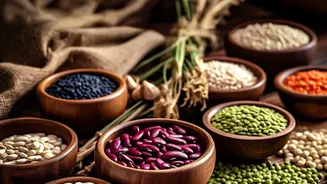
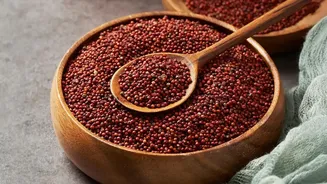
up the confusion in the headline. Quinoa, despite being cooked and eaten like a grain, is technically a 'pseudocereal'. It’s the edible seed of a plant from the amaranth family, related to spinach and beets. Lentils, on the other hand, are a type of pulse — the edible seed from a legume plant, making them cousins to beans, chickpeas, and peas. So, while the matchup is often framed as grain versus pulse, it’s more accurately a seed versus a pulse, both celebrated for being gluten-free and nutrient-dense.
The Nutritional Head-to-Head
When comparing one cup of cooked quinoa to one cup of cooked lentils, a clear winner emerges on a few fronts: lentils. Lentils pack a bigger punch when it comes to protein and fibre. A cup of cooked lentils offers around 18 grams of protein and 15 grams of fibre, which is over half the daily recommended fibre intake. Quinoa delivers a respectable 8 grams of protein and 5 grams of fibre for the same serving size. Where quinoa shines is in its magnesium content. However, lentils generally offer more iron, folate, potassium, and various B vitamins. For those watching their blood sugar, both are good low-glycemic index options, but lentils have a lower score, meaning they cause a slower rise in blood sugar.
The Complete Protein Question
This is where quinoa often gets its 'superfood' crown. Quinoa is one of the few plant-based foods that is a 'complete protein', meaning it contains all nine essential amino acids our bodies can't produce on their own. This makes it an incredibly efficient protein source, especially for vegetarian and vegan diets. Lentils contain all nine essential amino acids as well, but they are low in one, methionine, technically making them an 'incomplete' protein. However, this is easily solved. By pairing lentils with a grain like rice or wheat throughout the day, you can easily form a complete protein. The idea that you must eat them in the same meal is an outdated myth.
In the Kitchen: Cooking and Versatility
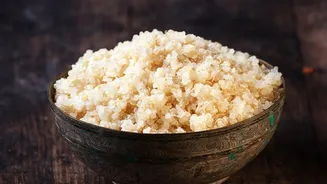
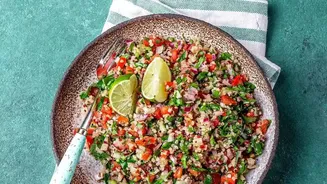
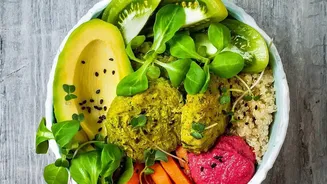
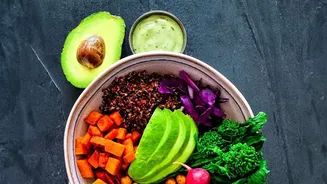
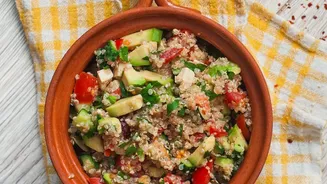
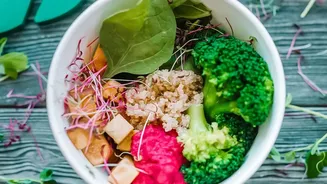
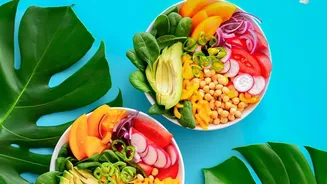
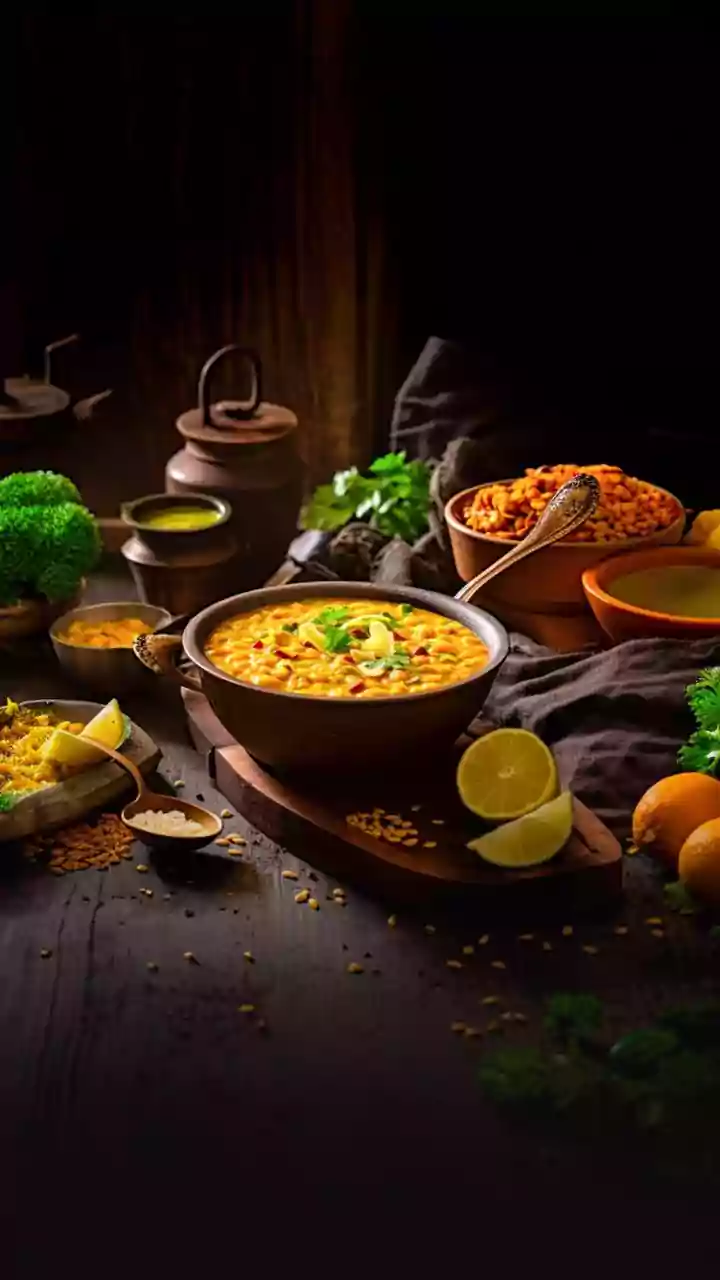
Both ingredients are kitchen workhorses, but they behave differently. Quinoa needs a good rinse before cooking to remove its natural coating of saponins, which can taste bitter or soapy. It cooks in about 15 minutes, absorbing water to become light and fluffy, making it an excellent base for salads, grain bowls, or as a substitute for rice. Lentils don't require soaking and cook in 20–30 minutes, depending on the variety. Brown and green lentils hold their shape well, perfect for salads, while red and yellow lentils break down into a creamy texture, ideal for dals, soups, and curries.
Cost and Accessibility
For budget–conscious shoppers, there is no contest : lentils are the undisputed champion. As a staple crop in India and around the world , lentils (or dal) are one of the most affordable sources of protein available. Quinoa , once a niche health food , has become more mainstream , but it remains a premium product , often costing two to three times more than lentils . While both are widely available in most supermarkets today , lentils have a clear edge in affordability , making them a more accessible source of daily nutrition for many.