




The Science Behind Dampness
Indoor dampness primarily stems from one key culprit: excess moisture. Everyday activities like cooking, bathing, and even breathing release water vapour into the air, increasing its humidity. When this warm, moisture-laden air comes into contact with
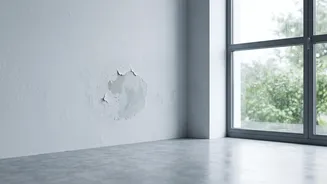
a colder surface—such as a wall, window, or mirror—it cools down. Since cool air cannot hold as much moisture as warm air, the excess water vapour turns back into liquid in a process called condensation. This is why you see foggy mirrors after a hot shower or water droplets on windows on a cool morning. Without a way to escape, this moisture settles on surfaces, seeps into walls and furniture, and creates the perfect breeding ground for dampness and mould.
How Airflow Fights Back
This is where airflow, or ventilation, becomes your greatest ally. At its core, good ventilation works by replacing stale, humid indoor air with fresher, drier outdoor air. This constant exchange serves two purposes. First, it physically removes the moisture-heavy air from the room before it has a chance to condense on cold surfaces. Second, the moving air helps to dry out any surfaces that are already damp, preventing moisture from lingering and causing damage. Think of it like drying clothes: a line of laundry will dry much faster on a breezy day than on a still one. The same principle applies to the walls and surfaces inside your home.
The Unseen Health Risks of Damp
Dampness isn't just an aesthetic issue; it has significant health implications. Persistent moisture creates an ideal environment for mould and mildew to thrive. Exposure to mould spores can trigger a range of health problems, from allergic reactions like sneezing, runny noses, and skin rashes to more severe respiratory issues. For individuals with asthma, mould can lead to attacks and worsen their condition. The World Health Organization has consistently linked indoor dampness to a higher risk of coughs, wheezing, and respiratory infections. By improving airflow, you are actively disrupting the conditions that allow these harmful organisms to grow, creating a healthier living space for you and your family.
Easy Ways to Boost Ventilation
Improving airflow doesn't have to be complicated or costly. One of the most effective methods is cross-ventilation. This involves opening windows or doors on opposite sides of a room or house to create a natural air current that pushes stale air out and pulls fresh air in. Even opening windows for just 15-20 minutes a day can make a significant difference. Using exhaust fans in kitchens and bathrooms is also crucial. Run them during and after cooking or showering to expel steam and moisture directly outside. Make sure not to block any built-in vents with furniture and consider installing mesh screens on doors and windows, which allow air to circulate while keeping insects out. Simple ceiling or pedestal fans can also help by keeping air moving, preventing it from becoming stagnant.
Thinking Beyond the Window
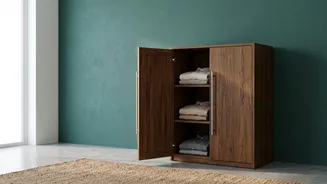
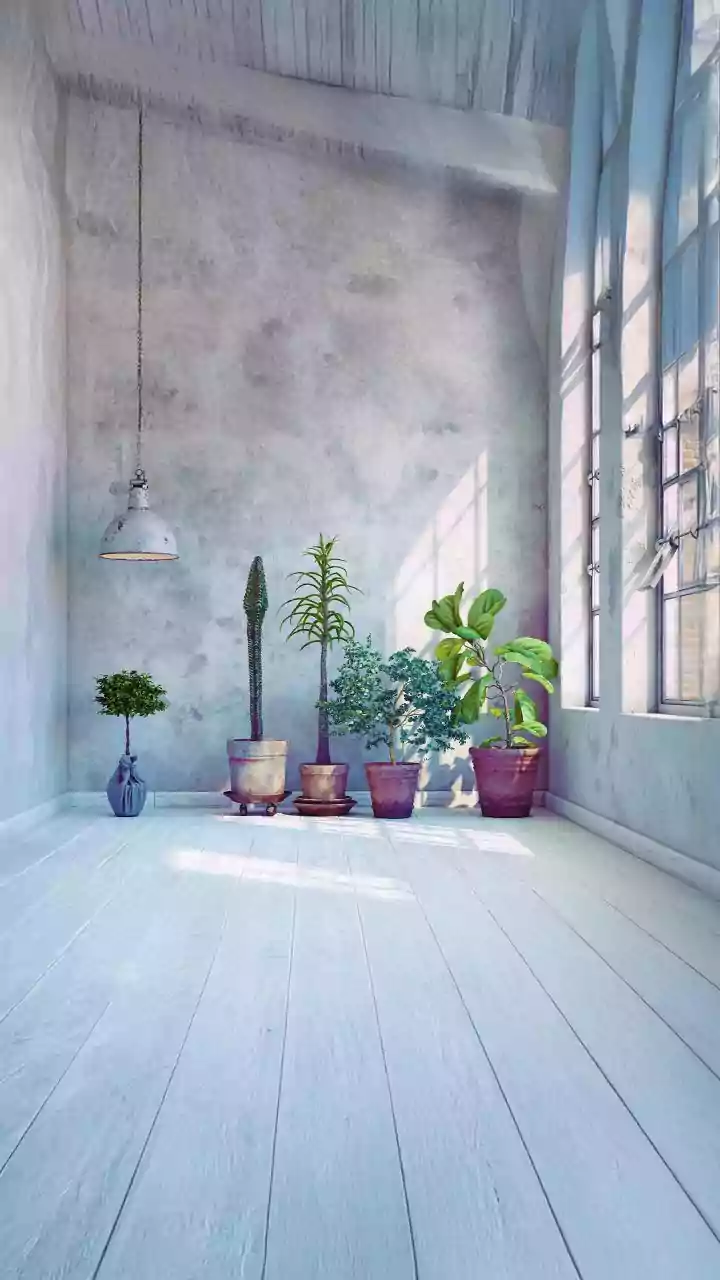
While opening windows is a great start, smart home design can also play a role. Balconies, for example, are designed to draw air into the house. Even the strategic placement of indoor plants can help, as they improve air quality. In rooms that consistently feel damp, ensuring there's a small gap between furniture and walls can improve air circulation in those often-neglected corners. In modern, tightly sealed homes, mechanical ventilation systems can be highly effective, but for most, simple daily habits are enough. The key is consistency; making airflow management a part of your daily routine is the most sustainable way to keep dampness at bay.