





The Psychology of Calm
Minimalism as a design philosophy is built on the idea that less is more. This isn't just about aesthetics; it has deep psychological roots. Cluttered environments can send constant signals to our brains that our work is never done, leading to low-level
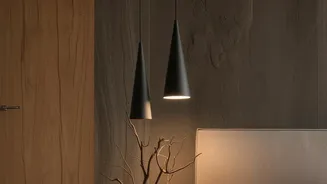
stress and anxiety. A minimalist approach, which extends to lighting, helps reduce this 'visual noise'. Instead of a single, harsh overhead fixture that creates sharp shadows and an institutional feel, minimalist ambient lighting uses multiple, softer sources. This approach fosters a sense of order and control, which research suggests is crucial for mental well-being and can lead to feelings of calm and contentment. By simplifying your visual field, you create mental space, allowing your mind to relax and de-stress in your own sanctuary.
Syncing With Your Body's Clock
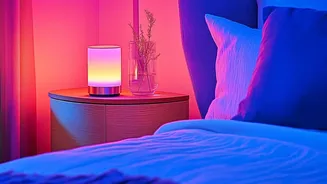
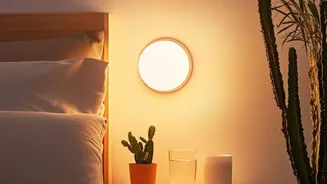
Our bodies have a natural 24-hour internal clock called the circadian rhythm, which tells us when to feel sleepy and when to be alert. This clock is heavily influenced by light. Exposure to bright, blue-toned light—like that from the midday sun or our phone screens—suppresses the production of melatonin, the hormone that makes us sleepy. In the evening, our bodies are naturally programmed to wind down as daylight fades. However, harsh artificial lighting can disrupt this process, tricking our brain into thinking it's still daytime. This delays sleep onset and reduces sleep quality. Minimalist ambient lighting relies on warm-toned light (with colour temperatures between 2700K and 3000K), which mimics the gentle glow of a sunset. This type of light does not interfere with melatonin production, signalling to your body that it's time to rest and promoting a healthier, more consistent sleep cycle.
Making Small Spaces Feel Grand
One of the biggest challenges in a small space is making it feel open and inviting rather than cramped and confining. Lighting is a key player in this illusion. A single, powerful overhead light can flatten a room and create harsh glare, making the space feel smaller and more clinical. Ambient lighting, however, uses layers. By placing light sources at different heights and locations—a floor lamp in a corner, a table lamp by a chair, or wall lights that wash a surface with a soft glow—you create depth and dimension. This technique draws the eye around the room and can make ceilings feel higher and corners recede. Using indirect light, which bounces off walls or ceilings, provides a diffused, even glow that eliminates uncomfortable shadows and fosters a sense of serenity and spaciousness.
Simple Steps to Better Lighting
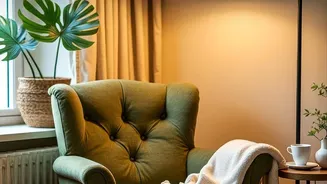
Implementing a minimalist ambient lighting scheme doesn't require a complete overhaul. Start by ditching the single main overhead light as your primary evening source. Instead, opt for layered sources. A floor lamp with an opaque shade can provide a soft, upward glow, while a stylish table lamp creates a cosy reading nook. When buying bulbs, look for those marked 'warm white' or with a colour temperature of around 2700K. Installing dimmer switches is another simple but highly effective upgrade, allowing you to adjust the brightness to suit your activity, whether you're hosting friends or winding down with a book. The goal is to create pools of soft, warm light that feel intentional and calming, turning your small space into a restorative retreat.