






The Kitchen's New Most Valuable Player
Once a niche appliance, the air fryer has rapidly become a mainstream fixture in Indian homes. The country's air fryer market was valued between ₹600-700 crore in 2025 and is growing at a rate of 14-16% annually. This surge in popularity is driven by
two key factors: a growing consciousness around health and the relentless need for convenience in modern, fast-paced lifestyles. Unlike deep-frying, which requires constant monitoring, an air fryer allows users to place food in the basket, set a timer, and walk away. This shift from a complex process to a simple, repeatable system is perfectly suited for households where time is a precious resource. As a result, what started as a premium gadget has become an accessible tool for everyday cooking.
Healthier Feasting, Without the Compromise
The primary draw for many families is the ability to drastically cut down on oil. An air fryer can reduce oil usage by up to 80-90% compared to traditional deep-frying. This means classic festive indulgences like samosas, pakoras, and tikkis can be enjoyed with significantly fewer calories and less saturated fat. For a health-aware generation grappling with lifestyle ailments, this is a game-changer. It’s not about giving up beloved foods, but rather upgrading the way they are cooked. The appliance works by circulating hot air at high speed to create a crispy exterior, mimicking the texture of deep-frying without submerging the food in oil. This method not only reduces fat but may also help retain more nutrients in vegetables compared to high-heat frying.
Classic Savoury Snacks, Reimagined
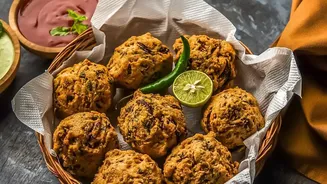
The versatility of the air fryer truly shines during festival preparations. Many traditional savoury snacks can be adapted with fantastic results. Frozen or homemade samosas achieve a golden, crisp finish in about 15-20 minutes. Aloo tikkis and hara bhara kebabs, which are often shallow-fried, cook beautifully with just a light brushing of oil. Even vegetable pakoras (or bhajis) made with onions, potatoes, or spinach can be air-fried; the key is to make the batter slightly thicker than usual to prevent it from dripping. Other favourites like paneer tikka, tandoori chicken, and various kebabs are also perfectly suited for this appliance, cooking faster and with less mess than an oven or grill.
Even Desserts Get an Air-Fried Twist
The air fryer’s capabilities extend beyond savoury dishes into the realm of Indian sweets (mithai). While it can't handle everything, it excels with pastry-style or baked desserts. Gujiya, a festive staple, can be air-fried to a perfect crisp instead of being deep-fried. Recipes like shankarpali (sweet diamond cuts) and nankhatai (cardamom shortbread cookies) also bake evenly, acquiring a delightful golden-brown texture. Some cooks have even found success making lighter versions of sweets like balushahi and gulab jamun, using the air fryer for the cooking stage before soaking them in sugar syrup. This innovation allows for easier, smaller batches of homemade sweets without the heavy reliance on ghee or oil.
Tips for Perfect Air-Fried Festive Treats
To get the best results when adapting Indian recipes, a few tips can make all the difference. First, avoid overcrowding the basket; cook in batches to ensure hot air can circulate freely for maximum crispiness. A light spray or brushing of oil is often necessary to help with browning and prevent food from looking pale. Remember that air fryers cook faster than conventional ovens, so you may need to reduce cooking times. For wet batters, like those for pakoras, using a parchment paper liner can help prevent sticking and make cleanup easier. Finally, always preheat your air fryer for a few minutes, just as you would an oven, to ensure even cooking from the start.