


Master the Paw Wipe-Down
Your pet's paws are the first point of contact with wet, contaminated surfaces. Puddles on Indian streets can be a cocktail of mud, bacteria, and other harmful microbes that can cause paw infections. The single most effective habit is a thorough paw-cleaning
ritual the moment you get back inside. Use a soft towel with lukewarm water to gently clean all four paws, paying special attention to the spaces between the toes where moisture and fungi love to hide. Simply wiping them isn't enough; you must dry them completely. Leaving them damp can lead to fungal issues like yeast infections. For added protection, some vets recommend applying a pet-safe paw balm, which creates a barrier against moisture and irritants on future walks.
The Full-Body Towel-Off
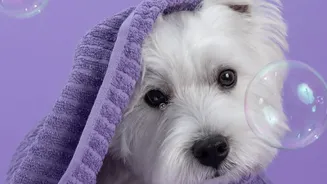
Even with a raincoat, your pet's fur, especially on their underbelly and legs, will get damp. This trapped moisture is a primary cause of skin problems like hot spots and fungal infections during the monsoon. Make it a non-negotiable rule to towel-dry your pet thoroughly after every single walk, no matter how short. Use a highly absorbent microfibre towel and be systematic, starting from the head and moving to the tail. Don't forget often-missed spots like the armpits, groin, and under the collar. For breeds with thick or double coats, a towel might not be enough to dry the undercoat. In these cases, using a pet-friendly hairdryer on a low and cool setting can be a game-changer.
Check the Ears and Face
Moisture is the main culprit behind painful ear infections, especially for dogs with floppy ears that trap humidity. After your walk and general towel-off, take an extra minute to gently wipe the inside of your pet’s ear flaps with a dry, soft cloth or cotton ball. Never insert anything into the ear canal. This habit helps remove any rainwater that might have trickled in, preventing the warm, damp conditions where yeast and bacteria thrive. A quick wipe around their face and muzzle is also a good idea to clean off any splashes from dirty puddles, which they might otherwise ingest while grooming themselves.
Don’t Forget Their Gear
The dampness doesn't just affect your pet; it affects their accessories too. A wet leash, collar, or harness can become a breeding ground for bacteria and can even cause skin irritation where it sits against your pet’s damp fur. After your walk, get into the habit of wiping down the leash and harness and hanging them in a well-ventilated area to dry completely. Fabric collars and harnesses, in particular, should be washed regularly during the monsoon to keep them clean and prevent that persistent musty smell from developing.
Hydration and Water Safety
A post-walk routine also involves what your pet drinks. Discourage your pet from drinking from puddles or any stagnant water source during walks, as these can be contaminated with dangerous bacteria like Leptospira, which causes Leptospirosis, or parasites like Giardia. Always carry fresh drinking water for them in a portable bowl. Once home, ensure their water bowl is clean and filled with fresh, filtered water. Tummy upsets are common during the monsoon, and providing clean drinking water is a simple habit that supports their overall immune system and helps them fight off potential infections.