






Decode Official Weather Alerts
Before you even pack your bags, your first step should be to check the forecast from the India Meteorological Department (IMD). The IMD uses a colour-coded system to help citizens understand the severity of expected weather. A 'Green' alert means all
is well, while a 'Yellow' alert advises you to 'Be Aware' of potential bad weather that could cause disruptions. If you see an 'Orange' alert, it means 'Be Prepared' for extremely bad weather that could disrupt transport and power. The highest level is a 'Red' alert, which means 'Take Action' as severe conditions are imminent and pose a significant risk to life and property. Always check the latest IMD bulletins for your destination, especially for hilly or coastal regions.
Read the Signs in the Sky
Beyond official forecasts, the sky itself offers plenty of clues. Puffy, cotton-like cumulus clouds are generally harmless, but when they start growing vertically into towering shapes, it can signal an approaching storm. Look for shelf clouds, which appear as long, low-hanging formations, or dark, blue-black 'wall clouds' that can indicate a severe downpour is on its way. Rapidly moving or swirling clouds are another sign that a storm is building. The colour of the clouds can also be telling; a greenish tint to dark storm clouds often suggests a more severe storm, potentially with hail. Paying attention to these visual cues can give you valuable time to find shelter.
Watch the Water and Ground
In hilly and mountainous areas, water and ground conditions are critical indicators of landslide risk. Be extremely cautious if you are near streams or rivers. A sudden increase or decrease in water flow, or water that changes from clear to muddy, can signal debris flow or a landslide upstream. Heavy rain washes soil and sediment into rivers, turning them brown; this is a sign of significant surface runoff and potential erosion. On land, look for warning signs like new cracks appearing in the soil or on roads, leaning trees or utility poles, and small rockfalls or soil slips. Hearing unusual sounds like cracking wood or knocking boulders, especially after heavy rain, can also be a sign of imminent danger.
On-the-Road Safety
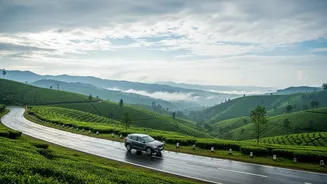
Driving during the monsoon requires extra vigilance. Roads can become treacherous due to waterlogging, mud, and reduced visibility. Always drive slower than usual and maintain a safe distance from the vehicle ahead. Before starting a road trip, ensure your car’s tyres, wipers, and headlights are in good condition. Avoid driving through flooded roads, as it's impossible to know the depth of the water or the condition of the road underneath. It is especially important to avoid driving at night during heavy rain. If you encounter extremely heavy rain or a dust storm, the safest action is to pull over to the side of the road as far as possible, turn off your lights, and wait for conditions to improve. Planning your itinerary with buffer days can also save you from the stress of rushing through hazardous conditions.
Leverage Technology and Local Knowledge
Modern technology is a traveller's best friend during the monsoon. Use reliable weather apps on your phone to get real-time updates and lightning alerts. The IMD's 'Mausam' and 'Damini' apps are specifically designed for Indian weather conditions. Before travelling to a remote area, download offline maps in case you lose connectivity. Always carry a fully charged power bank, as power cuts can be common. Beyond tech, never underestimate the value of local knowledge. Talk to your hotel staff, local drivers, or shopkeepers about areas to avoid. They often have the most current information on local road conditions, potential landslide spots, and flash flood-prone areas that might not be on any official advisory.