





The Evidence for Influence
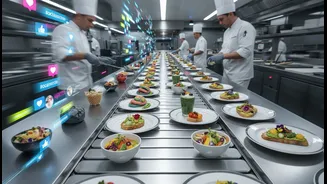
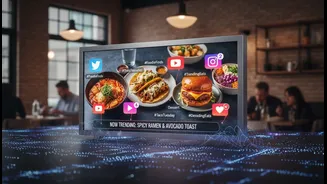
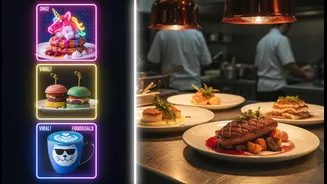
There is clear evidence that social media directly influences urban restaurants. Dishes designed for visual appeal, like smoking cocktails or oversized burgers, are created specifically to be shared online. Restaurants report that a few posts from the
right influencers can generate massive visibility, attracting customers who come looking for a specific trending item they saw in a reel. This has shortened menu development cycles, with smaller cafes and cloud kitchens able to test and launch a viral-inspired dish within days to capture fleeting interest. This digital influence is so strong that some restaurants now consider themselves content businesses as much as food businesses, designing their decor, lighting, and plating for maximum 'Instagrammability'. Trends like mango-themed summer menus or fusion dishes like butter chicken pizza often gain traction this way.
What the Hype Doesn't Support
Despite the viral noise, the evidence suggests this influence is highly concentrated. For the majority of India, daily food choices are guided by tradition, region, affordability, and convenience—not social media algorithms. Data from delivery platforms like Zomato and Swiggy shows that while trends create spikes, the most consistently ordered foods remain classics like North Indian staples, biryani, and pizza. A recent analysis noted that while 'spicy' as a claim grew on menus, so did traditional formats like 'thali' and 'idli'. In fact, a significant gap often exists between what's popular on social media and what's available on menus; one report highlighted that 'idli' was surging in social conversations but had almost no presence on major restaurant operator menus, indicating a disconnect.
The Reality of the Indian Plate
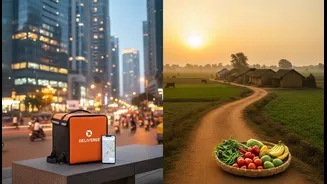
The social media food scene is largely an urban, middle and upper-class phenomenon. A study from IIT Guwahati highlighted that access to and engagement with digital food culture is dominated by youth in these demographics. Meanwhile, recent data from 2026 shows that the biggest battleground for food delivery giants is the affordable Rs. 200-250 meal, aimed at making online ordering a daily habit for price-conscious office workers. This focus on value and regularity stands in stark contrast to the often expensive and novel nature of viral food trends. The real driver of the mass market is not novelty, but hyperlocal availability and price sensitivity.
The Business of Eating
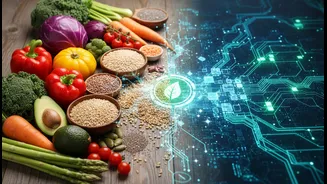
For restaurants, chasing trends is a high-risk game. The lifecycle of a viral dish is notoriously short; what's a sensation one week can be forgotten the next. This makes inventory planning and long-term strategy difficult. As a result, many established restaurants use trends as a limited-time marketing tool to attract new footfall but rely on their core, trusted menu for sustained business. Cloud kitchens are often faster at adopting and discarding trends, using them for A/B testing and short-term promotional bursts. The more durable shifts in the Indian menu are not necessarily viral fads but broader movements, such as the growing popularity of regional cuisines across state lines and the consistent demand for 'healthy' options like high-protein bowls.