







A New Growth Engine Emerges
For years, the Indian beauty market was a narrative written and directed by its metropolitan centres. But that story is changing. Today, the real action is unfolding in Tier-II and Tier-III cities like Lucknow, Jaipur, Indore, and Guwahati. These non-metro
markets are no longer playing catch-up; they are setting the pace for growth. E-commerce giant Flipkart reported that two out of every three beauty-related searches on its platform now originate from non-metro cities. This isn't just about curiosity; it's translating to sales. Nykaa’s 2022 Pink Friday Sale saw 57% of its orders come from Tier-II and Tier-III cities, while over 60% of sales for D2C brand SUGAR Cosmetics also come from these regions. This surge has made it clear: the future of beauty in India lies beyond the traditional urban hubs.
The Digital Revolution and the Aspirational Consumer
This shift is powered by a confluence of factors, chief among them being the digital revolution. The proliferation of affordable smartphones and internet data has democratized access to information and products. Consumers in smaller cities, who once had limited access to brands, can now browse, discover, and purchase products from global and domestic players via platforms like Nykaa, Myntra, Tira, and Amazon. Social media, particularly Instagram Reels and YouTube, has been a game-changer. Influencers and content creators are educating a new wave of consumers on everything from ingredients like niacinamide and hyaluronic acid to the latest global trends. This has created a highly aware and aspirational consumer who, despite having a potentially lower budget than their metro counterpart, is unwilling to settle for substandard products. They want performance, quality, and trendiness, all at an accessible price point.
Brands Enter the Arena
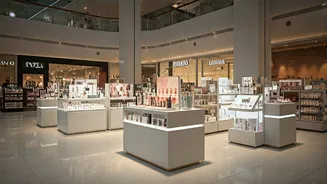
The response from brands has been swift and aggressive, turning these markets into a competitive 'battleground'. Established players like Lakmé and Maybelline now compete with a flood of D2C brands and even luxury labels like MAC and Chanel, which are opening stores in cities such as Chandigarh and Indore. E-commerce platforms are also intensifying their focus; Amazon India, for instance, is adding over 100 new global brands in 2026, driven by the fact that over 50% of its premium beauty demand now comes from non-metro areas. The strategies are multi-pronged. Brands are innovating with smaller pack sizes and product bundles to cater to price-sensitive but experimental buyers. An omnichannel presence is now crucial, combining a strong online platform with physical stores that allow for product discovery and build trust.
The Rise of Hyper-Local Beauty
Winning in Tier-II India isn't just about being available; it's about being relevant. A fascinating trend emerging is 'PIN code Beauty,' where demand is shaped by hyperlocal factors like climate, water quality, and pollution levels. For example, consumers in Rajasthan show high demand for hydration and skin barrier repair products, while those in Bengaluru are looking for hard-water scalp care solutions. This requires brands to move beyond a one-size-fits-all approach and tailor their offerings. Furthermore, the Tier-II consumer is not simply mimicking metro trends. While they are aware of global fads like nude lipsticks, their purchasing decisions remain value-driven. Brands that successfully combine quality, affordability, and a nuanced understanding of local needs are the ones poised to thrive.
The Road Ahead: Opportunities and Challenges
The opportunity is massive. India’s beauty and personal care market, currently valued at around $27 billion, is projected to reach $39 billion by 2030. A significant driver of this growth will be Gen Z consumers and shoppers from smaller towns. However, the path is not without its obstacles. Logistics and supply chains in these regions can be complex and fragmented. Building brand trust is paramount in a market where consumers have historically been cautious. Brands must focus on the fundamentals: ensuring consistent product availability, reliable delivery, and a transparent order experience to win long-term loyalty. The competition is only set to intensify, with major players like Reliance (Tira) and Tata (Cliq Palette) entering the fray alongside established e-commerce giants.