






Jamun (Black Plum)
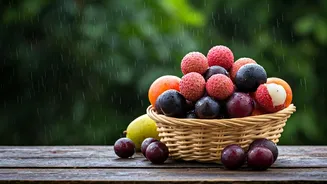
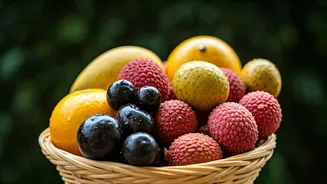
This deep purple fruit is a quintessential monsoon delight. Jamun is loaded with essential nutrients like iron, potassium, folate, and vitamins. Its antimicrobial and astringent properties are particularly beneficial during the rainy season, helping to
address common digestive issues like diarrhoea and dysentery. Being rich in Vitamin C and other antioxidants, jamun helps in purifying the blood and boosting the immune system to fight off seasonal infections. As it is also known for its anti-diabetic properties, it helps regulate blood sugar levels by slowing down the conversion of starch into sugar.
Pomegranate (Anar)
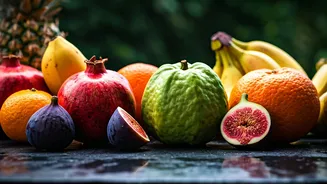
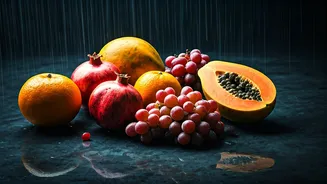
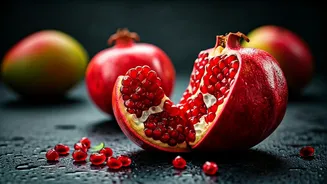
Pomegranates are a nutritional powerhouse, making them a must-have during the monsoon. They are packed with powerful antioxidants, which are crucial for strengthening the body's defenses against infections that are common in this season. These antioxidants, including tannins and flavonoids, help reduce inflammation and protect the body's cells from damage. Pomegranate is also great for heart health and helps improve blood circulation. Adding these ruby-red seeds to your diet, whether in salads, yoghurt, or eaten plain, can give your immune system a significant boost.
Pears (Nashpati)
As the humidity can weaken the digestive system, pears are an excellent addition to your monsoon fruit basket. This low-calorie fruit is incredibly high in fibre, which aids in maintaining a healthy digestive system and prevents constipation. Pears are also a good source of Vitamin C and other antioxidants like beta-carotene, which help bolster the immune system and protect the body from harmful free radicals. Their gentle nature on the stomach makes them one of the safest and healthiest choices to keep you feeling light and active during the damp weather.
Plums (Aloo Bukhara)
Plums are another monsoon fruit celebrated for their rich nutritional profile. They are an excellent source of dietary fibre, which promotes regular bowel movements and helps prevent bloating, a common complaint during this season. Loaded with Vitamin C, plums play a vital role in strengthening the immune system. The antioxidants found in plums, such as phenols and flavonoids, help combat oxidative stress and reduce inflammation. Their sweet and tangy flavour makes them a delicious snack that also contributes to better overall health.
Cherries
Available in abundance during the monsoon, cherries are more than just a tasty treat. These small, vibrant fruits are packed with antioxidants and anti-inflammatory compounds that help the body fight off infections. They are a good source of Vitamin C, potassium, and fibre. Cherries also contain melatonin, which can help regulate sleep cycles, contributing to better rest and recovery. Their low-calorie count makes them a guilt-free addition to your diet, perfect for snacking while enjoying the rain.
Peaches (Aadu)
Peaches are a fantastic fruit to include in your monsoon diet, primarily for their high Vitamin C content, which is essential for a robust immune system. This vitamin stimulates the production of white blood cells that fight off infections. Peaches are also rich in dietary fibre, promoting good digestive health at a time when the system can become sluggish. Furthermore, they are a source of Vitamin A, which is important for healthy vision and skin, helping you maintain a healthy glow despite the gloomy weather.