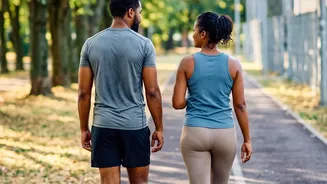








Prioritise Well-Maintained Infrastructure
The foundation of a safe walk is the path itself. Look for routes with wide, well-maintained sidewalks that are free of cracks, overgrowth, or obstructions. According to safety experts, a shocking number of pedestrian fatalities occur in areas that lack
sidewalks, forcing people to walk in the road. A proper sidewalk provides a crucial buffer from traffic. Also, check for clearly marked crosswalks, pedestrian signals, and traffic-calming measures like speed bumps. These features indicate that a community has invested in pedestrian safety, making it a more comfortable and secure place to walk. If no sidewalk is available, official advice is to walk facing oncoming traffic, as far from the road as possible.
Let There Be Light
Good visibility is one of your greatest assets, for both seeing and being seen. Prioritise routes with consistent and bright street lighting, especially if you plan to walk during dawn, dusk, or at night. Well-lit streets not only help you spot potential trip hazards like uneven pavement but also deter criminal activity. When choosing your route, consider how it looks at different times. A path that feels safe in broad daylight can be intimidating after dark. If you must walk in low-light conditions, wear bright or reflective clothing and consider carrying a flashlight to maximise your visibility to drivers.
Assess 'Eyes on the Street'
There is often safety in numbers. Routes that are moderately populated with other walkers, joggers, and residents create a sense of natural surveillance. The presence of other people can make an area less appealing for potential attackers. This doesn't mean you need to walk in a crowd, but choosing a path through an active neighbourhood or near a park where others are present can increase your comfort and security. Look for routes that pass by occupied homes and active businesses rather than deserted industrial parks or vacant lots. If you feel uneasy, trust your instincts and change your course to a more populated area.
Understand Traffic Patterns and Crossings
While personal safety from crime is a concern, the biggest risk for pedestrians often comes from vehicles. Pay close attention to the roads you need to cross. Streets with lower speed limits and less traffic are inherently safer. Major roads with multiple lanes and high speed limits are where a majority of serious pedestrian incidents occur. When planning your route, look for intersections with clear signals and crosswalks. Even with a 'walk' signal, always look left, right, and left again before crossing, and make eye contact with drivers to ensure they see you. Be especially wary of cars turning or exiting driveways.
Plan and Use Technology Wisely
Before you even step out the door, have a plan. Know your route in advance so you can walk with confidence and purpose. It's also a good idea to let a friend or family member know where you're going and roughly when you expect to be back. Modern technology offers powerful safety tools. Your phone's location-sharing feature can allow a trusted contact to track your walk in real-time. However, it's crucial to not let your phone become a distraction. Stay alert and aware of your surroundings; avoid talking on the phone or listening to music with both earbuds in, which can prevent you from hearing an approaching car or person.