






What is Dietary Fibre?
Dietary fibre, also known as roughage, is a type of carbohydrate found in plant-based foods like fruits, vegetables, and whole grains. Unlike other carbs, your body can't digest or absorb fibre. Instead, it passes relatively intact through your digestive
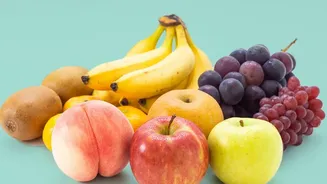
system. There are two main types: soluble fibre, which dissolves in water to form a gel-like substance, and insoluble fibre, which does not dissolve. Soluble fibre, found in apples, citrus fruits, and carrots, can help lower cholesterol and blood sugar levels. Insoluble fibre, present in vegetables and nuts, adds bulk to stool and promotes regular bowel movements. Most fruits contain a healthy mix of both.
Why Your Body Needs Fibre
Fibre is a powerhouse for your health. It is perhaps best known for keeping your digestive system running smoothly and preventing constipation. But its benefits go much further. Because high-fibre foods are more filling, they help you feel satisfied for longer, which can aid in maintaining a healthy weight. The soluble fibre in fruit also plays a vital role in slowing down the absorption of sugar into your bloodstream. This helps prevent the sharp spikes and subsequent crashes in blood sugar and energy levels. A high-fibre diet is linked to a lower risk of developing chronic conditions, including heart disease, type 2 diabetes, and certain types of cancer.
The Juicing Process: What Gets Lost
When you juice a fruit, whether with a household juicer or an industrial press, the machine separates the liquid from the solid parts. This process extracts the water and many vitamins, but it leaves most of the fibrous pulp and skin behind. This is a critical distinction because the fibre is what makes a whole fruit so beneficial. It is part of the fruit's natural structure, which your body has to work to break down. This physical act of chewing and digestion slows everything down. By removing the fibre, juicing essentially pre-digests the fruit for you, fundamentally changing how your body processes it.
The Sugar Impact of Juice
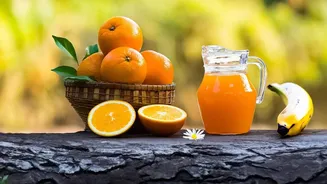
A whole orange and a glass of orange juice might start from the same place, but your body treats them very differently. The sugars in a whole fruit are called 'intrinsic sugars'; they are bound within the fruit's cellular structure along with fibre. This fibre acts like a brake, slowing down sugar absorption. When you juice the fruit, these sugars are released and become 'free sugars' — the same type found in honey or table sugar. Without the fibre to slow them down, these sugars rush into your bloodstream, causing a rapid spike in blood glucose and insulin levels. Studies have shown that while higher consumption of whole fruits like apples and grapes is linked to a lower risk of type 2 diabetes, higher fruit juice consumption is linked to a higher risk.
Whole Fruits: The Superior Choice
Eating a whole fruit is almost always the healthier option. You get the complete package: vitamins, minerals, water, antioxidants, and, most importantly, all the beneficial fibre. This combination promotes satiety, supports gut health by feeding good bacteria, and ensures a slow, steady release of energy. The act of chewing itself contributes to feeling full and can prevent overconsumption. Whether it's a guava, a banana, or a bowl of berries, choosing the whole fruit provides a more balanced and beneficial nutritional experience than its liquid counterpart.
Is There a Place for Juice?
While whole fruit is the clear winner, 100% fruit juice isn't entirely without merit. It can be a convenient way to get some vitamins and minerals, especially for individuals who have difficulty chewing or have a low appetite, such as some elderly people. It can also be an option for those who simply don't enjoy eating whole fruits. However, it should be treated as an occasional drink rather than a daily staple. If you do drink juice, it's best to limit the portion to a small glass (around 150ml), have it with a meal to slow sugar absorption, and never as a substitute for water when you're thirsty.