







Understanding 'Mango Heat'
The concept of 'mango heat' comes from traditional beliefs, including Ayurveda, which classify certain foods as having thermogenic properties that can increase body temperature. [6, 7] This internal heat is often blamed for a variety of issues, such as acne,
rashes, headaches, and digestive discomfort like constipation. [2, 11] According to Ayurveda, overconsumption of heaty foods like mangoes can lead to an imbalance of the body's 'doshas', particularly the Pitta dosha, which governs digestion and metabolism. [10, 16] Soaking the fruit is believed to reduce this thermogenic effect, making it gentler on the system. [5, 6]
The Science of the Soak: Phytic Acid
Beyond traditional wisdom, there's a scientific reason this practice is beneficial: it helps reduce phytic acid. [2, 5] Phytic acid is a naturally occurring compound found in many plant-based foods, including mangoes, nuts, and vegetables. [3] It's often referred to as an 'anti-nutrient' because it can bind to essential minerals like iron, zinc, and calcium in the digestive tract, hindering their absorption. [2, 8] Over time, a diet high in unmanaged phytic acid could contribute to mineral deficiencies. [1] Research and nutritionists suggest that soaking mangoes in water for even 30 minutes to an hour can help leach out or break down this excess phytic acid, thereby improving the bioavailability of the fruit's nutrients. [1, 8]
Your Simple Step-by-Step Guide
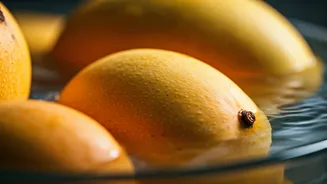
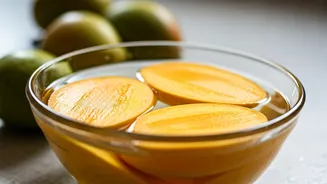
Ready to try it for yourself? This viral hack couldn't be simpler. Start by rinsing your mangoes under cool tap water to remove any initial surface dirt. [8] Then, place the mangoes in a large bowl and fill it with room temperature water, ensuring the fruits are fully submerged. [8] Let them soak for at least 30 minutes, though some traditions call for a soak of one to two hours. [1, 11] There is no need to use hot water, as it can degrade the fruit's heat-sensitive vitamin C content. [6] After they have soaked, give them one final rinse, pat them dry, and they are ready to be enjoyed. [8]
More Than Just Heat Reduction
The benefits of soaking mangoes don't stop at managing heat and phytic acid. This simple step is also an effective way to clean the fruit. [2] It helps wash away pesticides, dirt, and chemical residues from the skin that a quick rinse might miss. [5, 12] Furthermore, it helps remove the milky, latex-like sap that can ooze from the stem. [5, 6] This sap contains compounds that can cause skin irritation or allergic reactions in sensitive individuals. [6] As an added bonus, soaking can rehydrate the fruit, resulting in a juicier, firmer pulp and an enhanced, more refreshing taste. [1, 4]