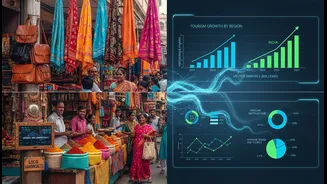









From Anecdotes to Analytics
The Ministry of Tourism has been quietly building a digital infrastructure that is transforming the sector from being intuition-led to data-driven. At the heart of this transformation are two key platforms: the National Integrated Database of Hospitality
Industry (NIDHI+) and the Utsav portal. These initiatives are designed to create a comprehensive, real-time picture of India's tourism ecosystem. The NIDHI+ platform, an upgraded version of the original, registers accommodation units, travel agents, and tour operators, creating a massive database that serves as the foundation for policy-making and strategic planning. The goal is to move beyond static reports and embrace a dynamic understanding of visitor patterns, demand-supply gaps, and emerging hotspots. This shift allows for more efficient resource allocation and helps in making the tourism sector more organized and responsive.
Meet the Digital Trailblazers: NIDHI+ and Utsav
NIDHI+ is more than just a registry; it’s a tool for digital empowerment for the hospitality industry. By providing a unique ID to each registered entity, it streamlines processes for classification, approvals, and accessing benefits. This digital integration is crucial for ensuring quality and standardizing services across the country. Complementing this is the Utsav Portal, a vibrant showcase of India's cultural dynamism. It's a digital calendar of every festival, event, and live darshan happening across the nation. From the grand Kumbh Mela to a local village festival, the Utsav portal aims to bring these events to a global audience, complete with descriptions, dates, and even live-streaming links. This platform effectively turns India's intangible cultural heritage into discoverable and bookable experiences.
The New Travel Map of India
So, what is all this data telling us? The most significant trend is the diversification of travel away from the traditional 'Golden Triangle' (Delhi-Agra-Jaipur). The data reflects a growing appetite among domestic and, to some extent, international travelers for experience-led journeys. There's a noticeable pivot towards spiritual tourism, wellness retreats in quieter locations like Rishikesh, and cultural explorations in lesser-known towns. Recent travel patterns show a surge in interest for destinations that offer a blend of nature, culture, and adventure, such as those in Ladakh and the Northeast. This shift is also driven by improved infrastructure, including new airports in regional hubs and better road connectivity, which makes previously hard-to-reach places more accessible.
Content, Curation, and the Modern Traveller
The new data-driven approach directly influences tourism content. The Utsav portal, for example, is a content goldmine. Instead of relying on generic descriptions, it provides real-time, authentic content about live events that modern travelers crave. This allows for a more dynamic marketing strategy, where promotions can be timed around specific festivals or events, attracting visitors looking for unique cultural immersion. By analysing search trends and booking data, tourism boards can now create highly targeted campaigns. For instance, if data shows a rising interest in sustainable travel or slow-living holidays, they can highlight eco-lodges in Kerala or homestays in Himalayan villages. This curation makes travel discovery more personal and relevant, moving beyond one-size-fits-all itineraries.
Smarter Planning for a Better Experience
This data-first approach is not just a top-level strategy; it directly benefits travelers. With a verified database of hotels and tour operators on NIDHI+, tourists can book with greater confidence about service quality. The Utsav portal allows them to plan trips around vibrant local events they might have otherwise missed. Furthermore, by identifying and promoting new destinations, the ministry aims to ease the pressure on overcrowded tourist hotspots. This helps in managing tourist footfall, which can lead to a better-quality experience with less congestion and more sustainable tourism practices. For the traveler, this means more choices, access to hidden gems, and the ability to plan a trip that is more aligned with their personal interests, be it craft, cuisine, or spirituality.