



Tyres: Your First Line of Defence
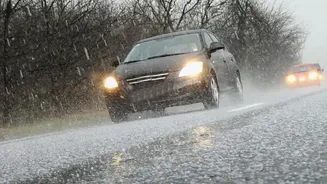
Your tyres are the only part of your car in contact with the road, making them critical for monsoon safety. On wet, winding hill roads, good tyres are non-negotiable. Before you leave, check the tread depth. While the legal minimum is 1.6mm, for monsoon conditions,
at least 3mm is recommended to prevent aquaplaning, where a layer of water builds up between the tyres and the road surface, causing a dangerous loss of traction. Use a one-rupee coin to test the depth; if the tread doesn't cover the coin's silver ring, your tyres are too worn. Also, check the tyre pressure, including the spare. Incorrect pressure affects handling and braking efficiency. Finally, get your wheels aligned and balanced, especially if you feel the car pulling to one side. Misalignment can cause uneven tyre wear and compromise steering control on slippery ghat roads.
Brakes: Your Ultimate Safety Net
Braking distance increases significantly on wet surfaces. Add the downward slope of a hill, and you’ll understand why your car's braking system must be in perfect order. A pre-trip inspection by a qualified mechanic is highly recommended. If you notice any squealing, juddering, or a spongy feeling in the brake pedal, get it checked immediately. These are signs of worn-out brake pads or contaminated brake fluid. Water can contaminate brake fluid, lowering its boiling point and leading to a frightening phenomenon known as brake fade. A mechanic should check the brake fluid's level and colour; if it's dark or cloudy, it needs to be flushed and replaced. After driving through waterlogged patches, gently tap your brakes a few times to dry them out and ensure they are responsive.
Wipers and Windscreen: See and Be Seen
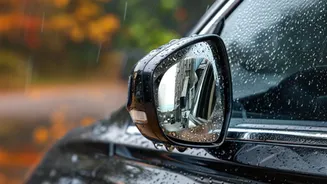
Visibility can drop to near zero in a heavy monsoon downpour, especially in the hills where fog is common. Your windscreen wipers are your most important tool for maintaining a clear view. Wiper blades degrade in the summer heat, often leaving streaks or smudges when the rains begin. If your wipers are not clearing the windscreen effectively in a single sweep, replace them. It’s an inexpensive fix that makes a world of difference. Top up your windshield washer fluid with a proper cleaning solution, not just water, to help cut through road grime and oily spray from other vehicles. Also, ensure your car's air conditioning and defogger are working correctly. The AC helps remove moisture from the cabin, preventing the inside of your windshield from fogging up.
Lights and Electricals: Pierce the Gloom
In the grey, overcast conditions of a monsoon hill drive, your car’s lights are not just for you to see, but for others to see you. Walk around your car and check that all lights are functioning: headlights (both low and high beam), tail lights, brake lights, and indicators. Clean the headlight and tail light lenses for maximum brightness. Low-mounted fog lamps are particularly useful in heavy rain and mist as their beams cut under the spray without causing glare. Also, have your battery checked. An old or weak battery is more likely to fail in the damp conditions of the monsoon, leaving you stranded.
Under the Hood: Engine and Fluids
A quick look under the hood is crucial. Check all essential fluid levels, including engine oil, coolant, and power steering fluid. Your engine can run hot while climbing steep inclines, and proper coolant levels are vital to prevent overheating. Ensure there are no visible leaks. Inspect the various belts and hoses for any signs of cracking or wear. A snapped belt can bring your journey to an abrupt and inconvenient halt. If you are not confident in checking these yourself, make it a part of your pre-trip service at a trusted workshop.
The Emergency Kit: Your Roadside Companion
Hill roads during the monsoon can be unpredictable, with risks of landslides and roadblocks. It's wise to be prepared for delays. Pack an emergency kit containing a powerful flashlight with extra batteries, a first-aid kit, jumper cables, and a tow rope. A tyre inflator and a puncture repair kit are also invaluable. Beyond the tools, pack some non-perishable snacks, plenty of drinking water, an umbrella, and a waterproof jacket. Being stranded is stressful, but being stranded unprepared is significantly worse.