






From grandma's kitchen to wellness blogs, cumin water is hailed as a health elixir. But what does this humble spice-infused drink actually do? Let's separate the credible benefits from the 'miracle' myths and see what the science says.
The Foundation: A Digestive Aid
The most widely
accepted and scientifically supported benefit of cumin water lies in its ability to support digestion. For centuries, cumin (jeera) has been a staple in Indian households, not just for flavour but as a post-meal soother. Modern research confirms this traditional wisdom. Compounds in cumin, like thymol, stimulate the pancreas to produce digestive enzymes and bile, which are crucial for breaking down carbohydrates, fats, and proteins more efficiently. This can lead to reduced symptoms of indigestion, bloating, and gas, making it a genuinely helpful drink after a heavy meal. Some studies have even shown that cumin extract can help alleviate symptoms for those with Irritable Bowel Syndrome (IBS).
The Hydration and Antioxidant Angle
At its most basic level, cumin water is water. Staying hydrated is essential for nearly every bodily function, from kidney health to cellular function. Infusing water with cumin makes it more flavourful, which can encourage you to drink more throughout the day. Beyond simple hydration, cumin seeds are a rich source of antioxidants like flavonoids and phenols. These compounds help your body fight free radicals, which are unstable molecules that can cause cellular damage and contribute to aging and chronic diseases. So, while you're hydrating, you're also getting a mild dose of these protective compounds, which supports overall well-being.
The Myth: A Magical Weight Loss Drink
This is where the claims often become exaggerated. Many sources promote cumin water as a 'fat-burning' miracle that will melt away pounds. The reality is more nuanced. No single drink can cause significant weight loss on its own. However, cumin water can support a weight management journey. Its benefits for digestion and metabolism mean your body processes food more efficiently. It can also help reduce bloating and water retention, which may make you feel lighter. Some research suggests it might help slightly boost metabolism and control appetite, but these effects are modest. It's best viewed as a healthy addition to a balanced diet and regular exercise, not a shortcut.
What It Won't Do: Cure Diseases
While some studies suggest cumin may have properties that help regulate blood sugar or lower bad cholesterol, these are often done with concentrated cumin extracts, not just cumin water. It's irresponsible to suggest that drinking jeera water can replace medical treatment for conditions like diabetes or heart disease. The drink can be a supportive part of a healthy lifestyle that helps manage these conditions, but it is not a cure. Similarly, claims about it being a powerful 'detox' agent are often overblown; your liver and kidneys are your body's primary detoxification organs. Cumin water can support their function by providing hydration and antioxidants, but it doesn't perform a magical cleanse.
Moderation is Key
While generally safe, cumin water isn't entirely without potential side effects, especially if consumed in excess. For some, it can ironically cause heartburn or acidity. Because it may lower blood sugar, people with diabetes who are on medication should be cautious to avoid hypoglycemia (dangerously low blood sugar). Pregnant women are also advised to consume it in moderation and consult a doctor, as very high doses could theoretically stimulate the uterus. For most people, one or two glasses a day is considered a safe and beneficial amount.
How to Make Cumin Water
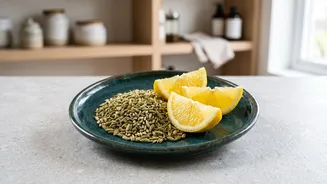
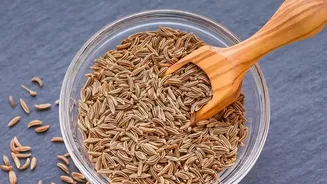
Preparing cumin water is incredibly simple. The most common method is to add one or two teaspoons of cumin seeds to a pan with about two cups of water. Bring it to a boil and then let it simmer for five to ten minutes until the water takes on a pale golden brown hue. Strain out the seeds and you can drink it warm or let it cool. Another method is to soak the seeds in a glass of water overnight and drink the infused water in the morning, which is often preferred for those who want to drink it on an empty stomach. You can add a splash of lemon juice or a pinch of cinnamon for extra flavour.