







A Global Appetite for Indian Flavours
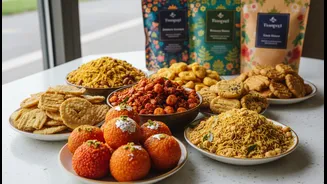
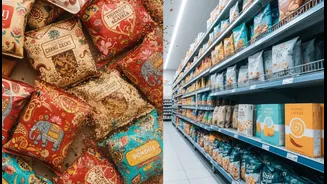
The world is snacking on India. From Haldiram's bhujia on shelves in the US to Bikaji's namkeens in Europe, Indian snack brands are no longer just a taste of home for the diaspora; they are a fast-growing global phenomenon. The global market for Indian snacks
has seen remarkable growth, with exports surging in recent years. This expansion is driven by a combination of the influential Indian diaspora and a rising curiosity from international consumers for the bold, complex flavours that define Indian cuisine. Companies like Haldiram's, which started exporting in 1993, and Bikaji, which recently invested millions to scale its US operations, are leading this charge, turning regional specialties into international delicacies.
The Adaptation Game: Toning It Down?
Entering a new market is rarely a simple copy-paste operation. The biggest hurdle is often the palate. What is perfectly spiced for a customer in Delhi might be overwhelming for someone in Denver. To succeed, brands must engage in a delicate dance of adaptation. This can mean reducing chilli heat, adjusting salt levels, or even creating entirely new fusion products that blend Indian spices with familiar international formats. The goal is to make the products accessible without losing their soul. For example, milder versions of spicy dishes are often created for those who prefer less heat. It's a strategy that acknowledges different cultural preferences, aiming to broaden appeal and welcome new customers into the fold.
The Authenticity Dilemma
For every consumer excited by a new, milder flavour, there is another who feels something essential has been lost. The word 'authenticity' is at the heart of this debate. For many first-generation immigrants, the ability to find foods that taste exactly like home is a powerful emotional connection to their heritage. When a beloved brand changes its recipe for a foreign market, it can feel like a dilution of culture. This creates a challenging situation for businesses: cater to the diaspora that built their initial international presence or pivot towards the potentially larger mainstream market? This question is further complicated by the fact that the definition of 'authentic' itself is debatable; after all, ingredients like potatoes and chillies, central to modern Indian cooking, were themselves imports centuries ago.
Beyond the Recipe: A New Definition of Authentic
Perhaps the conversation around authenticity needs to evolve. Many chefs and food historians argue that authenticity is not about a rigid, unchanging recipe but about the spirit and technique behind a dish. As Chef Sameer Taneja of the Michelin-starred Benares in London notes, it’s about a thoughtful balance, using traditional techniques and spices with locally sourced ingredients. This approach honours the roots of the cuisine while allowing for creative evolution. A brand can maintain its authenticity by staying true to its core principles of quality and flavour architecture, even if the spice level of a particular product is adjusted. The key is transparency and respect for the culinary tradition it represents.
The Power of the Diner
Ultimately, both businesses and consumers have a role to play in shaping the future of Indian food abroad. Businesses must decide how far they are willing to adapt without compromising their identity. They can achieve this by telling the story behind their food, educating new consumers about the cultural context, and offering a range of products that cater to different palates. As diners, we hold power in our choices. We can support brands that strike a thoughtful balance. We can be open to new interpretations while also championing traditional flavours. By seeking out regional specialties and asking for the stories behind our food, we encourage a richer, more diverse culinary landscape. Instead of viewing it as a battle, we can see it as a conversation between tradition and innovation.