





From 'More' to 'Minimal'
Remember the 10-step Korean skincare routine? It was a ritual of layering essences, serums, ampoules, and creams, promising a flawless, 'glass skin' finish. For a time, it was the gold standard. But for many, it was also time-consuming, confusing, and expensive.
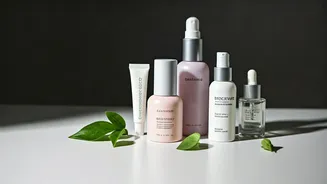
Gen Z, a generation that values authenticity and efficiency, is leading a quiet rebellion against this maximalist approach. They’re championing a new philosophy often called 'skinimalism'. Instead of a dozen products, the focus is on a curated, minimal routine—typically a cleanser, a targeted treatment, a moisturiser, and sunscreen. It's not about being lazy; it's about being smart, strategic, and saving both time and money.
The Rise of the 'Skintellectual'
This shift isn’t just about using fewer products; it's about understanding them better. Gen Z consumers are becoming 'skintellectuals'—highly informed shoppers who care more about the active ingredients inside the bottle than the brand name on the outside. They aren’t just buying a 'brightening serum'; they are specifically seeking out Vitamin C, Niacinamide, or Azelaic Acid. This fluency comes from a firehose of information on platforms like TikTok and Instagram, where dermatologists and cosmetic chemists ('skinfluencers') break down complex science into bite-sized, digestible videos. This democratization of knowledge has empowered a generation to look past marketing claims and focus on proven efficacy.
Ingredient Is King, Price Is Key
This ingredient-first mindset has paved the way for a new breed of beauty brands. Companies like The Ordinary, The Inkey List, and even pharmacy staples like CeraVe and Cetaphil have skyrocketed in popularity. Their strategy is simple: offer high-concentration, single-ingredient formulas at shockingly low prices. A potent Niacinamide serum for under ₹1000? A bottle of Hyaluronic Acid for the price of a fancy coffee? Suddenly, ingredients that were once locked away in expensive, luxury formulations are accessible to everyone. Gen Z shoppers have realised they don't need to pay for fancy packaging, celebrity endorsements, or brand prestige when they can buy the core scientific ingredient directly and affordably.
TikTok and 'Dupe' Culture
Social media is the engine driving this trend. On TikTok, a single video of a user showing dramatic before-and-after results from an affordable serum can generate millions of views and cause the product to sell out overnight. This ecosystem also thrives on 'dupe' culture—the search for cheaper alternatives to high-end products. A user might discover that a ₹600 serum from a budget brand contains the same key active ingredients as a ₹6,000 luxury cream. These discoveries are shared widely, creating a community-driven guide to savvy shopping. It’s a powerful shift from top-down marketing by legacy brands to bottom-up recommendations from trusted peers.
Navigating the New Skincare Shelf
While this trend offers incredible value and empowers consumers, it comes with a learning curve. Building a routine from single-ingredient products requires understanding which actives can and cannot be mixed. Layering Vitamin C with certain acids, for example, can cause irritation if not done correctly. The abundance of information can also lead to 'analysis paralysis' or the temptation to over-exfoliate and damage the skin barrier. The key is to start slow. Introduce one new active ingredient at a time, patch-test everything, and prioritise the basics: a gentle cleanser, a solid moisturiser, and daily sunscreen. The goal is a healthy, supported skin barrier, not a science experiment gone wrong.