

What is a 'Complete' Protein?
Think of protein as a long chain, and the individual links are called amino acids. Our bodies use 20 different amino acids to build everything from muscle tissue to hormones. Of these, nine are called 'essential amino acids' because our bodies can't make
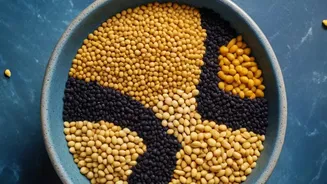
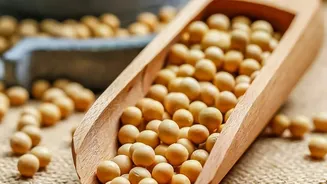
them; we must get them from food. A food source is considered a 'complete protein' when it contains all nine of these essential amino acids in adequate amounts. Animal-based foods like meat, eggs, and dairy are classic examples of complete proteins. While most single plant foods are 'incomplete', a few, like quinoa and soy, are exceptions.
The Missing Pieces in Grains and Legumes
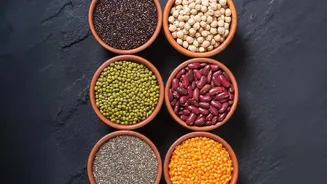
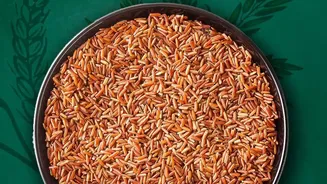
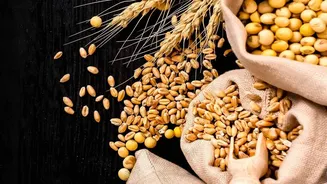
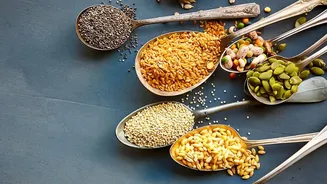
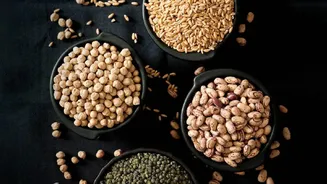
Most plant-based foods have 'limiting amino acids', meaning one or more of the nine essential building blocks is in short supply. This doesn't make them inferior, it just means they need a partner. Grains—like rice, wheat, and corn—are typically low in the essential amino acid lysine. On the other hand, legumes—a family that includes lentils (dal), beans, chickpeas, and peanuts—are generally low in methionine. Each group has what the other is missing, setting the stage for a perfect nutritional partnership.
The Power of a Perfect Pair
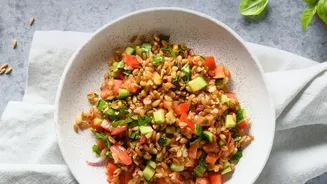
This is where the magic of food combining, or 'protein complementation', comes in. When you eat a grain and a legume together, their amino acid profiles fill in each other's gaps. The abundant lysine in the legumes makes up for the shortage in the grains, and the methionine from the grains compensates for the lack in the legumes. The result is a meal that provides your body with all nine essential amino acids, effectively creating a high-quality, complete protein from two incomplete sources. It’s a simple, powerful synergy that has been a cornerstone of diets across the globe for centuries.
Timeless Combos from India and Beyond
Chances are, you are already practicing protein complementation without even realizing it. Many of India's most beloved comfort foods are built on this principle. A simple bowl of dal served with rice is a perfect example. The same goes for eating chana masala with roti or a nourishing plate of khichdi. Other delicious global examples include hummus (chickpeas) with pita bread (wheat), a peanut butter sandwich on whole-grain bread, or the classic Latin American dish of rice and beans. These traditional meals aren't just comforting and affordable; they are nutritional powerhouses.
An Old Myth Busted: Timing Isn't Everything
It was once believed that you had to eat complementary proteins in the exact same meal for your body to use them properly. However, modern nutritional science has debunked this myth. Our bodies are smart and maintain a temporary reserve of amino acids. As long as you consume a variety of grains, legumes, nuts, and seeds throughout the day, your body can pull the necessary amino acids from this pool to build complete proteins as needed. So, if you have roti for breakfast and a bowl of dal for lunch, your body knows exactly what to do. The key is dietary variety over the course of a day, not stressing about every single meal.