


An Unprecedented Shopping Spree
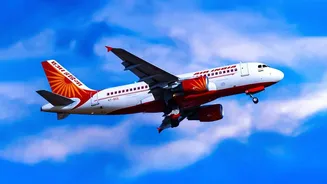
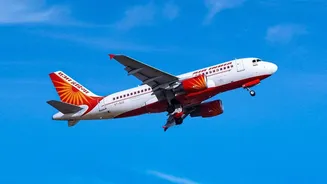
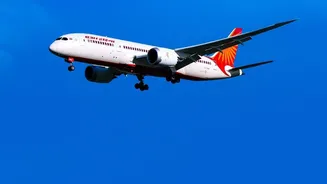
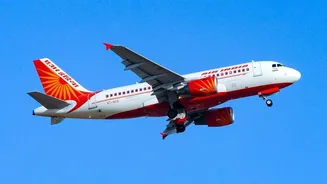
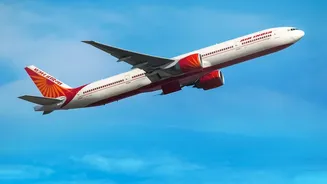
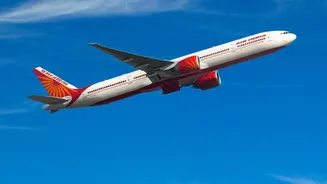
To grasp the scale of India's aviation ambitions, one must look at the order books. In 2023, Air India, under its new Tata Group ownership, placed a monumental order for 470 aircraft from Airbus and Boeing. This was followed by subsequent additions, bringing
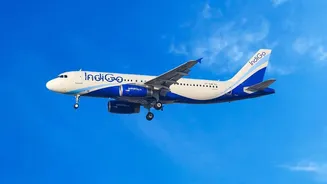
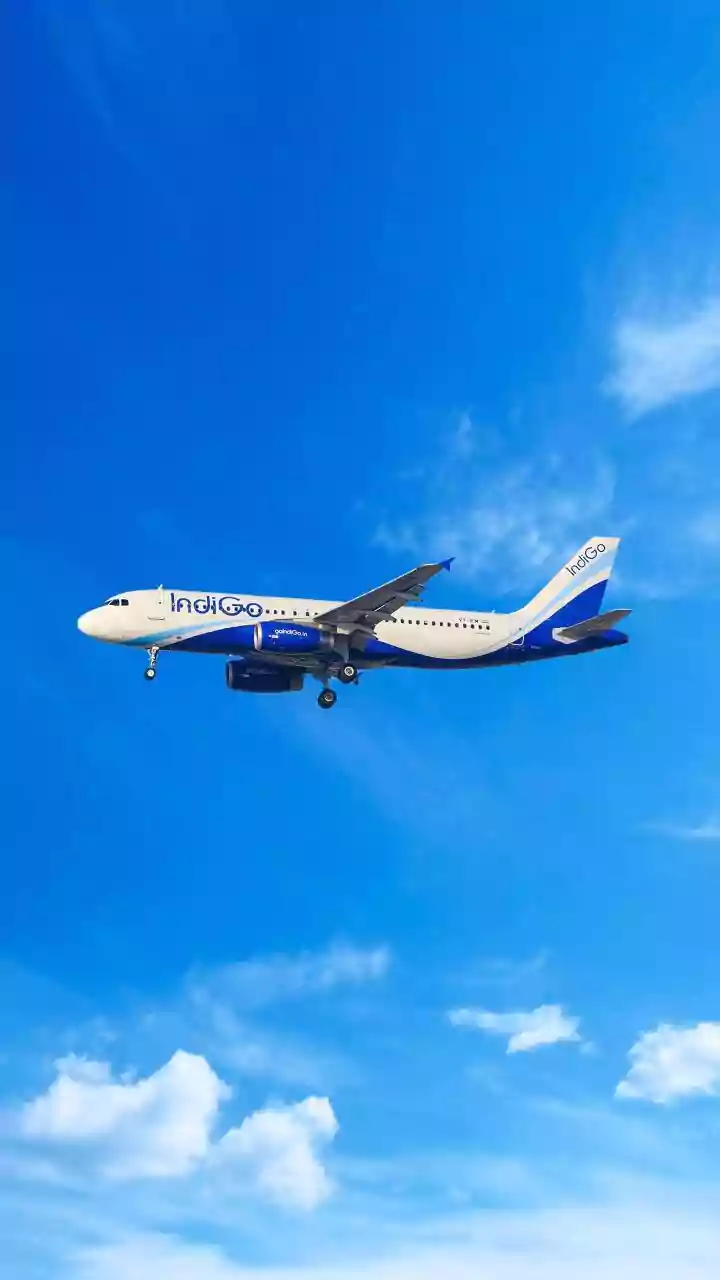
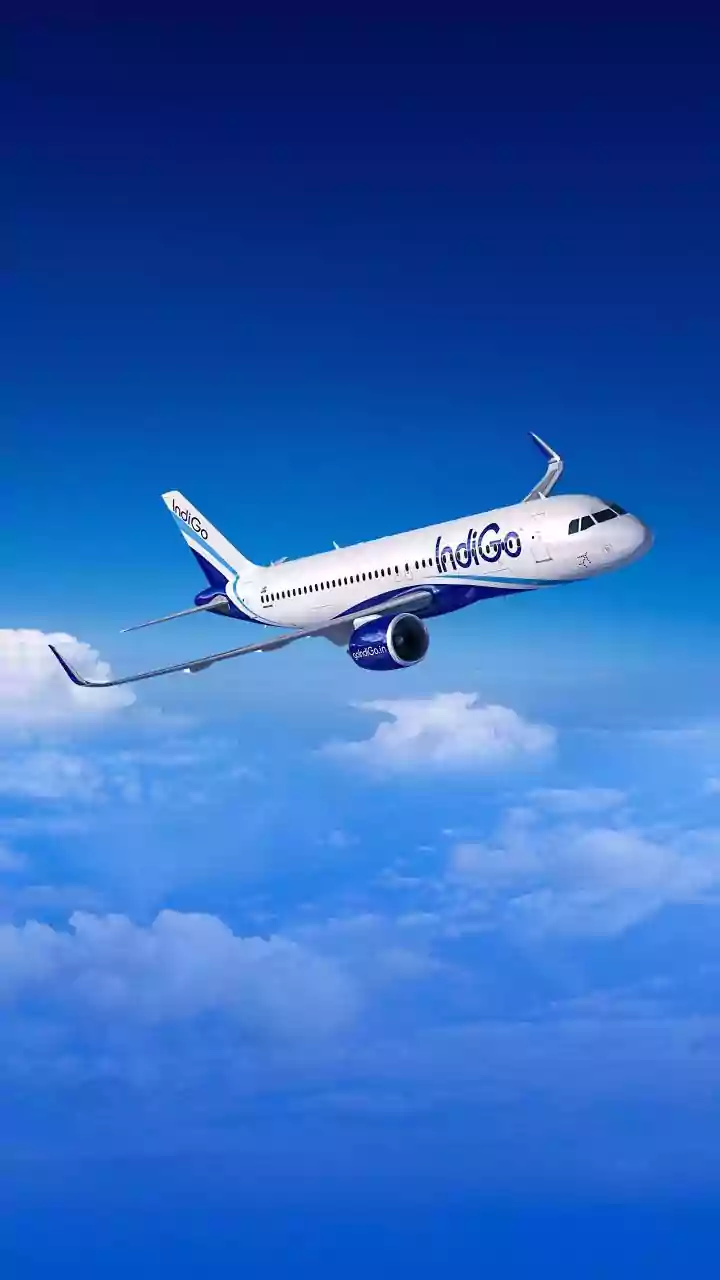
its total firm order backlog to hundreds of jets, including a mix of narrowbody A320neos and widebody A350s and Boeing 777s. Not to be outdone, market leader IndiGo placed the largest single aircraft purchase in history, a firm order for 500 Airbus A320 family aircraft. With previous commitments, IndiGo's total order book approaches a staggering 1,000 aircraft, scheduled for delivery well into the next decade. Together, these orders represent a multi-billion-dollar bet on the future of Indian air travel.
The Engine of Explosive Growth
The demand for this massive fleet expansion is rooted in India's powerful economic and demographic trends. As the world's fastest-growing major economy, India is witnessing a rapid expansion of its middle class, leading to a surge in disposable income and a growing appetite for air travel. Government initiatives like the UDAN (Ude Desh ka Aam Nagrik) scheme have been pivotal, enhancing regional connectivity by subsidising flights to unserved and underserved airports, making air travel accessible to millions more citizens. Forecasts reflect this boom, with some projections showing the Indian aviation market growing at a CAGR of over 11% and passenger traffic expected to grow six-fold to 1.1 billion by 2040. Airbus recently revised its forecast for India's domestic air traffic growth upward to 9.3% annually through 2045, outpacing China.
More Than Just Numbers: A Global Hub
Piyush Goyal's statement hints at an ambition that goes beyond simply meeting domestic demand. The government's 'Vision 2040' aims to transform India into a major global aviation hub, not just for point-to-point travel but as a transit point for international passengers. This requires a significant fleet of modern, fuel-efficient widebody aircraft capable of operating non-stop, ultra-long-haul routes to North America and Europe. The orders for Airbus A350s and Boeing 777-9s by Air India, and IndiGo's recent foray into widebody orders, are direct reflections of this strategy. To support this, a massive infrastructure push is underway, with the number of operational airports in India projected to more than double from around 160 in 2025 to over 350 by 2047.
The 'Shortfall' Explained
The paradox of a shortfall amidst record orders becomes clearer in this context. The 2,000-plus aircraft requirement mentioned by Goyal isn't just about adding new seats; it's about future-proofing the industry for decades of projected growth and replacing older, less fuel-efficient aircraft. Global supply chain constraints and manufacturing backlogs at Boeing and Airbus mean that deliveries are staggered over many years, with some scheduled as late as 2035. Goyal noted that the government is actively pursuing manufacturers for faster supplies. The 'shortfall' is therefore a capacity gap between the explosive, immediate demand for air travel and the longer-term reality of aircraft production and delivery schedules.
Hurdles Beyond the Horizon
Simply acquiring aircraft is only one part of the equation. This rapid expansion brings significant operational challenges. The industry faces a looming shortage of skilled manpower, including pilots, cabin crew, and maintenance engineers. To meet projected demand, India may need up to 34,000 pilots over the next 10-15 years. Furthermore, developing a robust domestic Maintenance, Repair, and Overhaul (MRO) ecosystem is critical to service this enormous new fleet and reduce reliance on foreign facilities. Volatile Aviation Turbine Fuel (ATF) costs also remain a persistent pressure on airline profitability. Ensuring that airport infrastructure, air traffic control, and personnel training can keep pace with fleet growth is the ultimate challenge in realizing India's aviation vision.