



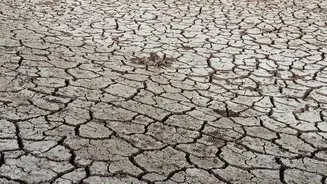
Beyond a Reaction to Drought
For years, the idea of a 'low-water garden' was primarily linked to surviving droughts or the water tanker economy of big cities. It was seen as a necessary compromise. However, a significant shift is underway. Gardeners across India are now embracing
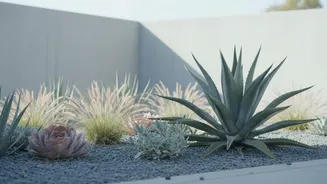
low-water planting, also known as xeriscaping, not just as a reactive measure but as a proactive and intelligent gardening philosophy. This approach recognises that India's climate is diverse and often unpredictable, from scorching summers to erratic monsoons. Instead of fighting these conditions with water-intensive lawns and delicate plants, this new mindset involves working with our environment to create gardens that are both beautiful and sustainable in the long run. It's about designing a garden that is less about constant effort and more about lasting enjoyment.
The Many Rewards of Using Less
The most obvious benefit of a low-water garden is, of course, water conservation, which can significantly reduce utility bills and lessen the strain on local resources. But the advantages go much deeper. Once established, drought-tolerant gardens require far less maintenance. This means less time spent watering, weeding, and treating pests. Many hardy, native plants are naturally resistant to local pests and diseases. Furthermore, a well-designed low-water garden improves soil health. Techniques like mulching not only conserve moisture but also enrich the soil as they decompose, creating a thriving environment for plants. This leads to a more resilient ecosystem in your own backyard, attracting pollinators like butterflies and bees that are essential for a healthy garden.
Choosing Your Resilient Champions
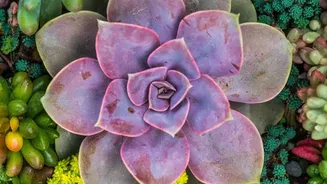
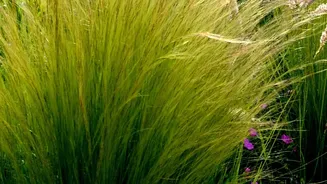
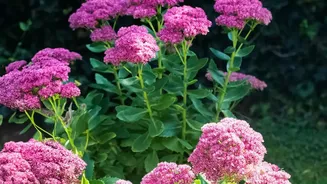
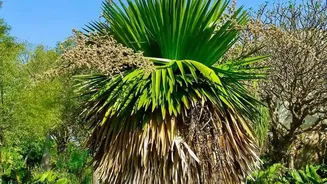
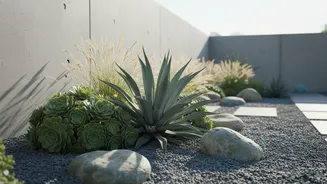
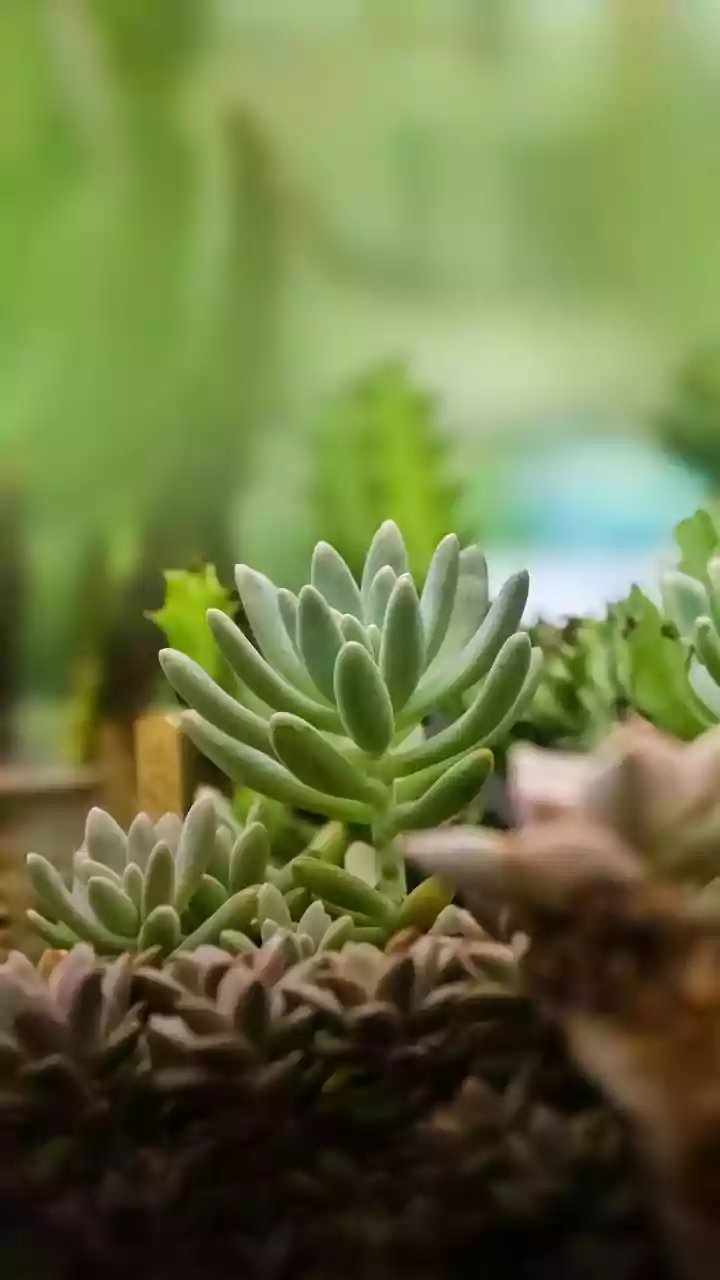
The key to a successful low-water garden is selecting the right plants. Fortunately, India has a vast palette of beautiful and hardy native species. Instead of struggling with foreign plants unsuited to the climate, you can choose from a variety of champions that thrive in Indian conditions. Iconic flowering plants like Bougainvillea, Lantana, and Oleander provide vibrant colour with minimal water once established. Succulents such as Aloe Vera and Agave offer striking textures and modern aesthetics. For fragrant herbs, consider Rosemary and Lemongrass. Even trees like the Neem and Palash (Flame of the Forest) are incredibly drought-resistant and provide shade and support local wildlife. Choosing native or well-adapted plants is the cornerstone of creating a garden that works with the climate, not against it.
Smart Techniques for a Thirsty Land
Beyond plant selection, a few smart techniques can transform your garden's efficiency. One of the most effective is mulching. Applying a layer of organic material like straw, wood chips, or dried leaves over the soil surface reduces water evaporation by up to 50%, suppresses weeds, and keeps the soil cool. Another game-changer is how you water. Instead of light, frequent sprinkling which encourages shallow roots, it's better to water deeply but less often. This encourages plants to develop deep, strong roots that can access moisture from lower in the soil. For maximum efficiency, consider installing a drip irrigation system. These systems deliver water directly to the plant's roots, eliminating wastage from runoff and evaporation and saving a tremendous amount of water over time.
Designing for Water Wisdom
A truly water-wise garden starts with good design. This doesn't require a complete overhaul; it can be done in stages. A core principle of xeriscaping is grouping plants with similar water needs together. This allows you to water efficiently, giving moisture-loving plants the attention they need without overwatering their drought-tolerant neighbours. Improving your soil is also crucial. Adding compost and other organic matter helps the soil retain more moisture, acting like a sponge that holds water for plants to use between waterings. By thinking about your garden as a complete system—from the soil up to the plants—you can create a landscape that is resilient, low-maintenance, and perfectly adapted to thrive in India's unique and challenging climate.