






As temperatures drop, we seal our homes to stay warm. While cosy, this traps pollutants indoors, making the air inside potentially two to five times more polluted than outside. Here are some simple habits to help you breathe easier all winter.
Embrace Strategic Ventilation
It might
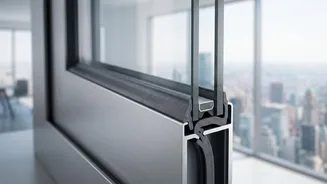
seem counterintuitive to open windows in the cold, but it's one of the most effective ways to improve air quality. You don't need to leave them open for hours. Just 5-10 minutes a day is enough to allow fresh air to circulate and dilute the concentration of indoor pollutants like dust, pet dander, and chemical fumes from cleaning products. This simple act helps flush out stale air and the buildup of airborne irritants that accumulate when a house is sealed tight against the winter chill.
Run Your Exhaust Fans
Your kitchen and bathroom are major sources of indoor pollutants and moisture. Using exhaust fans is crucial, especially in winter. Run the kitchen fan every time you cook to pull smoke and fumes outside. Similarly, use the bathroom fan during and after a shower to vent out excess humidity, which helps prevent the growth of mould and mildew. These fans are designed to move stale, contaminated air out of your home, making them a powerful tool for daily air purification.
Keep Floors and Surfaces Clean
Dust is not just dirt; it's a mix of dead skin cells, pet dander, mould spores, and dust mite droppings. Regular cleaning is a frontline defence against these allergens. Vacuum carpets and rugs frequently, and use a damp cloth or microfiber duster on hard surfaces to trap dust instead of just moving it around. This reduces the number of particles that get kicked up into the air every time someone walks through the room.
Manage Indoor Humidity
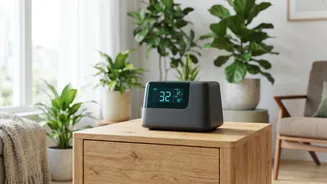
Winter air is often dry, but indoor activities like cooking and showering can create pockets of high humidity where mould and dust mites thrive. Aim to keep your home's humidity level between 30% and 50%. A dehumidifier can help remove excess moisture from the air, particularly in basements or bathrooms. Conversely, if the air is too dry, a humidifier can add necessary moisture, which can help soothe irritated airways and reduce the survival of some viruses in the air.
Check and Change Your Filters
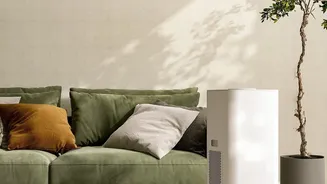
Your home's heating system filter is a key player in catching airborne particles. Check it regularly and replace it at least every 90 days, or more often if you have pets or allergies. A clogged filter can't work effectively, meaning more pollutants are left to circulate in the air you breathe. If you use portable air purifiers, ensure their filters are also clean and replaced according to the manufacturer's instructions for them to remain effective.
Rethink Your Scented Products
That pleasant smell from air fresheners, scented candles, and some cleaning products often comes from volatile organic compounds (VOCs). These chemicals can be released into the air and irritate your eyes, nose, and throat. In a sealed winter home, their concentration can build up. Consider reducing the use of these products or switching to natural alternatives. Diffusing essential oils in moderation or simply keeping your home clean can provide a fresh scent without the added chemicals.
Add Some Houseplants
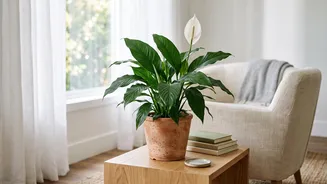
While you'd need a jungle to completely purify a room, houseplants can contribute to a healthier indoor environment. Studies, including early research by NASA, have shown that common houseplants can absorb certain toxins from the air, like formaldehyde and benzene, which are found in many household items. Beyond their limited air-purifying qualities, plants also add a touch of nature and can help regulate humidity through transpiration. Just be sure not to overwater them, as damp soil can encourage mould.