





What Exactly is Redevelopment?
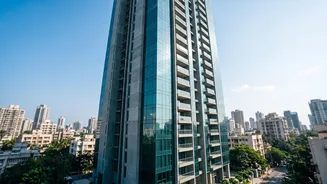
Redevelopment is the process of demolishing old, often dilapidated buildings and constructing new, modern residential towers on the same plot of land. In land-scarce Mumbai, this has become an essential solution for urban renewal. For decades, the city
has grappled with ageing housing stock, with thousands of buildings needing urgent replacement. Developers enter agreements with existing housing societies to rebuild their homes, and in the process, they get to build and sell additional apartments to new buyers. This model unlocks new housing inventory in the city's most established and desirable neighbourhoods.
The Big Appeal: Location and Modern Living
The single biggest advantage for a homebuyer is getting a brand-new home in a prime, established location. Unlike new projects in peripheral suburbs that can take years to develop basic infrastructure, redeveloped properties are situated in neighbourhoods that already have schools, hospitals, markets, and transport links. Buyers get the best of both worlds: the charm and convenience of an old-world address with the benefits of modern construction. New buildings comply with the latest safety codes, offer earthquake-resistant structures, and feature amenities like proper parking, fitness centres, and better security, which are often missing in older constructions. The homes themselves are designed with contemporary needs in mind, featuring better space planning and more natural light.
A Market Shift: More Options for Buyers
This isn't a minor trend; it's a market-defining shift. According to a recent JLL-NAREDCO report, housing sales from redevelopment projects have, for the first time, overtaken new project launches. The share of redevelopment in total housing sales has jumped to 15% in 2025 and the first half of 2026, up from just 6% between 2016 and 2021. This surge, driven by government policies favouring larger 'cluster redevelopments' and the sheer necessity of replacing ageing stock, means more options are available for buyers than ever before. Areas like Borivali, Andheri, Goregaon, and Vikhroli are hotspots for this activity.
Navigating the Risks: Delays and Due Diligence
While attractive, buying into a redeveloped property carries unique risks. Project delays are a significant concern, often caused by issues with approvals, funding, or internal disputes within the original housing society. A developer's financial strength and track record become paramount. Choosing a builder with a history of failing to deliver on promises can leave a buyer waiting years beyond the possession date. There have been cases where buyers are deceived or left waiting indefinitely for their homes. This makes thorough verification before investing absolutely non-negotiable.
Your Essential Checklist Before Buying
To protect your investment, a detailed due diligence process is critical. First, verify the developer's track record, especially their experience with similar redevelopment projects. Ensure the project is registered with the Maharashtra Real Estate Regulatory Authority (RERA), which provides transparency on timelines and project details. A lawyer should vet the chain of legal documents, including the title deed, redevelopment agreement between the society and builder, and all municipal approvals like the Commencement Certificate (CC) and sanctioned plans. Also, confirm which banks have approved the project for home loans, as this is often a sign of their own due diligence.