


A Celestial Double Feature
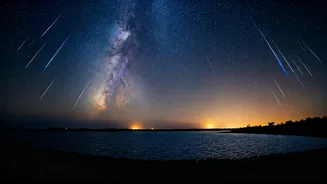
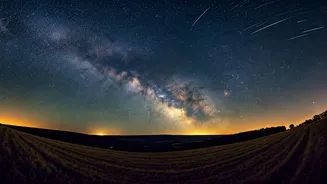
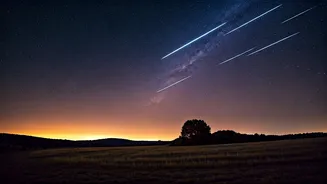
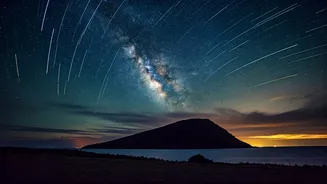
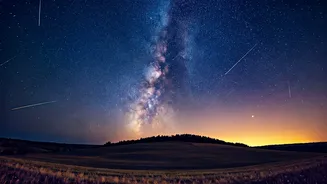
As July 2026 wraps up, skywatchers are in for a special event. Two meteor showers, the Southern Delta Aquariids and the Alpha Capricornids, are set to peak simultaneously on the night of July 29-30. This means you have the chance to see two different
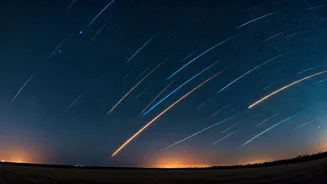
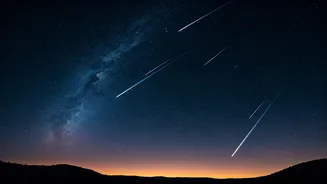
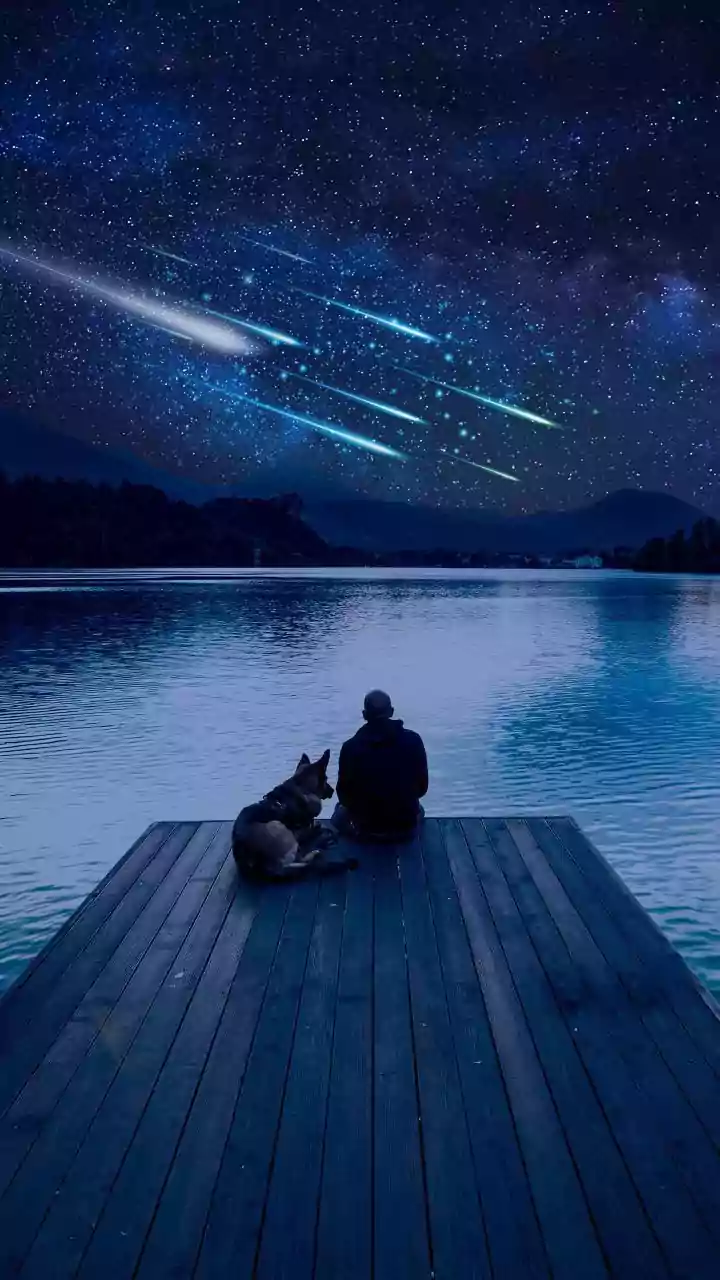
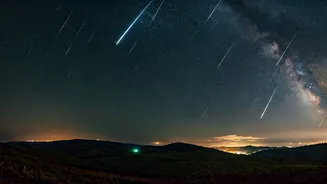
streams of celestial debris burn up in our atmosphere on the same night. The Southern Delta Aquariids are known for producing a steady, albeit modest, stream of about 15 to 20 faint meteors per hour under ideal conditions. The Alpha Capricornids are less frequent, with only about five meteors per hour, but they are famous for producing slow, incredibly bright fireballs that can light up the entire sky. Seeing one of these is a truly memorable experience. The combination of the two showers offers a wonderful opportunity to witness different types of meteors in a single viewing session.
Managing the Moonlight
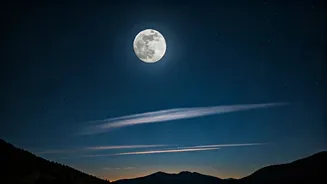
There is one significant challenge for this year's late-July showers: the moon. A nearly full moon will be present on the peak night of July 29, which means its bright glare will wash out many of the fainter meteors. However, this doesn't mean the show is a complete write-off. The bright fireballs of the Alpha Capricornids are often strong enough to punch through the moonlight. For the best chance of seeing more meteors, you can try viewing in the pre-dawn hours between 1:30 a.m. and 4:30 a.m. IST on July 30 and 31, when the shower's radiant point is highest in the sky. Another strategy is to watch in the week leading up to the peak, from July 21 to July 26, when the sky will be darker after midnight. If you want a truly spectacular show with no moonlight interference, mark your calendar for the Perseid meteor shower, which peaks in perfect, dark-sky conditions on August 12-13, 2026.
Finding the Perfect Viewing Spot
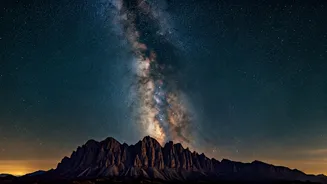
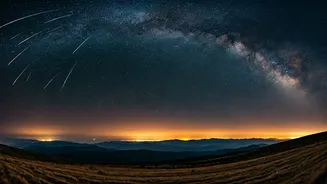
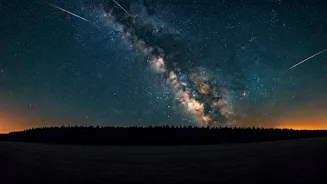
The single most important factor for good meteor watching is getting away from city lights. Urban and suburban light pollution can reduce the number of visible meteors from dozens to just a handful. To truly experience the shower, find a location with a clear, dark sky. This could mean driving to the outskirts of your city, a nearby village, or a designated dark-sky spot. Places like Ladakh, Spiti Valley, and the Rann of Kutch are legendary for their pristine night skies. For those in other parts of the country, spots like Coorg in Karnataka, Jaisalmer in Rajasthan, or national parks in Central India like Pench and Kanha offer fantastic stargazing opportunities. The goal is to find a wide-open area where your view of the horizon is unobstructed and local light sources are minimal.
What to Bring for a Night of Stargazing
The best part about watching a meteor shower is that you don't need any special equipment like a telescope or binoculars. In fact, these instruments limit your field of view, making it harder to spot the fast-moving meteors. Your naked eyes are the best tool for the job. Your main focus should be comfort. Bring a reclining chair, a blanket, or a yoga mat to lie on, so you can look straight up without straining your neck. Pack warm clothing, as even summer nights can get chilly, especially at higher altitudes. Snacks and a warm drink can make the experience more enjoyable. One pro-tip is to use a red-light torch instead of a regular white flashlight; red light doesn't spoil your night vision, which takes about 20 to 30 minutes to fully adapt to the darkness.
The Science Behind the Spectacle
So, what are you actually seeing? Those beautiful streaks of light are not 'falling stars'. They are tiny bits of space debris, often no bigger than a grain of sand, left behind by comets or asteroids. The Southern Delta Aquariids originate from Comet 96P/Machholz, while the Alpha Capricornids come from Comet 169P/NEAT. When the Earth passes through these debris trails in its orbit around the sun, the particles enter our atmosphere at tremendous speeds—around 41 km per second for the Delta Aquariids—and burn up due to friction, creating the glowing trails we call meteors. By taking the time to watch a meteor shower, you are engaging in a direct observation of our solar system's history, connecting with the cosmic dust trails of ancient celestial bodies.