





The Power of a Focused Reset
The goal of a weekly kitchen reset isn't to scrub every surface until it shines, but to streamline your resources for the week ahead. By concentrating on open packages and available storage, you tackle the two biggest sources of kitchen clutter and food
waste. This targeted approach prevents half-used bags of lentils from being forgotten in the back of the pantry and stops you from buying a new jar of mustard when three are already open in the fridge door. It’s a proactive strategy that transforms your kitchen from a zone of reactive cleaning to one of intentional management. This small investment of time pays huge dividends in saved money, reduced waste, and a calmer cooking environment.
Conduct Your 'Open Package' Audit
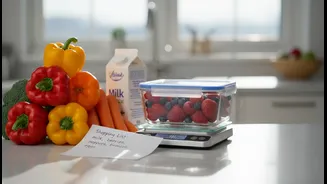
Your first task is to play detective with your own pantry, fridge, and freezer. Once a week, gather every open package you can find. This includes bags of snacks, boxes of pasta, containers of grains, jars of sauces, and cartons of broth. Group similar items together on your counter. This visual inventory is often shocking and immediately revealing. You’ll see exactly what needs to be used up. From there, you can build a meal plan around these ingredients. That collection of leftover vegetables can become a frittata or a stir-fry. Half a bag of rice can be the base for fried rice. This audit turns potential waste into dinner, clearing out clutter and ensuring you get value from everything you buy.
Master Your Storage Space
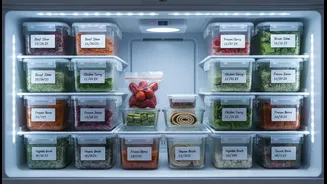
Once you know what you have, the next step is managing your storage. An overstuffed fridge or pantry is just as dysfunctional as an empty one. Before you put everything back, take a moment to assess your space. Are shelves crammed so tightly you can't see what's in the back? A simple but effective system is 'First In, First Out' (FIFO), a method used by restaurants and grocery stores. When you buy a new item, place it behind the older one you already have. This simple rotation ensures older products get used first. Also, consider creating a designated 'Use First' bin or shelf in your fridge. This becomes the go-to spot for leftovers or items approaching their expiration date, making it easy for anyone in the household to grab a snack that needs eating.
Group Like with Like for Clarity
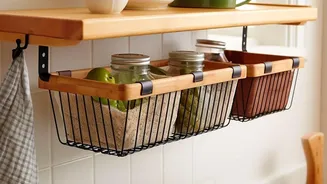
Organizing your pantry and fridge by category is a game-changer for maintaining order long-term. Instead of randomly placing items wherever they fit, create dedicated zones. Keep all your baking supplies in one area, oils and vinegars together, and breakfast items on a single shelf. You can use baskets or clear containers to group loose items like snack bars or sauce packets, preventing them from getting lost. This doesn't require a fancy labelling system, just a consistent logic. When everything has a home, you’re less likely to create clutter. You can see at a glance if you’re running low on pasta or if you have an abundance of canned beans, which makes grocery shopping more efficient and prevents accidental over-buying.
Turn the Reset into a Lasting Habit
This weekly reset is more than just a tidying exercise; it’s a tool for building smarter consumer habits. By consistently checking your inventory, you become intimately aware of what your household actually consumes. You'll start noticing that you never finish a large bag of quinoa or that you always have leftover buttermilk. This knowledge empowers you to adjust your shopping list, buying smaller quantities or skipping certain items altogether. The process of taking stock before you shop prevents impulsive purchases and ensures that what you bring into your home has a purpose. The 30 minutes you spend on your kitchen reset each week saves you time and stress on every subsequent grocery run and meal preparation.