



What 'Poor' Air Quality Means
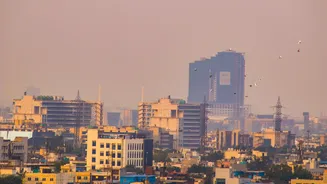
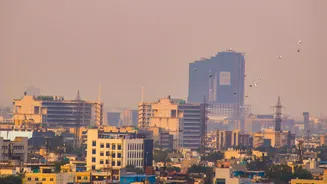
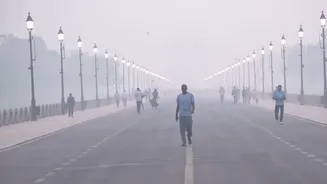
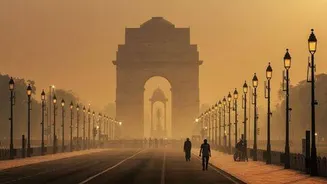
An Air Quality Index (AQI) between 201 and 300 is classified as 'poor'. At this level, the air can cause breathing discomfort to most people upon prolonged exposure. For those with existing heart or lung conditions, the elderly, and children, the effects
can be more pronounced and serious. The primary pollutant of concern is PM2.5—fine particulate matter that can penetrate deep into the lungs and enter the bloodstream. An AQI of 200 corresponds to a PM2.5 concentration that poses a significant health risk, moving beyond affecting only sensitive groups to impacting the general public.
The Triggers: A Familiar Cocktail
This year's first 'poor' air day is the result of a combination of factors. Local sources like vehicular emissions and road dust are major contributors, with the transport sector alone accounting for over 20% of pollution on some days. This is compounded by changing weather patterns. As temperatures drop post-monsoon, cooler, denser air traps pollutants closer to the ground, a phenomenon known as temperature inversion. Slower wind speeds prevent these pollutants from dispersing. Adding to this mix is the start of stubble burning in neighbouring states like Punjab and Haryana, with its contribution to Delhi's PM2.5 levels expected to increase.
Official Response: GRAP Stage 1 Activated
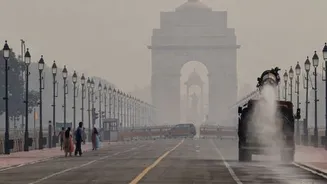
With the AQI consistently in the 'poor' category, the Commission for Air Quality Management (CAQM) has immediately invoked Stage 1 of the Graded Response Action Plan (GRAP) across the National Capital Region. This is a set of emergency measures designed to prevent the air quality from deteriorating further. Under Stage 1, several actions are enforced, including a ban on the use of coal and firewood in tandoors at eateries and restrictions on the use of diesel generator sets for non-essential activities. Authorities will also intensify dust control measures at construction sites and crack down on open waste burning.
What This Means for Residents
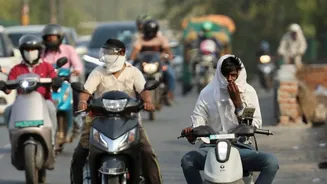
The implementation of GRAP signifies an official acknowledgement of the pollution crisis. For residents, it's a critical signal to start taking precautions. Health experts advise vulnerable individuals to avoid prolonged or heavy outdoor exertion. Even healthy people are recommended to reduce time spent outdoors, especially during early morning and evening hours when pollution levels are often at their highest. Using N95 masks when outside is advisable. At home, keeping windows closed and using air purifiers can help reduce indoor air pollution. The government has also urged citizens to minimize vehicle use by opting for public transport or carpooling.
A Preview of the Winter to Come
This first 'poor' AQI reading is a clear warning. Historically, Delhi's air quality worsens progressively from October through December, often entering 'Very Poor' and 'Severe' categories as temperatures drop and stubble burning peaks. While this year's first 'poor' day occurred around the same time as last year, the early implementation of GRAP is a proactive step. However, the effectiveness of these measures will depend on strict enforcement and the collective actions of citizens. This reading serves as a reminder that the most challenging weeks of the pollution season are still ahead, making vigilance and preparedness essential for all.