







More Than Just a Trend
For generations, Indian homes have been repositories of memories, colour, and possessions. The aesthetic was often maximalist, a vibrant tapestry of heirlooms, religious artefacts, and decorative items. But in the bustling, space-crunched realities of modern
Indian cities, a significant shift is underway. A growing number of urban dwellers, particularly millennials and Gen Z, are trading clutter for calm, embracing minimalism not just as a design choice, but as a lifestyle philosophy. This isn't about stark, empty rooms; it's a reaction to the overload of city life and a desire for more intentional, manageable living spaces.
The Practical Pull of Simplicity
The primary driver of this trend is practicality. As apartment sizes in metropolitan areas shrink, every square foot becomes precious. Minimalism offers a direct solution, making small spaces feel larger, brighter, and more organised. The philosophy of ‘less is more’ translates into multi-functional furniture, such as sofa-cum-beds or dining tables that double as workspaces. Heavy, elaborately carved wooden furniture is being replaced with streamlined pieces with clean lines, often raised on legs to create an illusion of openness. Smart storage is key, with an emphasis on built-in wardrobes, hidden cabinets, and vertical shelving to keep daily clutter out of sight.
An Indian Twist on a Global Idea
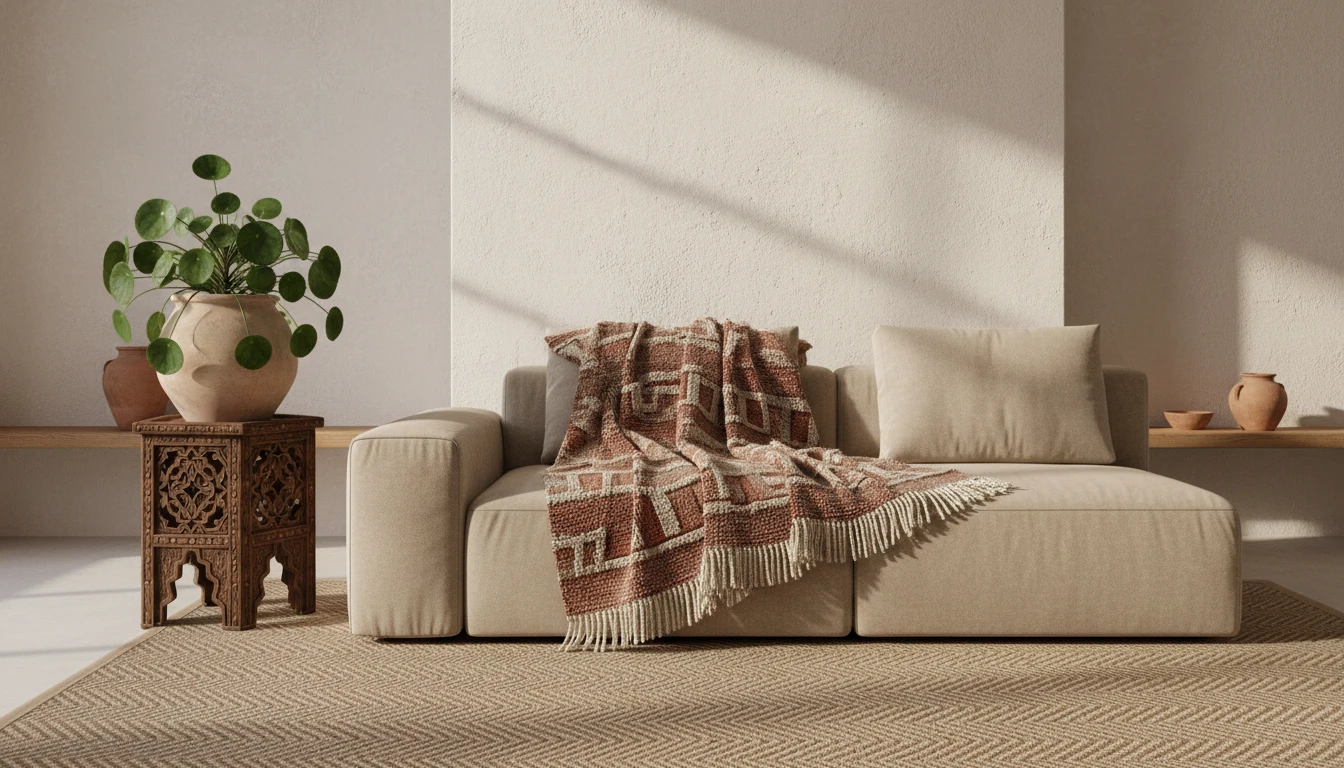
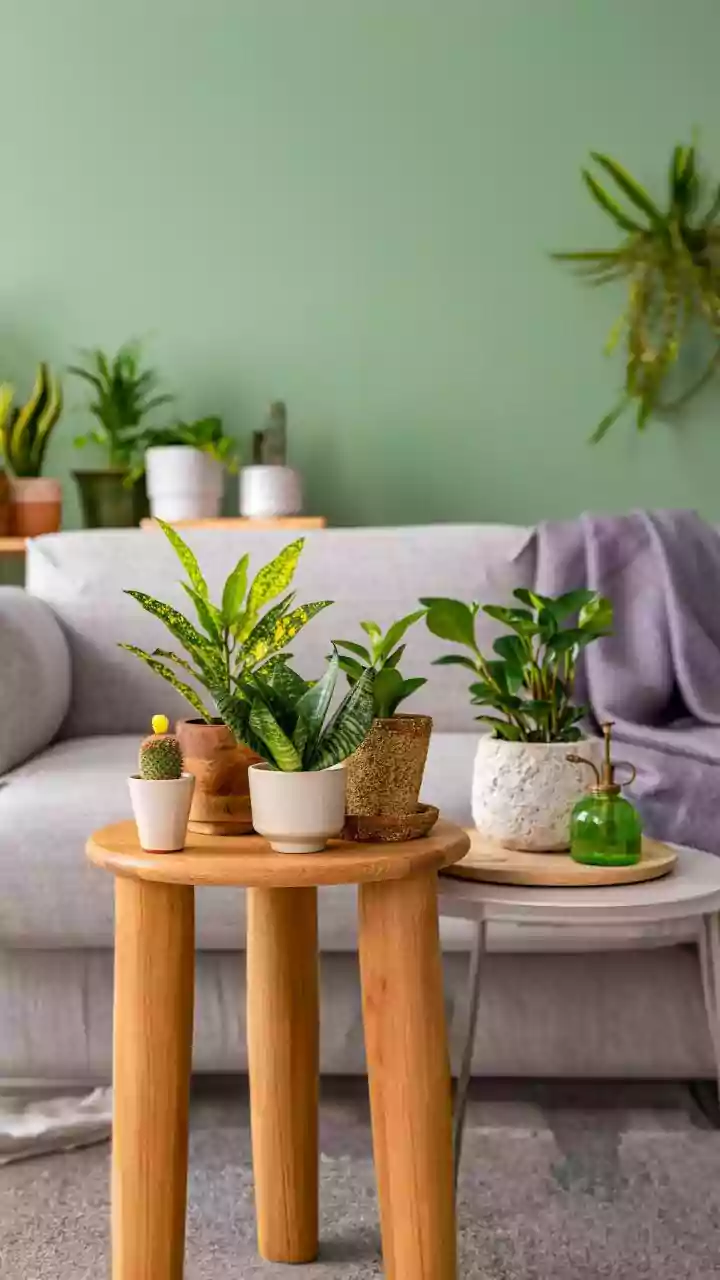
This isn't a simple copy-paste of Scandinavian or Japanese minimalism. Indian minimalism is a unique blend that retains cultural warmth and character. Instead of cold, all-white palettes, designers use a base of warm neutrals like beige, greige, and soft greys, accented with earthy tones like terracotta or sage green. Colour, a non-negotiable in Indian design, is used mindfully as a focal point, perhaps on a single accent wall or through vibrant textiles. This approach also champions local and natural materials. Teak and cane furniture, hand-spun fabrics like khadi, woven jute rugs, and brass accents add texture and a sense of place, grounding the minimalist aesthetic in Indian heritage.
A New Definition of Luxury
Beyond aesthetics, the minimalist wave reflects a deeper cultural recalibration, particularly among younger generations. There is a growing prioritisation of experiences over possessions and a rising awareness of sustainability. This mindset encourages mindful consumption—investing in fewer, higher-quality pieces rather than accumulating trendy, disposable items. Decluttering, popularised globally, is adapted with an Indian sensibility; it's less about ruthless purging and more about curating what is truly meaningful, making space for cherished family photographs or a single, significant piece of traditional art. This new approach views simplicity itself as a form of luxury, where a calm, organised home contributes more to well-being than a house full of status symbols.