





A New Home After a Century
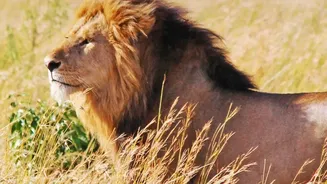
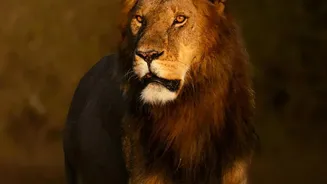
The Gir forest has long been the sole natural home for the world's last remaining Asiatic lions. But now, about 100 kilometres away, the Barda Wildlife Sanctuary is emerging as a vital second stronghold. This development began in January 2023, when a lone
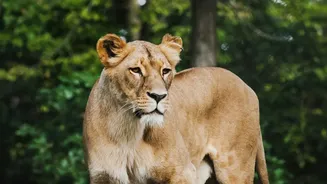
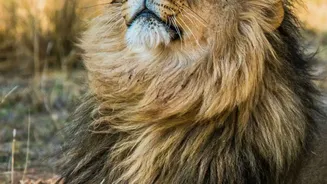
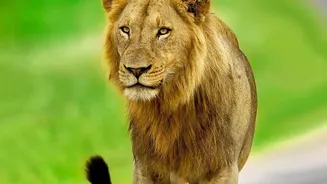
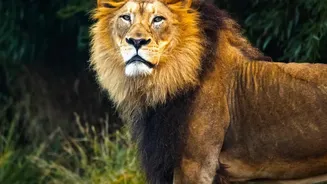
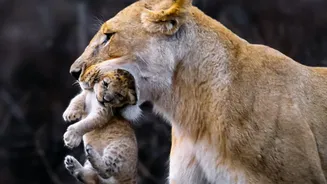
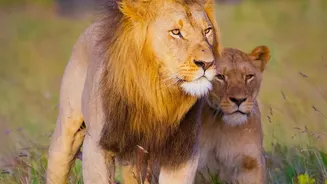
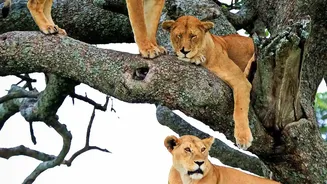
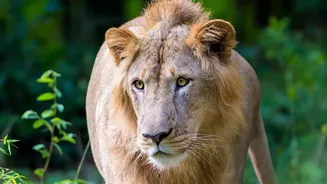
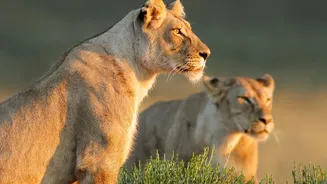
male lion naturally migrated from the Gir landscape to Barda. Following this pioneering move, the Gujarat Forest Department introduced five females to help establish a new population. As of late 2026, the sanctuary is home to a budding population of 17 lions, including six adults and eleven cubs, marking a momentous return for a species absent from the area since 1879.
Why a Second Home is Critical
The success of lion conservation in Gir has led to a welcome problem: overcrowding. The 2020 census counted 674 lions in Gujarat, a number that has since grown, spread across 30,000 square kilometres. Confining a species to a single location, however, leaves it vulnerable to extinction from disease outbreaks, like canine distemper, or natural disasters. Experts have long advocated for establishing a second, geographically separate population to mitigate these risks. The Barda Wildlife Sanctuary, identified as a potential site decades ago, is now fulfilling that role as part of the central government's 'Project Lion', which aims to secure the future of this iconic species.
Intensive Monitoring Underway
The establishment of lions in Barda is not being left to chance. Forest officials are engaged in intensive monitoring to ensure the animals adapt and thrive. A team of eight full-time trackers monitors the lions' health and movements daily. To understand their behaviour, researchers radio-collared six lions—the founding male and five females. Between January 2023 and July 2025, these collars generated over 169,000 GPS locations, providing invaluable data on their home ranges, habitat preferences, and social structures. This scientific approach helps conservationists manage the sanctuary proactively, from preventing human-wildlife conflict to ensuring the habitat can sustain them long-term.
Preparing Barda for its Kings
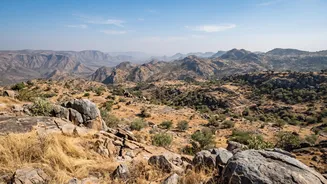
Making Barda a suitable home required years of preparation. The sanctuary, covering 192.31 square kilometres, shares a similar rugged, dry deciduous forest landscape with Gir. A critical step has been to increase the availability of food. The forest department has been augmenting the prey base by translocating hundreds of spotted deer (chital) and sambar into the sanctuary. Studies show the lions have adapted their diet, with wild pigs currently forming a major part of their food source, supplemented by nilgai and, occasionally, domestic cattle. These efforts are crucial to ensuring the lions have enough wild prey, reducing potential conflicts with local pastoral communities.
The Road Ahead: Challenges and Hopes
While the return of lions to Barda is a conservation victory, challenges remain. The current prey base is still considered low, and officials must continue their efforts to build a robust population of wild herbivores. Furthermore, ensuring peaceful coexistence between the growing lion population and the Maldhari, Gadhvi, and Rabari communities living around the sanctuary is paramount. The success in Barda will ultimately depend on continued scientific management, habitat protection, and community cooperation. Early studies are promising, suggesting that Barda has the potential to support a long-term, viable lion population, securing another chapter in the remarkable comeback story of the Asiatic lion.