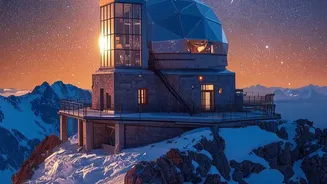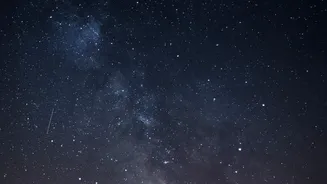



Get Ready for Stargazing
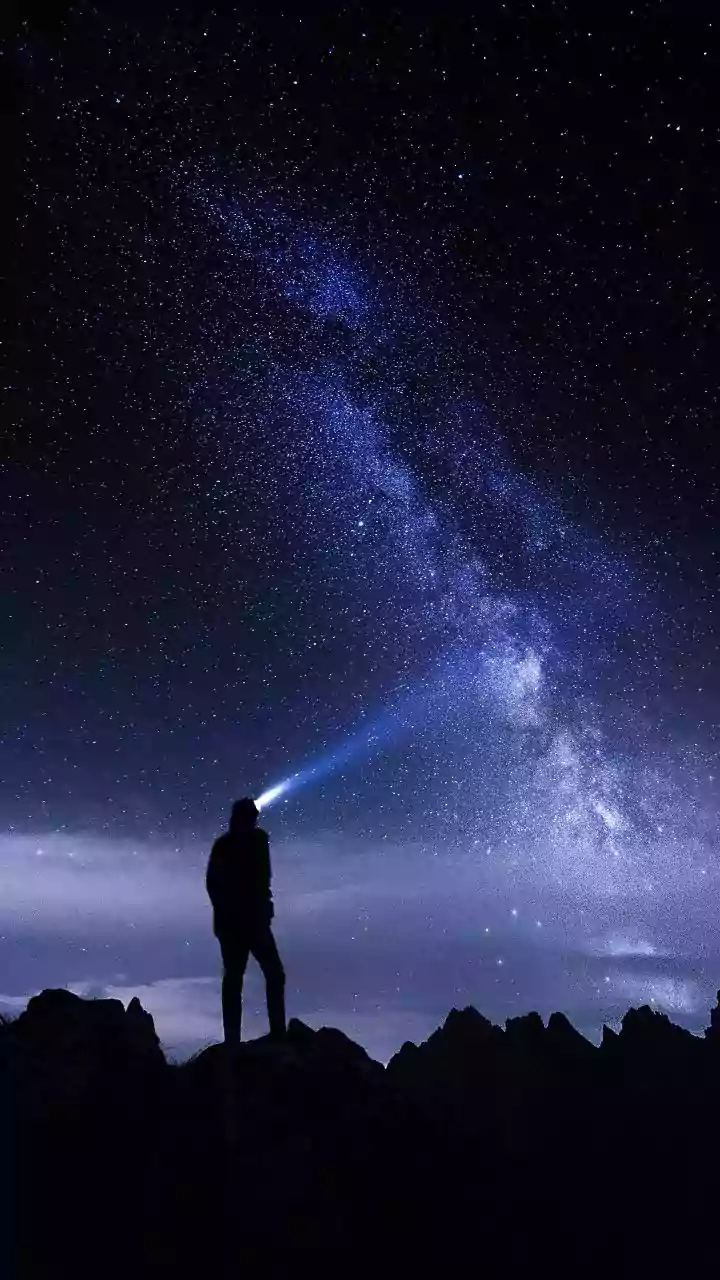
Enjoying the night sky is simple. The most important step is to get away from city lights, which can wash out all but the brightest objects. Find a park, a rooftop, or drive a short distance away from urban centres for the best views. Allow your eyes
about 20-30 minutes to fully adjust to the darkness; you'll be amazed at how many more stars appear. While no equipment is necessary, a pair of binoculars can enhance the view of planets and star clusters. Several smartphone apps can also help you identify stars and constellations in real-time.
Saturn Shines All Night Long
October is a banner month for viewing Saturn. The ringed planet reached opposition on October 4, meaning it is at its closest and brightest for the year. It rises in the east around sunset and remains visible throughout the night, appearing as a bright, steady, yellowish point of light. On October 4, Saturn rose in India around 6:11 p.m. and was visible all night. While its famous rings require a telescope, its golden glow is a beautiful sight for the naked eye. Look for it in the constellation Pisces.
Draconid Meteor Shower: An Evening Show
The first of two meteor showers this month, the Draconids, is unusual because it's best viewed in the evening, just after nightfall, rather than in the pre-dawn hours. Peaking on the night of October 8-9, this shower is typically modest, producing around 5 to 10 faint meteors per hour. However, viewing conditions in 2026 are excellent because the peak coincides with a nearly new moon, making for dark skies. The meteors appear to radiate from the constellation Draco the Dragon in the northern sky.
Orionid Meteor Shower: A Gift from Halley's Comet
The more famous Orionid meteor shower peaks on the night of October 21-22. These meteors are fragments of dust left behind by the famous Halley's Comet. Known for being fast and bright, the Orionids can produce up to 20 shooting stars per hour under perfect conditions. The best time to watch will be in the hours after midnight, especially after the bright moon sets around 3 a.m. local time. Look for meteors streaking from the direction of the constellation Orion the Hunter, which will be rising in the east.
The Hunter's Moon Rises
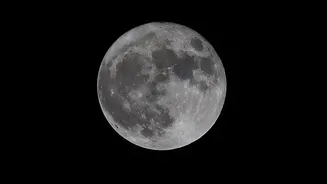
October's full moon, known as the Hunter's Moon, will occur on October 26. This full moon follows the Harvest Moon and is named for the time when hunting would traditionally begin for the winter. Look for it to rise in the east around sunset on the evenings of October 25 and 26. As it climbs above the horizon, it may appear large and golden-orange, an effect of our atmosphere. This offers a stunning photo opportunity and a beautiful sight for an evening stroll.
Constellations to Find This Month
The autumn sky is filled with stories. The great square of the constellation Pegasus is a prominent feature high in the sky. From there, you can trace your way to the nearby 'W' shape of Cassiopeia. As the night progresses, one of the most recognisable constellations, Orion the Hunter, will begin its climb in the eastern sky, becoming a familiar sight for the upcoming winter months. These patterns have been watched for thousands of years and are a rewarding sight to identify without any special equipment.